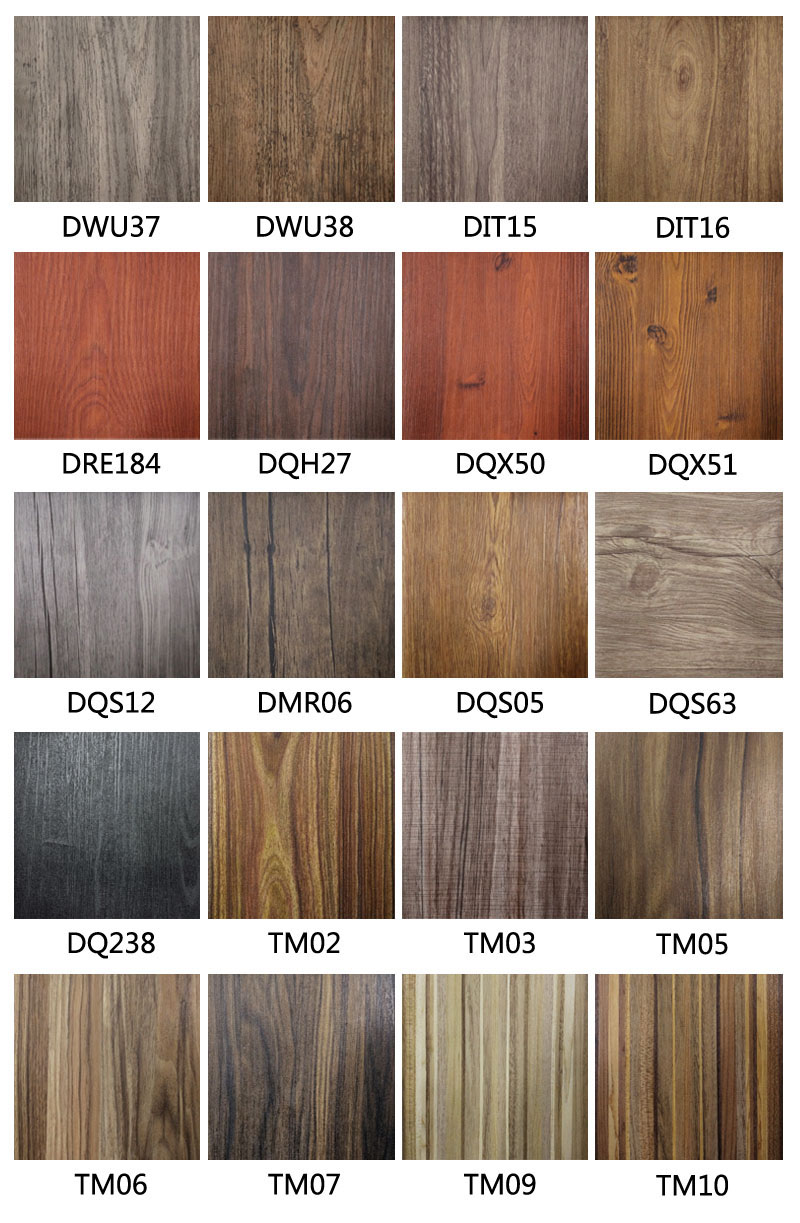
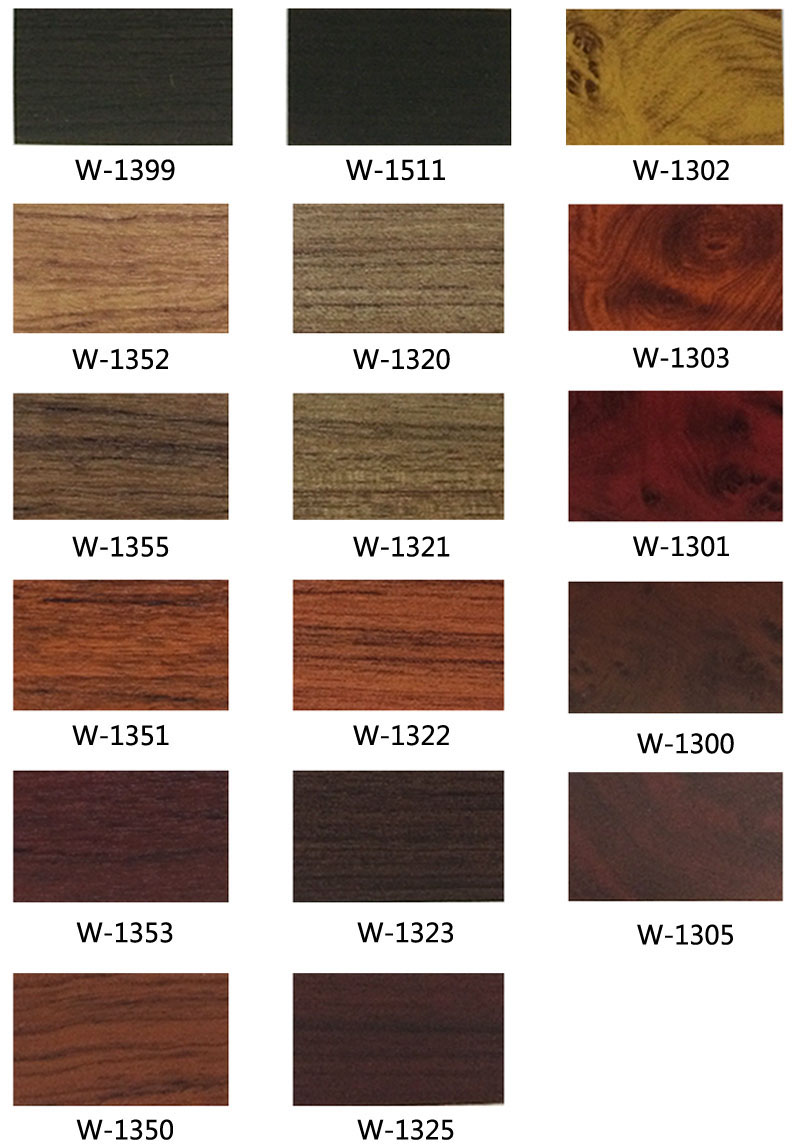
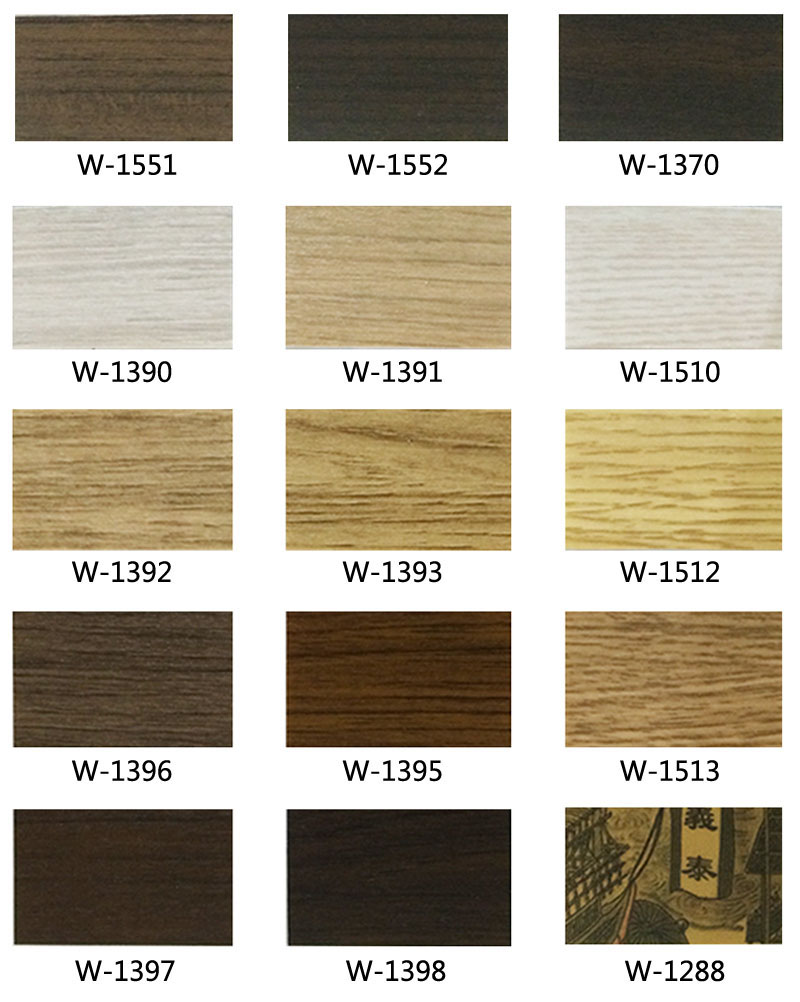
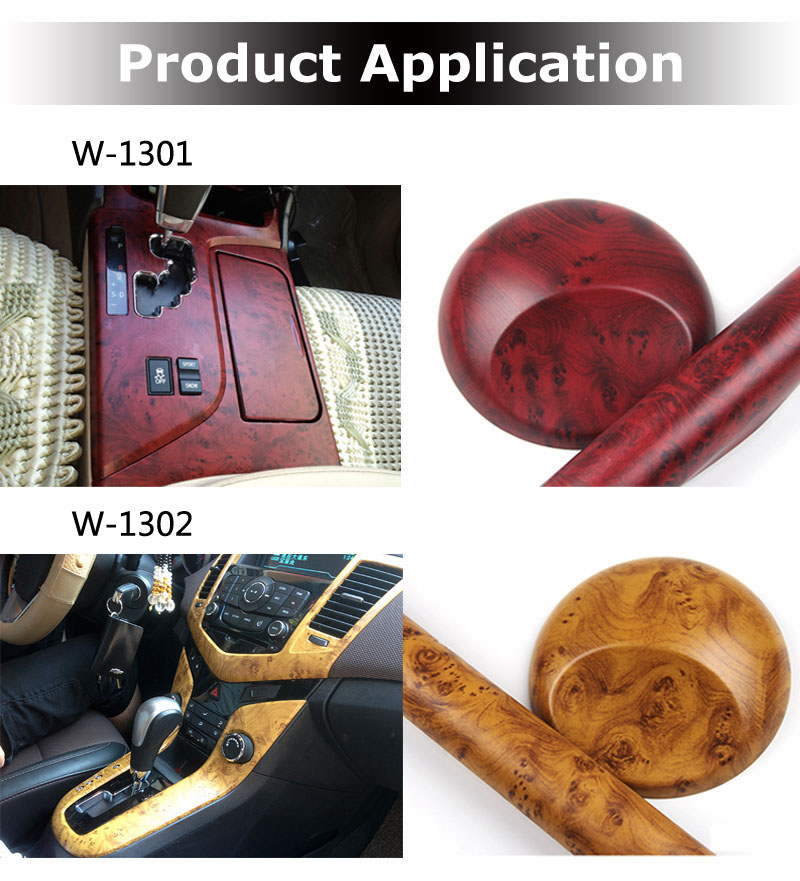
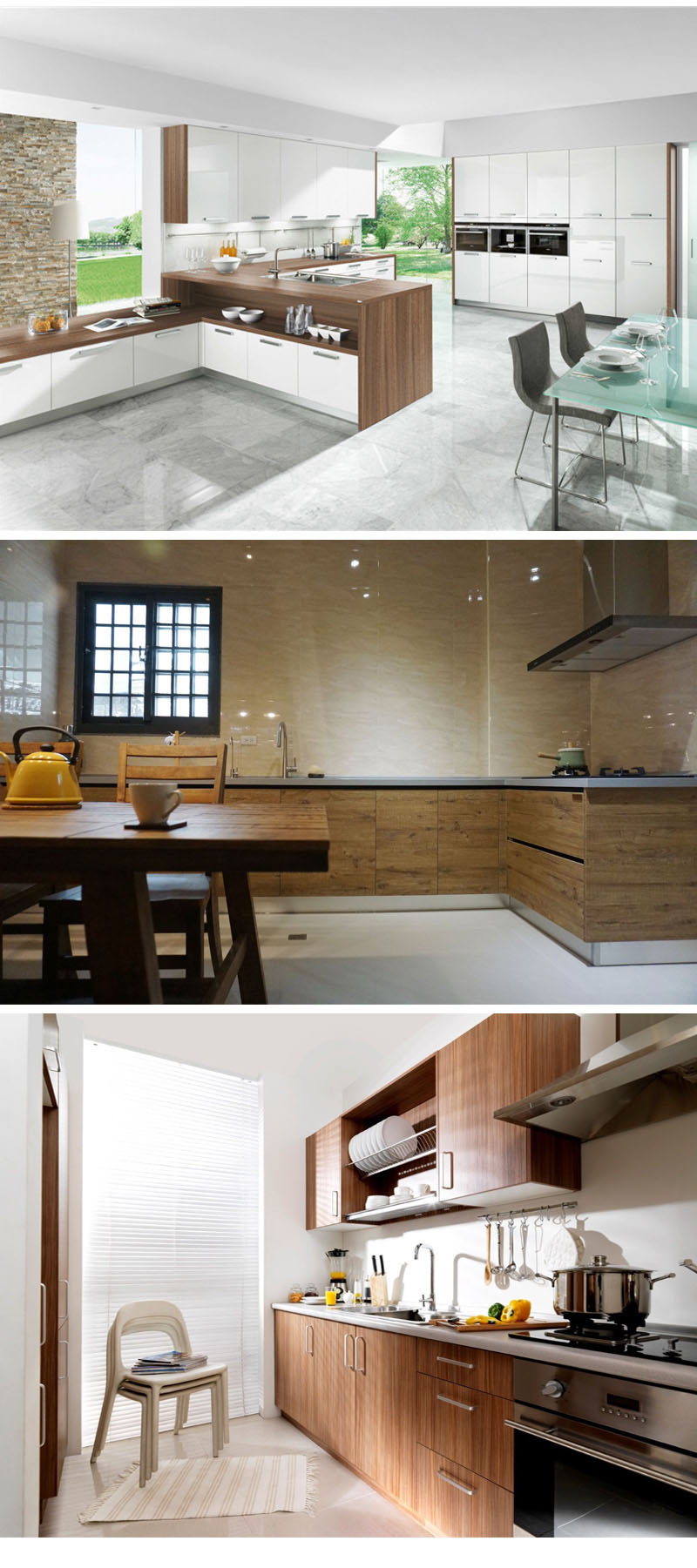
When I started exploring different ways to elevate furniture design without overspending, wooden film quickly became one of my favorite solutions. I love how it gives furniture a warm, natural look while offering practical benefits that natural wood sometimes struggles with. In this post, I’ll walk you through what wooden film is and why so many designers prefer it. I’ll share the biggest advantages I’ve seen in real projects, from durability to cost savings. I’ll also break down the different types of wooden film finishes and show you how each one brings its own style to a space.
1. What Wooden Film Is and Why Furniture Designers Love It
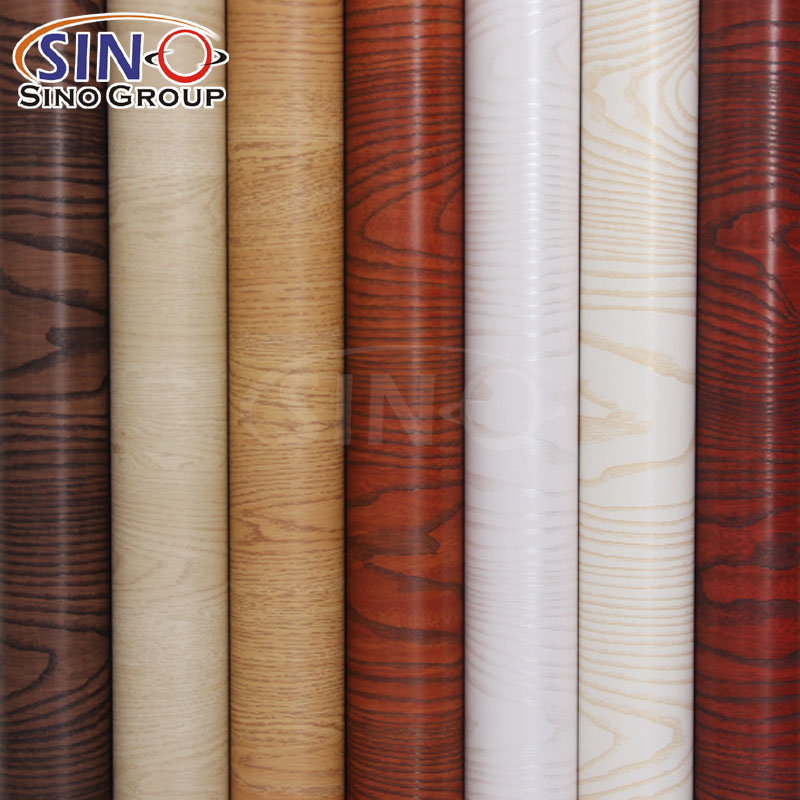
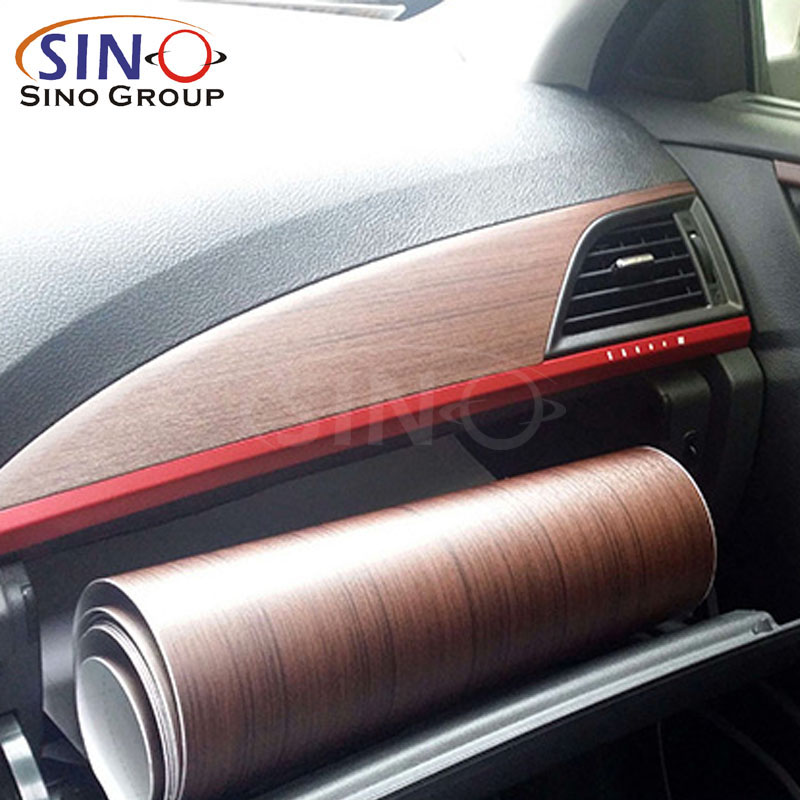
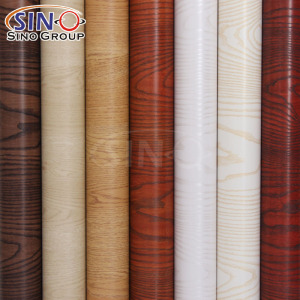
When I first discovered wooden film, I realized it’s easier to make furniture projects that needed a natural and polished finish. Wooden film is a specially designed decorative layer that looks like real wood textures and grains. It make the furniture with a high-end look but without requiring the time, effort and maintenance of natural wood. I love using wooden film because it offers good quality to every project. Natural wood often has different grain and color, but wooden film keeps everything uniform. Many furniture designers choose it because it fits both classic and modern styles, and it gives them more freedom to match interior themes.
2. Top Benefits of Using Wooden Film in Modern Furniture
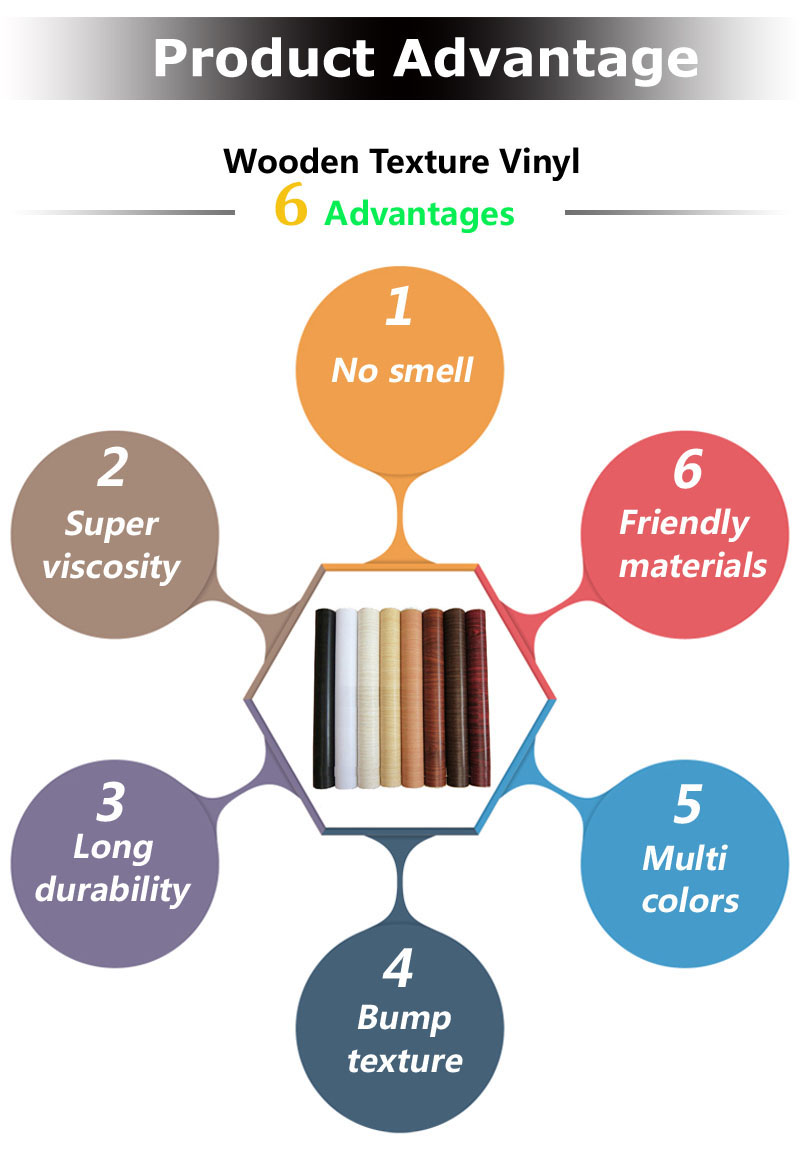
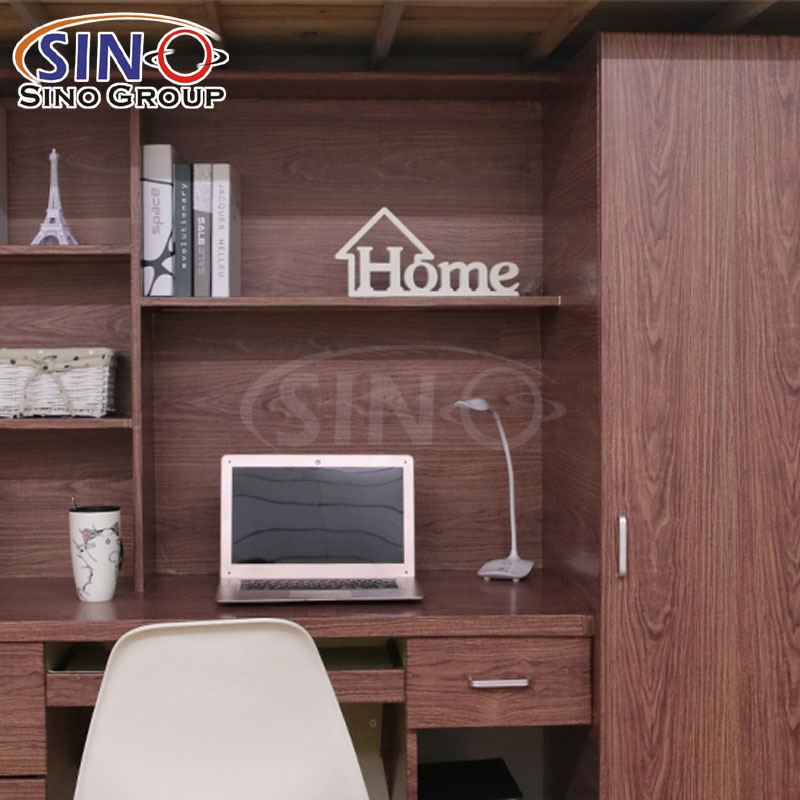
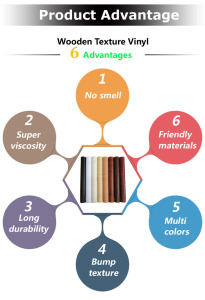
The more I use wooden film, the more benefits I discover. One of the biggest advantages is its ability to transform simple furniture structures into stylish pieces quickly. I appreciate how wooden film cuts down on unnecessary costs while still delivering an elegant finish. I’ve noticed that wooden film doesn’t warp, crack or fade as easily as untreated wood. This makes it a strong choice for the furnitures at homes, offices and commercial spaces. The ease of cleaning also stands out. A quick wipe usually restores the surface’s shine, which makes it perfect for busy users who want beauty without complicated upkeep.
3. Types of Wooden Film Finishes and Their Best Uses
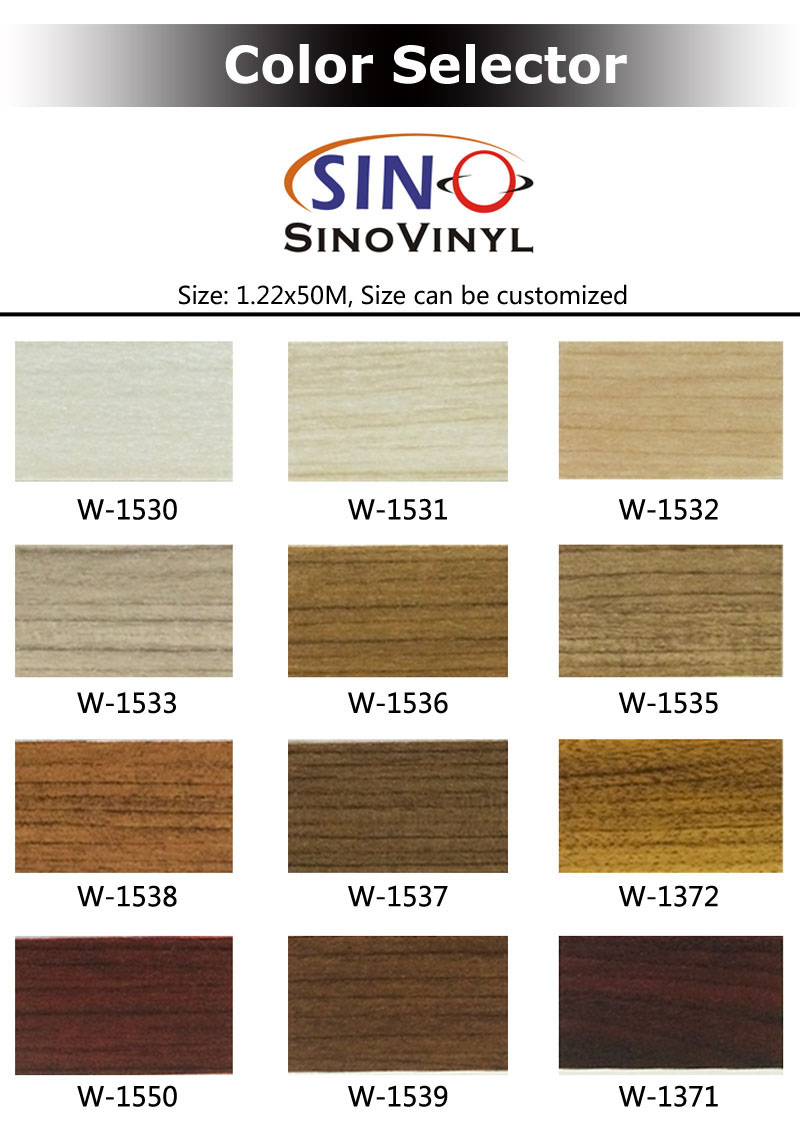
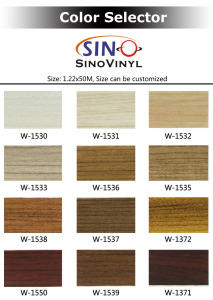
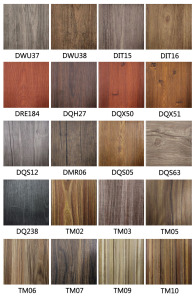
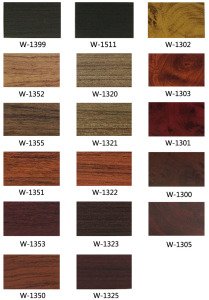
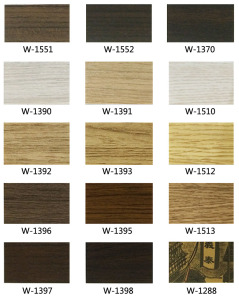
I always enjoy browsing through the many finishes available in wooden film. Some finishes is oak or walnut textures, while others grains like ash or teak. I choose matte finishes when I want a soft, modern style, and I use glossy finishes when I need something more luxurious. Embossed wooden film is the most realistic because it includes slight textures that feel like the real wood. The smooth, simple grain wooden film suitable for offices or minimalist homes, and rustic finishes work perfectly in cozy or countryside-inspired interiors. Choosing the right finish can change the tone of every area, and wooden film is more flexible than natural wood.
4. How Wooden Film Enhances Durability and Longevity
Durability is important for every furniture project I handle. It resists scratches better than soft wood surfaces, and I love that it doesn’t fade when exposed to indoor light for long time. I also use wooden film in kitchens or bathrooms, because it is waterproof. This can make the furniture to maintain a clean and straight appearance over time. When clients want something that maintains its look for years, I confidently recommend wooden film.
5. Cost Advantages of Wooden Film Over Natural Wood
I often meet clients who love the feel of wood but don’t want to exceed their budget. Wooden film meets their requirements, they don’t need to cover the cost of expensive lumber or finishing treatments. Natural wood need sanding, staining, and sealing, and all of these steps increase the cost. Wooden film reduces many of those steps, so I can create beautiful furniture quickly and affordably. This cost efficiency also helps furniture construction companies to maintain competitive pricing and still producing quality products.
6. How to Choose the Right Wooden Film for Your Project
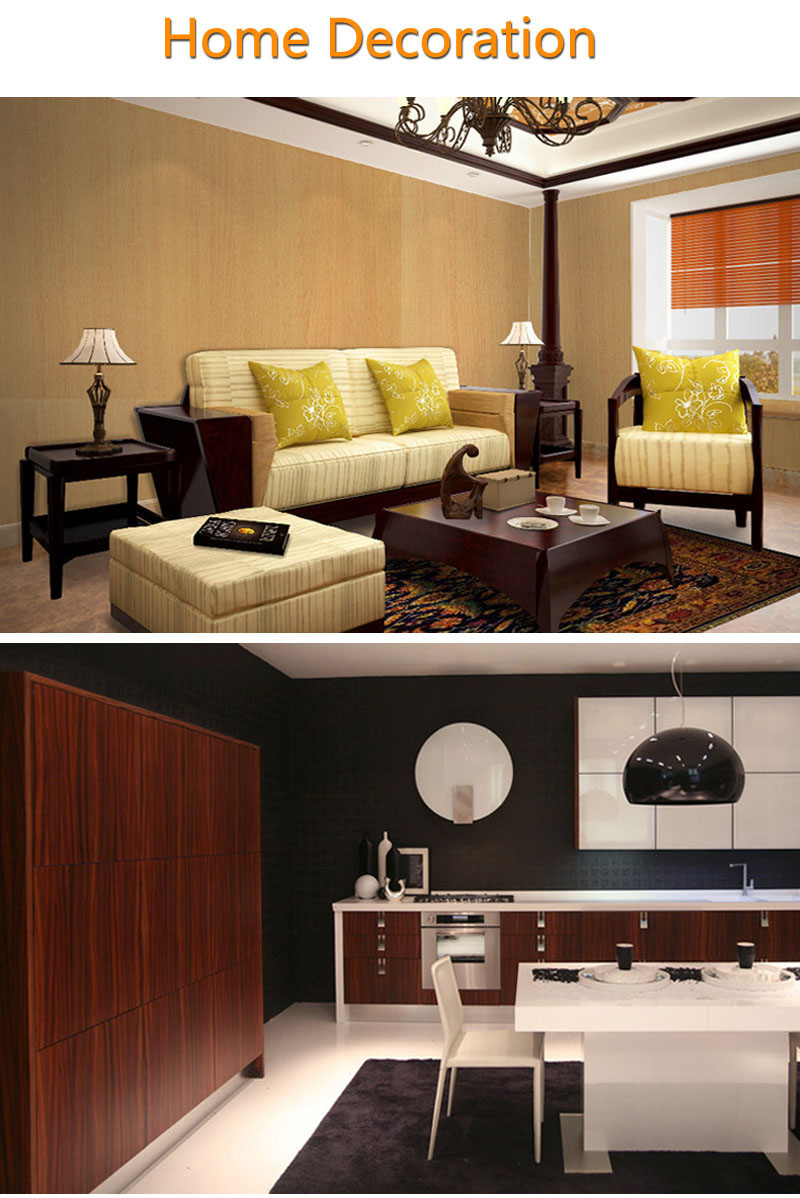
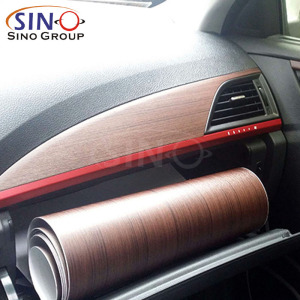
When I choose wooden film for a project, I always consider their final look and the environment of the furniture. If I want a warm and inviting tone, I will choose something in medium brown or walnut shades. If i want a modern style, I like using light or gray wooden films. I will also check the sunlight or humidity that the furniture will face. If the furniture sits in a high-traffic area, I will choose a thicker and more scratch-resistant wooden film. Matching colors with existing interiors also important, so I always compare samples before making a final decision.
7. Installation Tips to Get a Realistic Wood Look
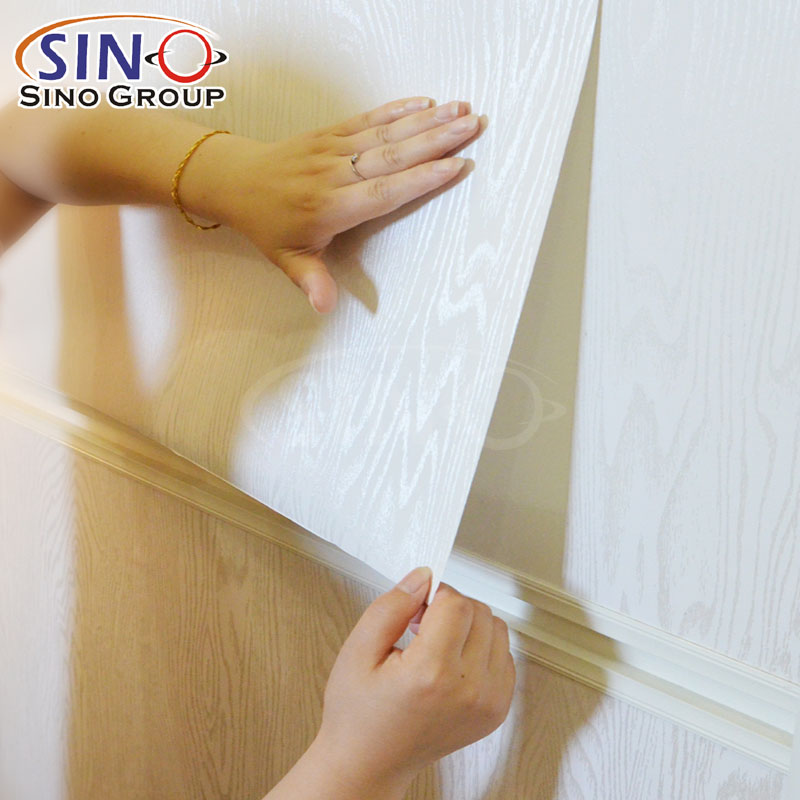
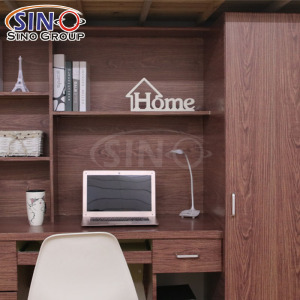
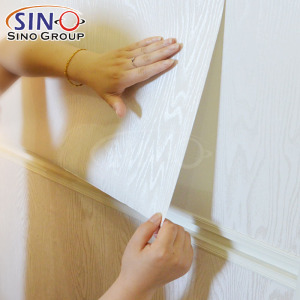
Good installation techniques help wooden film look as realistic as possible. I always clean and smooth the furniture surface first, and then applying the wooden film to make sure it sticks on the surface evenly. I use a squeegee or soft cloth to remove the air bubbles and make a flat surface. When applying wooden film with wood-grain patterns, I take time to align the grains so we can get a natural flow.Sharp cutting tools also make a huge difference because they help me trim edges cleanly. Small details like these help wooden film look more like genuine wood and less like a surface covering.
8. Maintenance Guide: Keeping Wooden Film Looking New
I love recommending wooden film because maintenance feels easy for my clients. To keep wooden film looking new, I avoid harsh chemicals and use mild cleansers instead. A soft cloth usually removes dust and fingerprints quickly. I also avoid sharp tools around the furniture because they might cause scratches. When spills happen, I clean them right away to prevent any staining. Wooden film doesn’t require polishing or waxing, so upkeep stays simple and stress-free.
9. Eco-Friendly Advantages of Wooden Film Materials
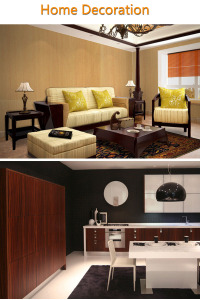
Sustainability matters to me, and wooden film offers several eco-friendly advantages. It uses fewer natural resources than harvested wood and helps reduce waste. Many wooden films use recyclable materials, which supports responsible manufacturing. I choose wooden film when I want to reduce the environmental impact of a project without sacrificing design quality. This makes it a great option for clients who want beautiful furniture and care about eco-friendly solutions.
10. Latest Trends in Wooden Film for Furniture Design
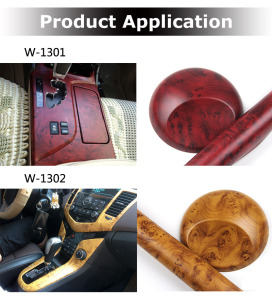
Every year, I notice exciting new trends in wooden film, and I always enjoy experimenting with them. Light Scandinavian-style finishes currently stand out in many modern interiors. Textured wooden films also keep gaining popularity because they offer a more natural, tactile feel. I see a rise in bold wood patterns too, especially in luxury homes and boutique commercial spaces. Many designers now mix wooden film with stone, matte metal, or fabric textures to create unique, layered aesthetics. These trends show how versatile wooden film has become, and they give me endless inspiration for future projects.

As I look back at the many projects where I used wooden film, I see how much it elevates furniture design without adding unnecessary cost or complexity. It gives me the freedom to explore different textures, finishes, and styles while keeping durability and practicality at the center. I love how wooden film fits both modern and classic interiors, and I rely on it when I want a balance of beauty, performance, and sustainability. If you want furniture that looks polished, lasts longer, and stays within budget, wooden film makes an excellent choice. Once you try it, you’ll see how effortlessly it transforms your designs and the spaces around them.