If you’re in signage or vehicle wraps, you’ve probably noticed how often one way vision film and window vinyl come up. They’re both popular, but for wholesale buyers, knowing which to stock—and why—can make a huge difference. Let’s break it down in a way that’s easy to digest.

What’s One Way Vision Film Anyway?
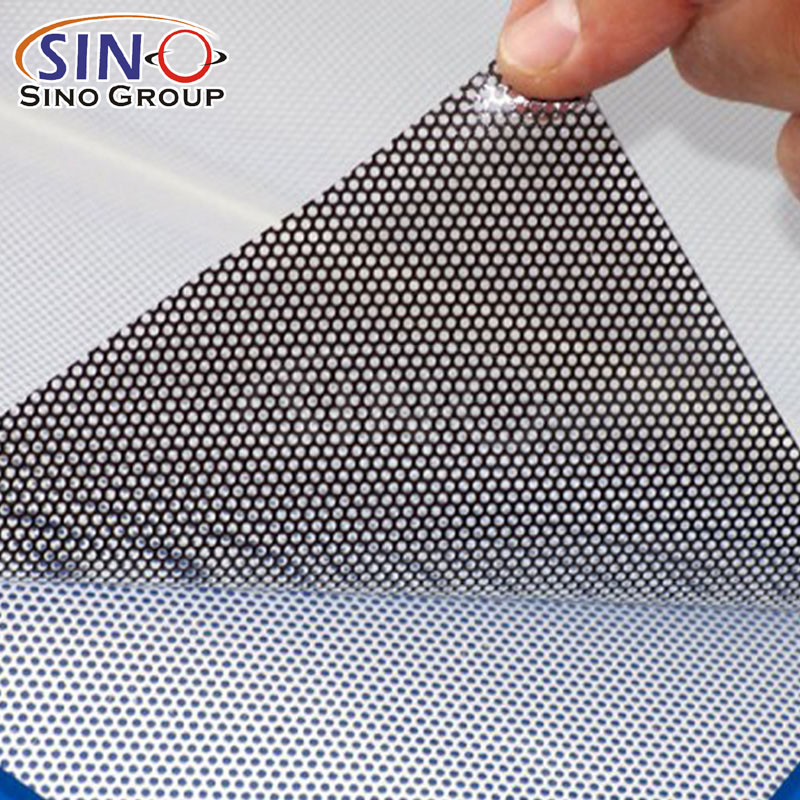
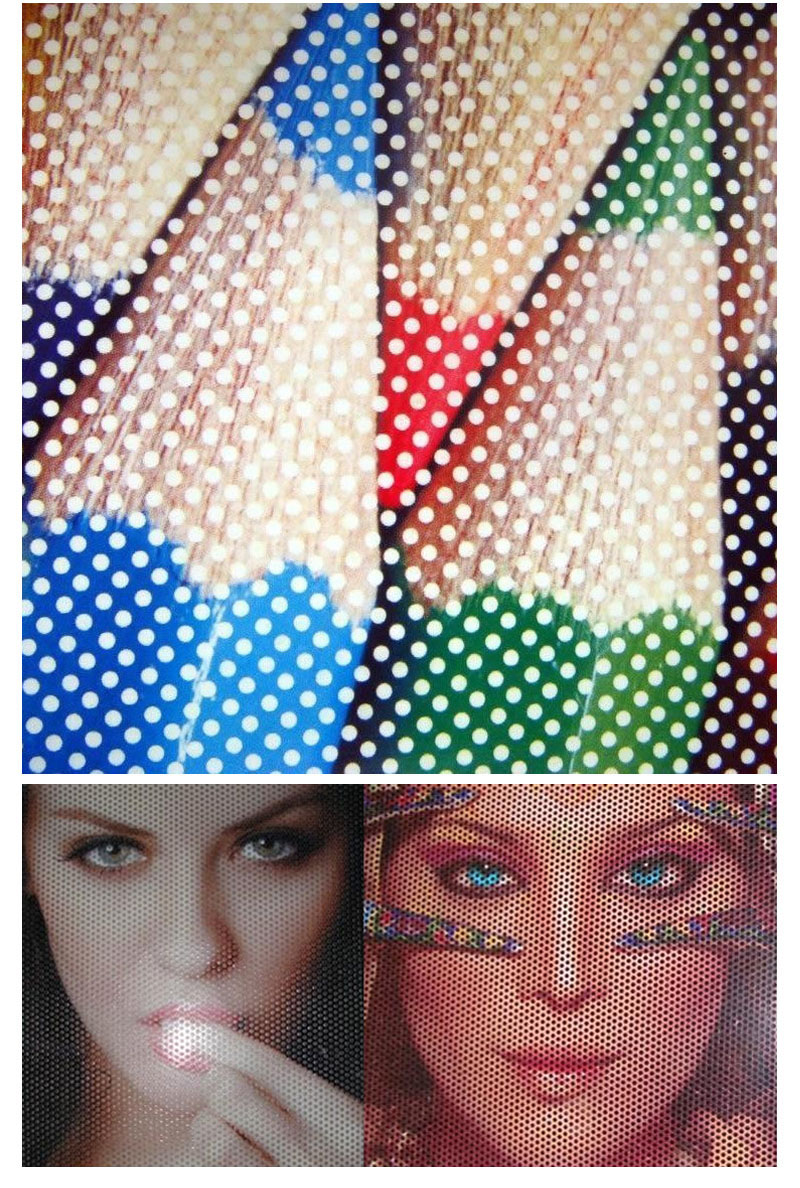
One way vision, or perforated window film, is basically a vinyl sheet full of tiny holes. The cool part? People inside can see out, but from the street, it looks like a printed design.
I’ve seen shop owners in Europe slap this on store windows. From outside, the ad looks sharp. Inside, staff still get sunlight and a clear view. For wholesale buyers, this is a strong selling point—businesses love privacy without feeling boxed in.
How Window Vinyl Is Different
Window vinyl is a broader term. Think solid vinyl you stick on glass. You can print logos, patterns, even full-size ads. Unlike perforated film, light doesn’t pass through and people can’t see inside.
For example, a car wrap shop in the Middle East often uses solid vinyl on SUV rear windows. Total privacy, and the prints pop under sunlight. Wholesale buyers usually go for eco solvent printable vinyl—it prints well, resists fading, and works with standard large-format printers.
Perforated Film in Real Life
Perforated film is everywhere—from buses to shop windows. But not all perforated films are equal.
-
50/50 perforation gives better visibility inside but lighter print outside.
-
70/30 perforation prioritizes the outside image, letting less light in.
I’ve seen shops sell out of 50/50 fast during summer—people love the balance between view and design impact. If you’re a wholesaler, stocking a mix is smart.
Quality Matters
Cheap vinyl can look tempting. But peeling, bubbling, or fading will cost client trust.
Good eco solvent printable vinyl uses premium TPU or PVC blends. Flexible, durable, and heat-resistant—perfect for sunny climates in the Middle East or Africa.
From my experience, distributors who prioritize quality keep long-term clients. Quick sales are fine, but repeat business is gold.
Printing Tips You Can’t Ignore
Not every vinyl works with every printer. Some perforated films resist latex or water-based inks.
If your client has an eco solvent printer, make sure the film matches. Simple trick: keep a few samples in your showroom. Let clients print and test right away. It builds trust and speeds up buying decisions.
Installation Reality Check
Installing perforated film isn’t always easy. Curved surfaces and tinted windows? Tricky.
Tip for wholesalers: share simple installation guides. Even a short PDF or video saves headaches and encourages repeat orders.

Pricing and Bulk Deals
Perforated film usually costs more per square meter—it takes precision to make those tiny holes. Solid vinyl is cheaper, depending on thickness and ink compatibility.
Bulk discounts are key. Many distributors offer price breaks over 100 meters, sometimes up to 500. Seasonal campaigns love this—it’s a good way to attract serious buyers.
Where Each Film Shines
-
Perforated film: storefronts, buses, or any glass that needs inside visibility. Great for outdoor advertising.
-
Window vinyl: full-window graphics, vehicle branding, or privacy applications. Shops, offices, and vehicles all work.
When recommending products, think about visibility, environment, and printer type. That’s how you become a trusted supplier, not just a seller.
Recommended One Way Vision Films for Wholesale Buyers
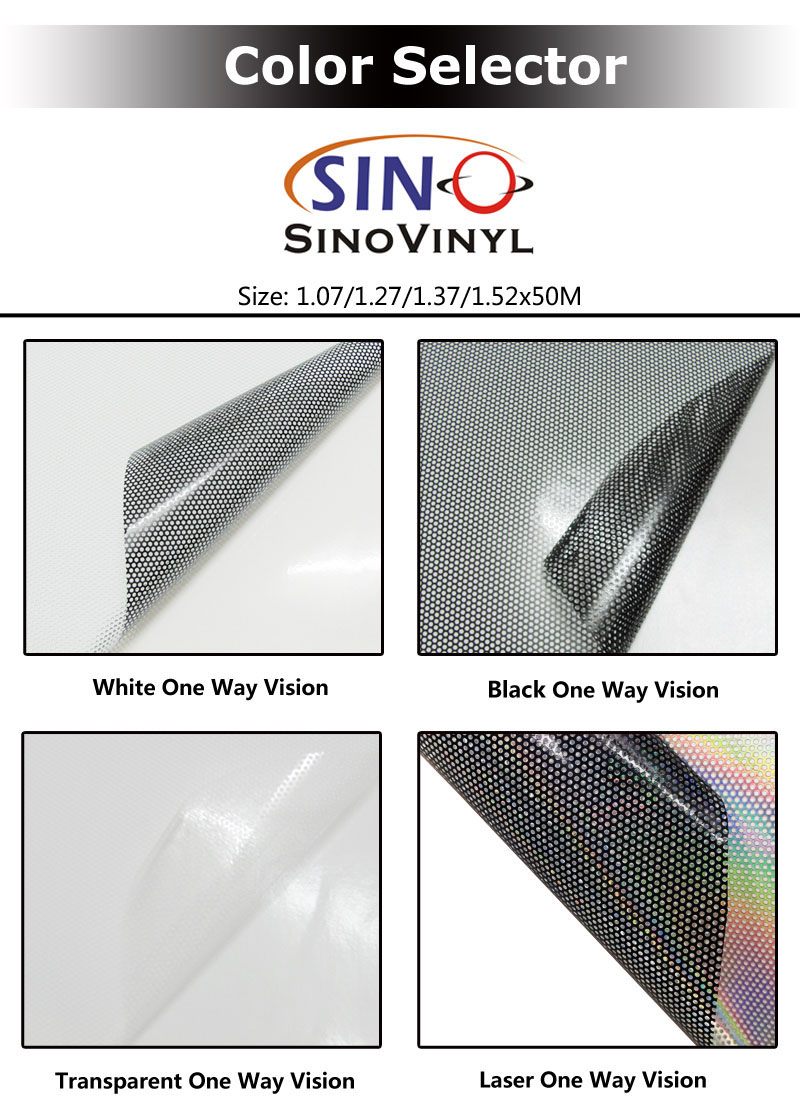
For wholesale buyers, clear options help stock decisions. Here’s a quick table of some popular one way vision films we carry, all compatible with eco solvent printing:
| Item | Color | Code | Size(m) | Film+Glue | Glue Type | Release Paper | VLT |
| White one way vision | White/Black | 1410OW | 1.27/1.52×50m | 140 Microns | Removable
solvent-based | 160G Complex | 40% |
| White one way vision | White/Black | SN18WJ | 1.27/1.52×50m | 180 Microns | Removable
solvent-based | 170G Copperplate Complex | 20%,30%,40% |
| Double sided black one way vision | Black/Black | 1112BL | 1.07×50m | 120 Microns | Removable
solvent-based | 120G | 40% |
| Holographic one way vision | Laser Rainbow | 2216LS | 1.27/1.52×50m | 180 Microns | Removable
solvent-based | 170G | 40% |
VLT = Visible Light Transmission, showing how much light passes through.
Including a simple table like this makes it easy for wholesale buyers to compare and choose the right stock.

Wrapping It Up
Knowing the difference between one way vision film and window vinyl isn’t just technical—it’s practical. Helping clients pick the right product, keeping them happy, and offering real advice keeps them coming back.
Stock a mix, offer quality, and share your insider tips. Perforation size, ink compatibility, or even installation advice—it all matters. Pair that with reliable eco solvent printable vinyl and you’re not just selling material—you’re building a business that clients trust.