Introduction to The Science Behind Car Paint Protective Film
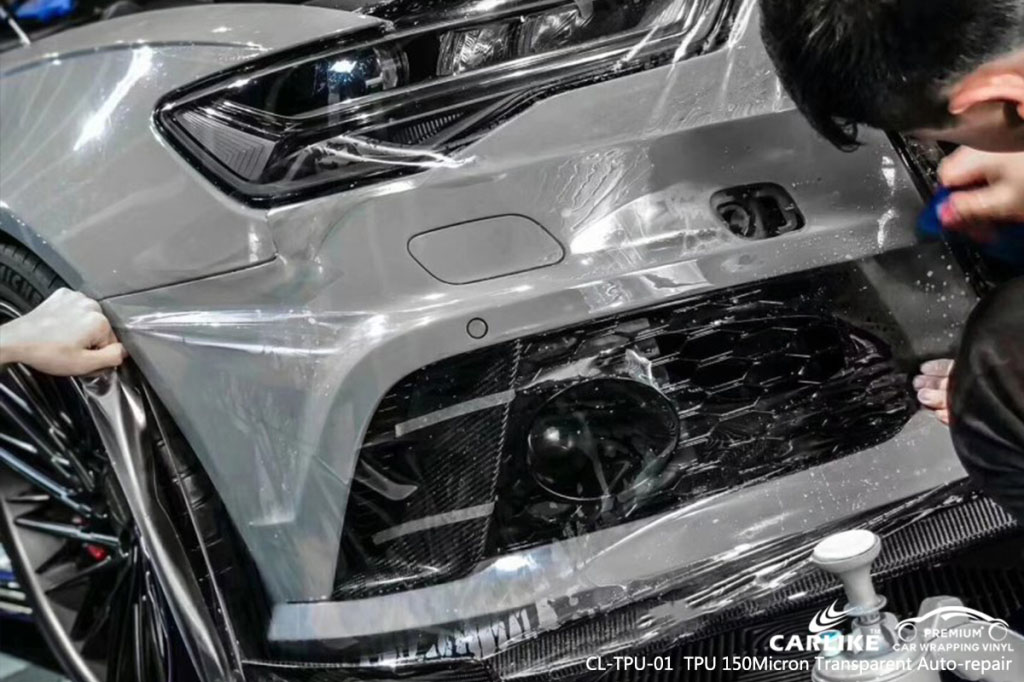
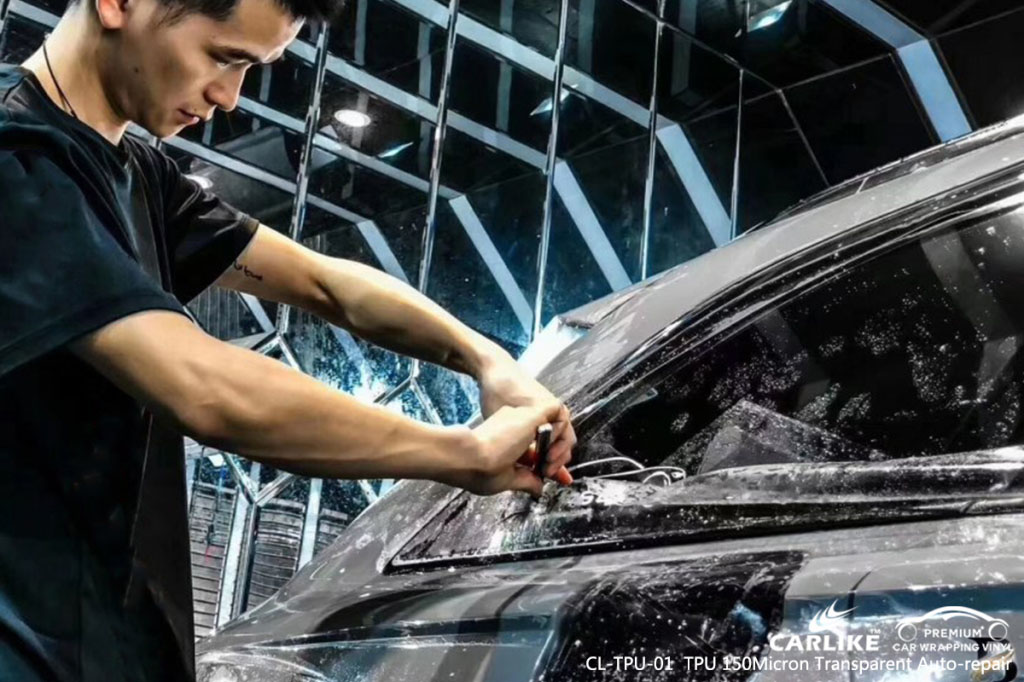
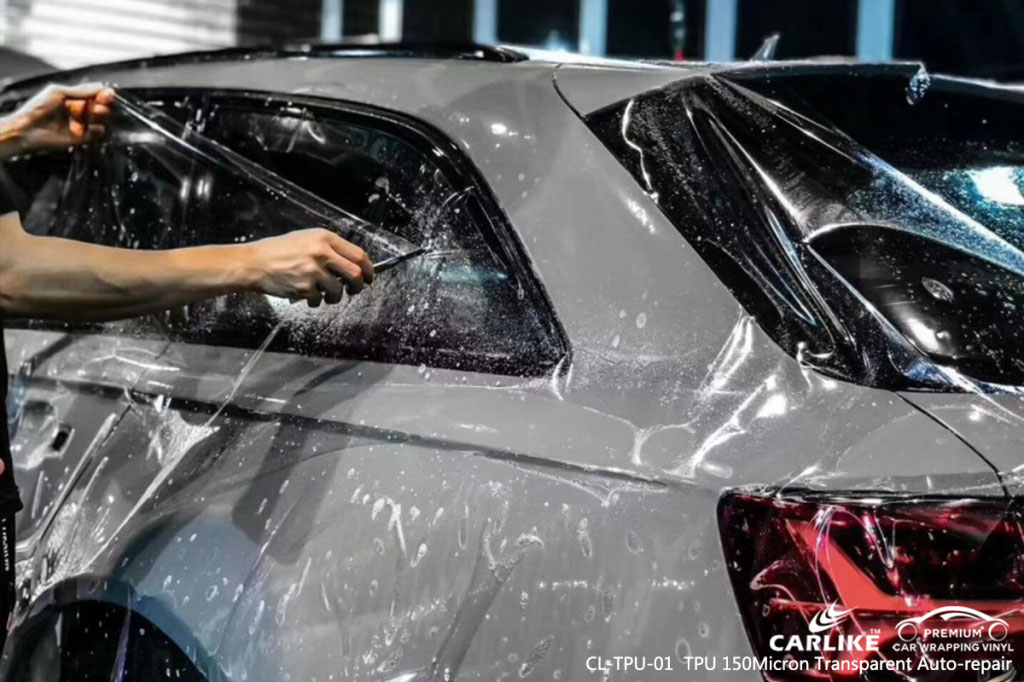
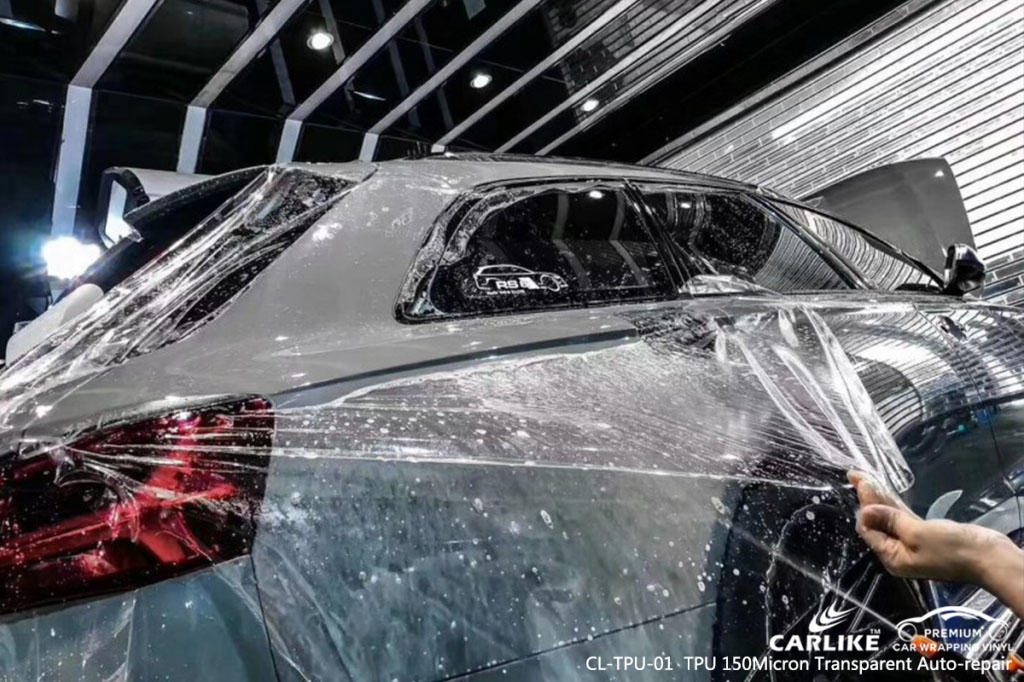
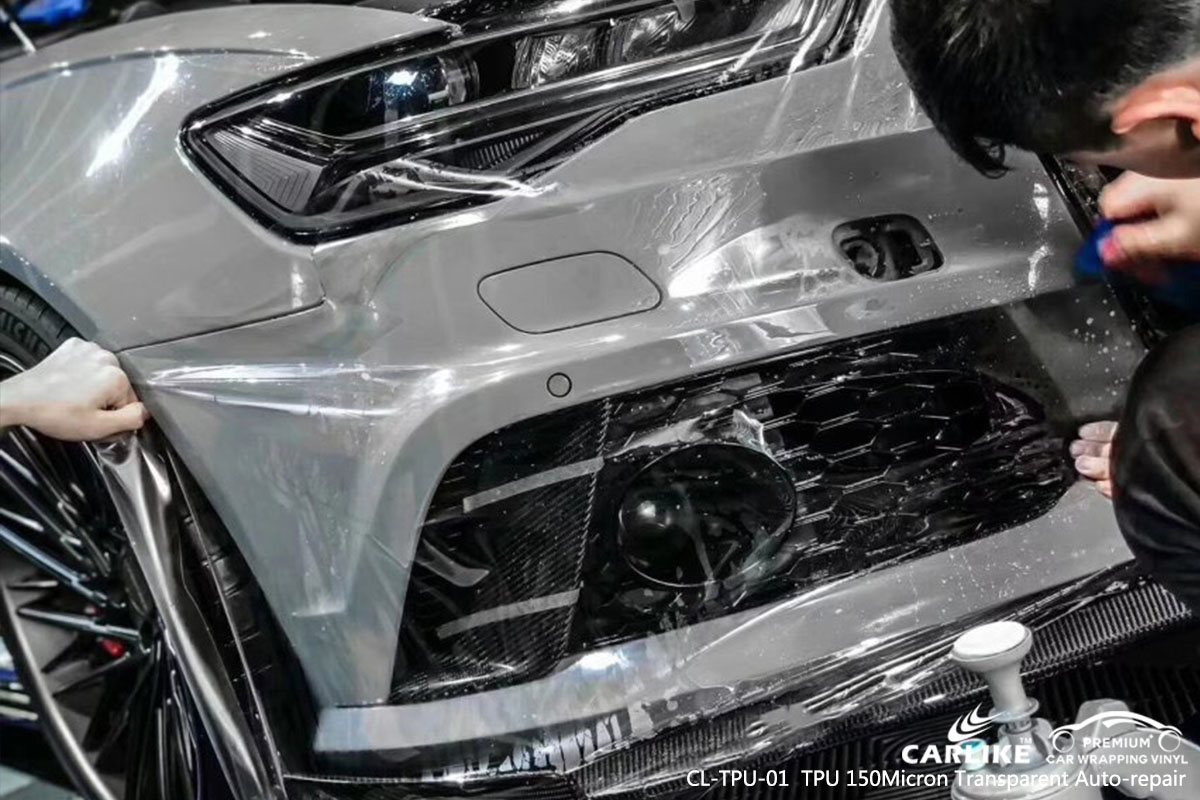
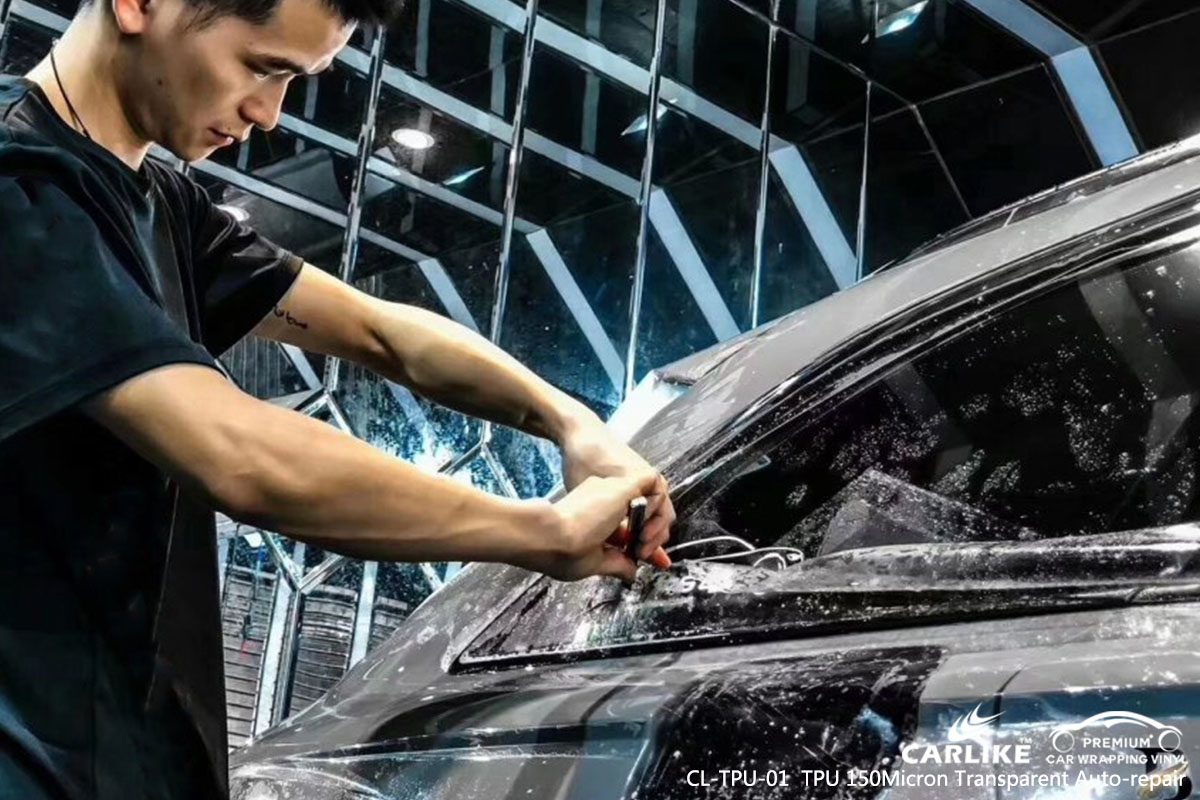
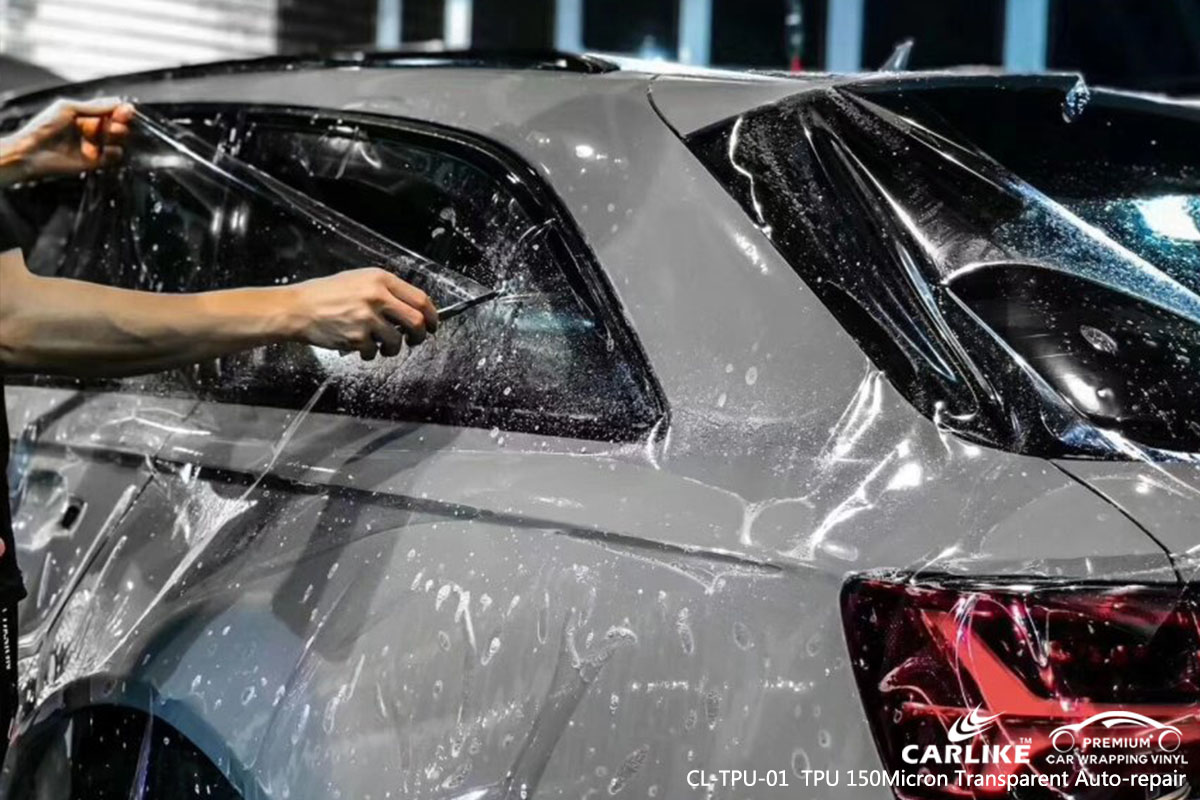
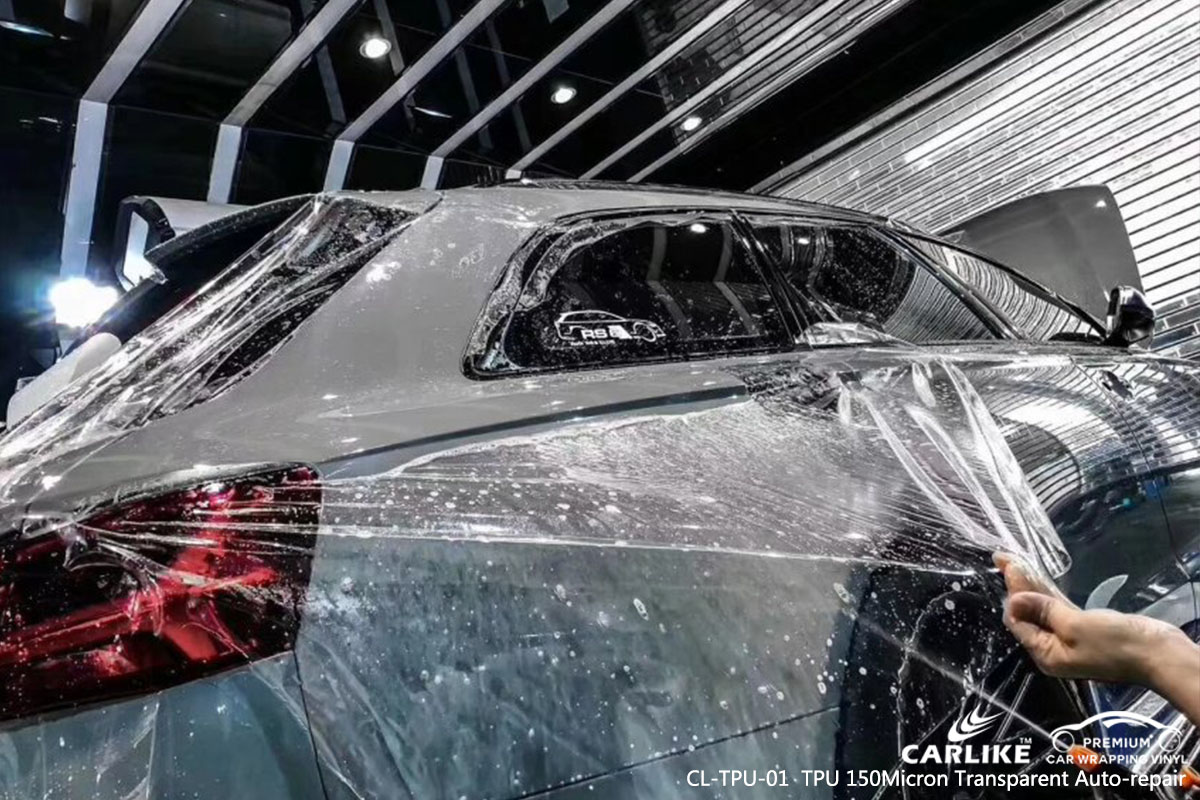
Car paint protective film is a remarkable advancement in automotive care, designed to shield your vehicle’s exterior from a variety of damages. Understanding the science behind these films involves delving into the materials used, the mechanisms of protection, and the innovations driving the industry forward.
Materials Used
- Polyurethane
- Properties: Polyurethane is the most commonly used material in car paint protective films. It is known for its flexibility, durability, and self-healing properties. This material can stretch and return to its original shape, making it ideal for protecting complex curves and surfaces of a car.
- Advantages: Polyurethane films offer superior resistance to abrasion, impact, and chemical damage. They also possess self-healing properties that enable minor scratches to disappear over time with exposure to heat or sunlight.
- Vinyl
- Properties: Vinyl is another popular material, often used for its cost-effectiveness and ease of installation. It is less flexible than polyurethane but still provides a robust protective layer.
- Advantages: Vinyl films are easier to install and remove, making them a preferred choice for temporary protection or aesthetic modifications. They offer good protection against UV rays, minor scratches, and chemical stains.
How the Film Protects Against Different Types of Damage
- Scratches and Abrasions
- Mechanism: The film acts as a sacrificial layer, absorbing the impact of abrasive forces that would otherwise damage the car’s paint. Polyurethane films are particularly effective due to their self-healing capabilities, where minor scratches can be repaired with heat exposure.
- Stone Chips and Debris
- Mechanism: The film’s toughness allows it to withstand the impact of small stones and road debris, preventing paint chipping. The flexible nature of polyurethane helps in dispersing the energy from impacts, reducing the risk of damage.
- Chemical Stains
- Mechanism: Both polyurethane and vinyl films provide a barrier against chemicals such as bird droppings, tree sap, and acid rain. These substances can etch into the paint, but the film prevents direct contact, preserving the car’s finish.
- UV Damage
- Mechanism: Protective films contain UV inhibitors that block harmful ultraviolet rays, which can cause paint fading and degradation over time. This helps in maintaining the car’s color and gloss for a longer period.
Innovations and Advancements in Film Technology
- Self-Healing Technology
- Advancement: The introduction of self-healing films represents a significant innovation. These films have the ability to repair minor scratches and swirl marks automatically when exposed to heat, such as from the sun or a heat gun.
- Hydrophobic and Oleophobic Coatings
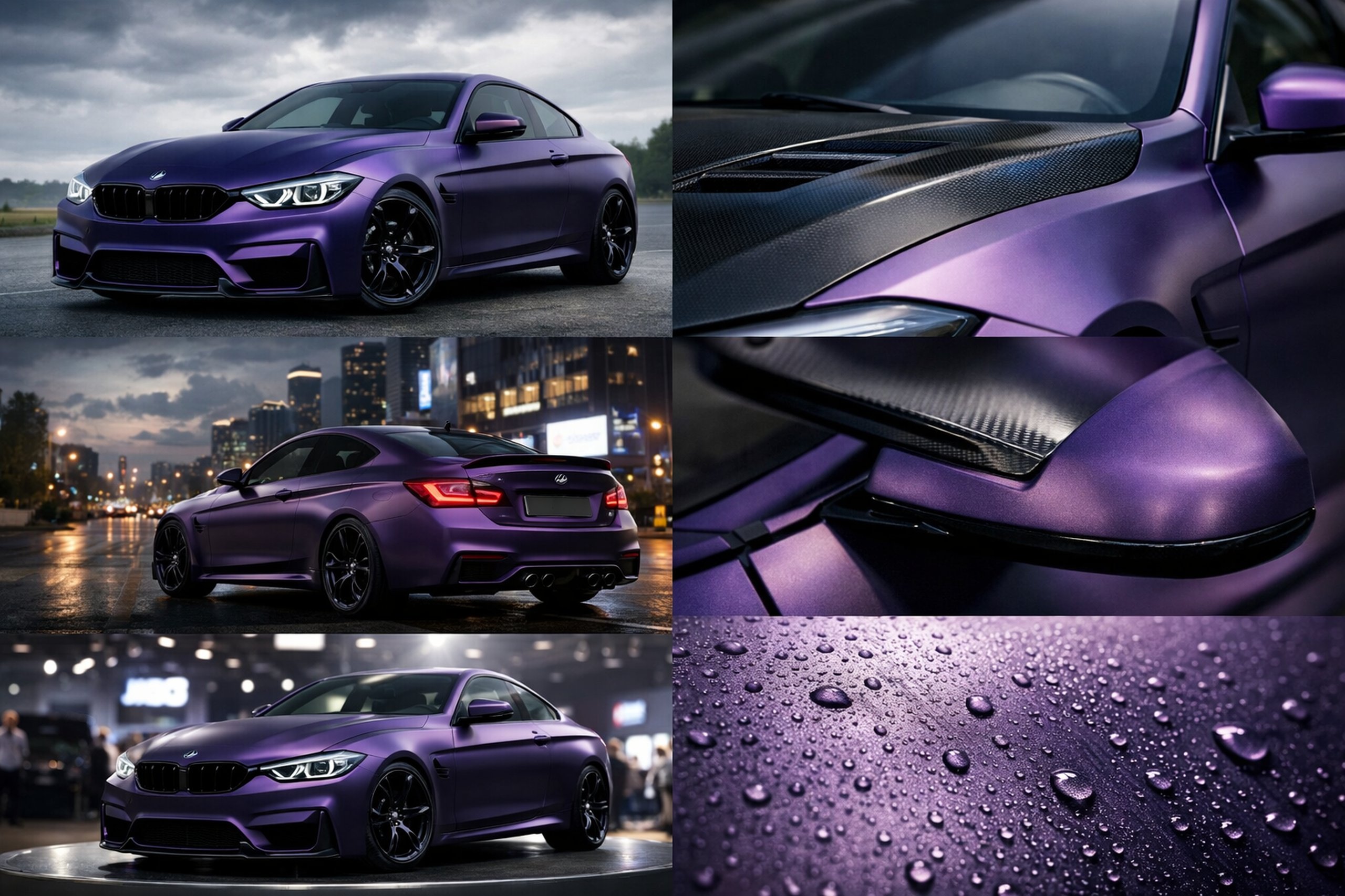
- Advancement: Newer films are being developed with hydrophobic (water-repellent) and oleophobic (oil-repellent) coatings. These coatings help in keeping the car’s surface clean by repelling water, oil, and other contaminants, making it easier to wash off dirt and grime.
- Enhanced Durability
- Advancement: Modern films are designed to be more durable, with improved resistance to yellowing, cracking, and peeling. This ensures that the protective film remains effective and visually appealing for a longer period.
- Customizable Aesthetics
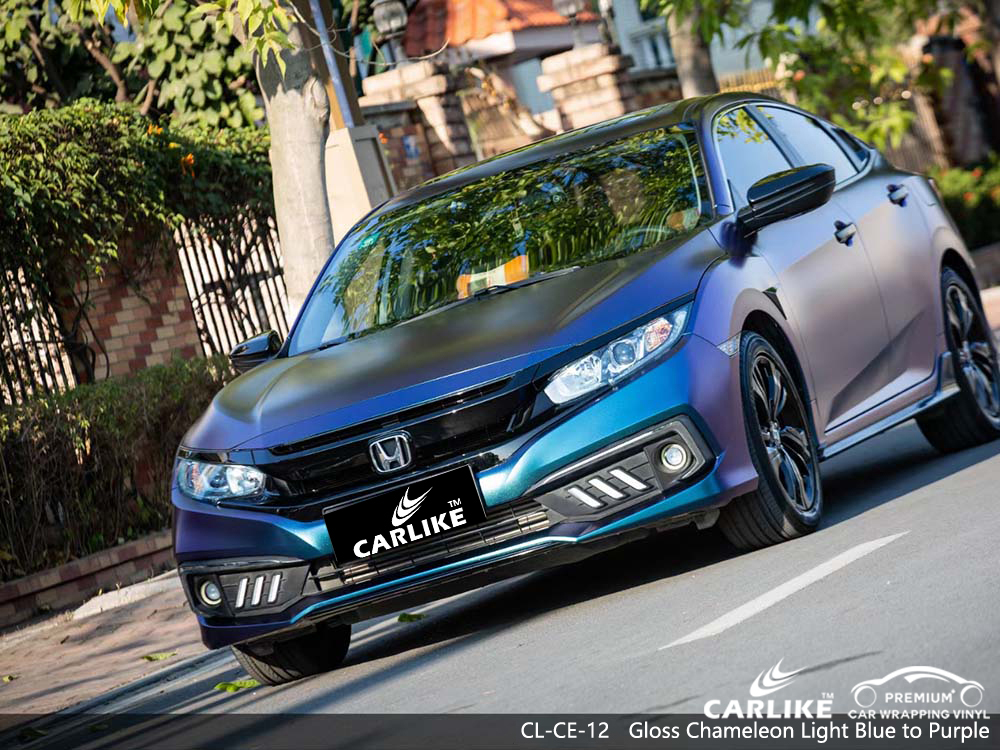
- Advancement: Innovations in film technology also include a variety of finishes and textures, such as matte, gloss, and satin. This allows car owners to not only protect their vehicle but also enhance its appearance according to their preferences.
In conclusion, the science behind car paint protective films combines advanced materials like polyurethane and vinyl with cutting-edge technologies to provide comprehensive protection against a wide range of damages. Continuous innovations in the field are making these films more effective, durable, and aesthetically versatile, ensuring that your car remains in pristine condition for years to come.