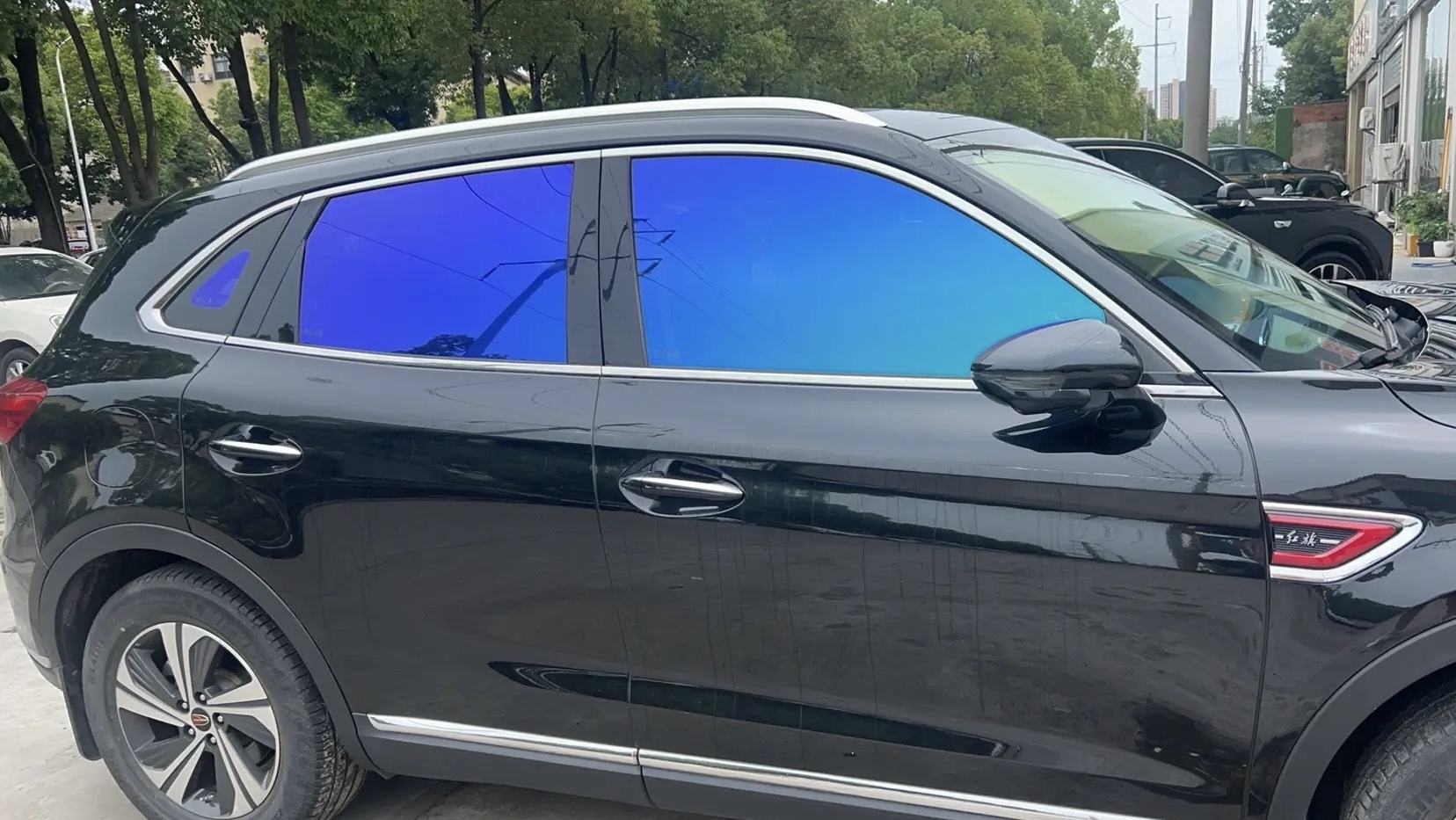
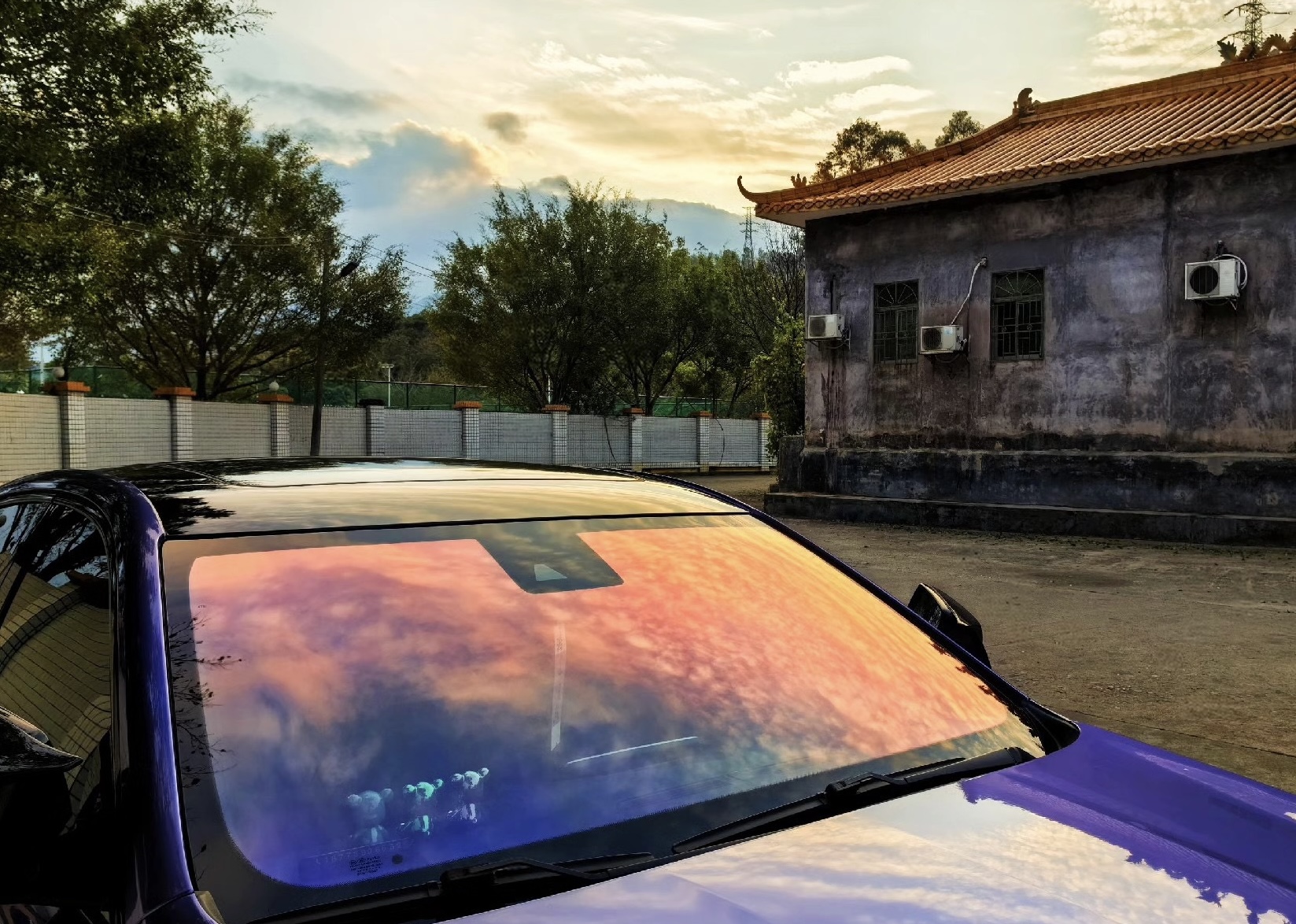
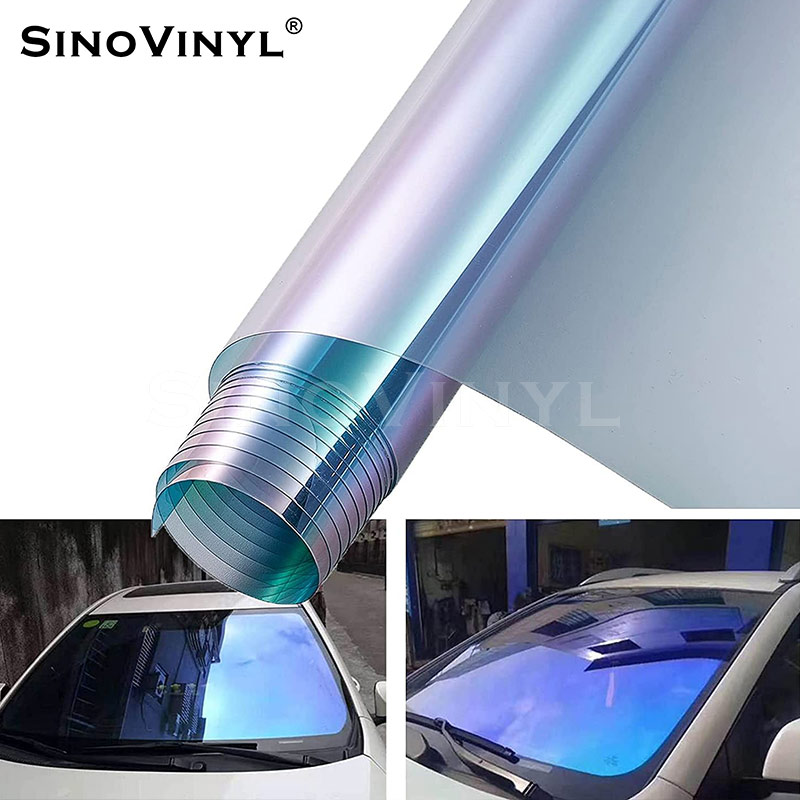
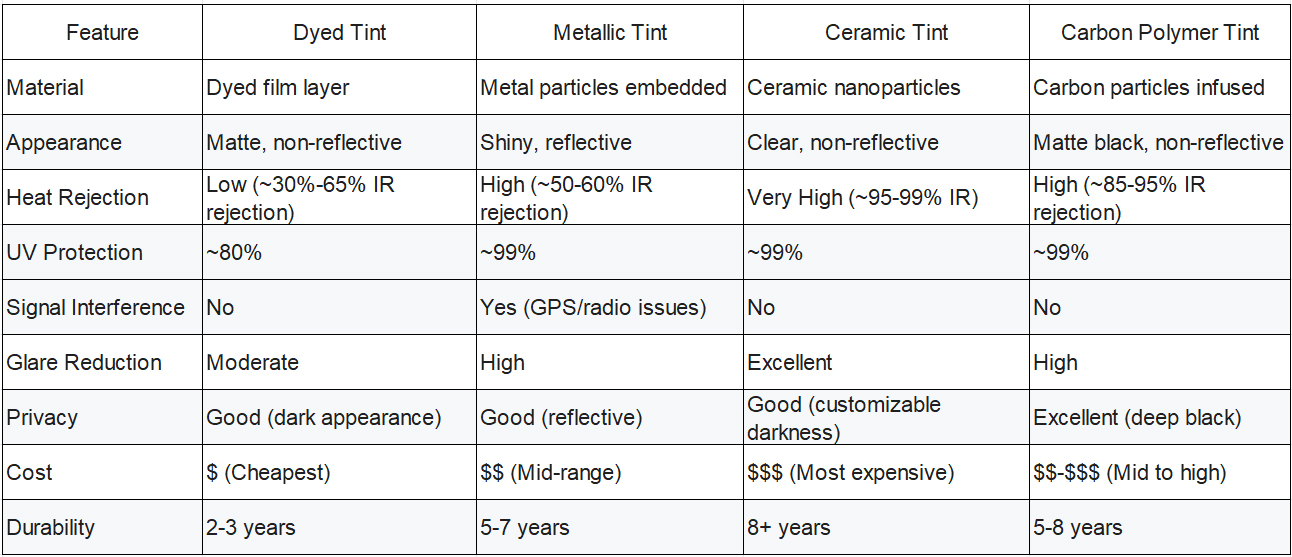
Imagine stepping into a car that feels like a sanctuary—cool, private, and shielded from the sun’s relentless glare. But with endless options like ceramic, carbon, and dyed films, choosing the right car window tint can feel like navigating a maze. What if a single decision could slash cabin temperatures by 60%, block 99% of skin-damaging UV rays, and keep your car’s interior looking factory-fresh for a decade?In this guide, we’ll decode the science, style, and smarts behind 2025’s top car window tints, so you can make an informed choice that’s as savvy as it is sleek. Here’s what you’ll master:
Window tint Advantage
● Heat Rejection: blocks infrared (IR) ray, reducing interior heat.
● UV Protection: blocks 99% of harmful UV-A/UV-B rays, protecting skin and preventing upholstery fading.
● Glare Reduction:minimizes eye strain from sunlight and headlight.
● Privacy & Security:limits visibility from outside
●Energy Efficiency :lowers cooling costs in buildings and vehicles
 Decoding Technical Metrics
● VLT:Visible Light Transmission (VLT) refers to the percentage of visible light that passes through material without being absorbed or reflected.
● IRR:Infrared Rejection (IRR) measures the ability of a material or coating to block or reflect infrared radiation. It is expressed as a percentage, indicating how much IR energy is prevented from passing through.
● UVR:Ultraviolet Rejection (UVR) measures the ability of a material to block or absorb ultraviolet radiation. Expressed as a percentage, it indicates how effectively UV rays are prevented from transmission.
 Window tint levels
● 5% Window Tint:also known as “limo tint,”only 5% visible light transmission (VLT). providing maximum privacy, glare reduction, and heat rejection.
● 15% Window Tint:This film creates a dark, sleek appearance and offers enhanced privacy, UV protection, and heat reduction.
● 25% Window Tint: It provides a sleek, darker appearance without significantly compromising visibility during daytime or nighttime driving.
● 35% Window Tint:35% of visible light transmission (VLT) while blocking 65% of incoming light.
● 50% Window Tint:This tint offers a subtle, sophisticated appearance with functional benefits, making it ideal for users who prioritize clarity, UV protection, and heat reduction without excessive darkness.
● 70% Window Tint:This tint is designed for users who prioritize maximum visibility, UV protection, and heat reduction while maintaining a factory-like appearance.
The following article will introduce different levels of window tint in detail.
Guide Window Tint Levels: Finding The Best VLT For You Car


Dyed Tint
Dyed window tint is a type of automotive or architectural window film made by applying multiple layers of dye (usually carbon or polyester-based) between adhesive and protective coatings. This tint absorbs solar heat and blocks UV rays while providing a sleek, darkened appearance.
Metallic Tint
Metallic Window Tint is a high-performance window film engineered with advanced nano-metallic particles to provide superior heat rejection, UV protection, and glare reduction while enhancing privacy and aesthetics. Its unique metallic layer offers a sleek, reflective finish, making it ideal for automotive, architectural, and decorative applications.
Carbon Window Tint
Carbon Polymer Tint is a high-performance window film engineered with advanced carbon and polymer composite technology. It offers superior heat rejection, UV protection, and glare reduction while maintaining excellent clarity and durability. The nano-carbon particles embedded in the polymer matrix enhance its performance without metallic components, making it non-reflective and resistant to signal interference (ideal for GPS, mobile phones, and radio devices).
Ceramic Window Tint
Carbon Window Tint is a high-performance automotive and architectural window film composed of carbon particle-infused layers. Unlike traditional dyed or metallic tints, it utilizes nano-carbon technology to block heat and UV rays without interfering with electronic signals.
 Legal Compliance: Avoiding Fines
Before installing car window tint, you should check the local laws to avoid fines. Different regions have different requirements for window tint VLT.
How To Installing(DIY) Window Tint
Installing car window tint isn’t just about style—it’s a game-changer for comfort, safety, and saving. But here’s the catch: one wrong move could leave you battling bubble, legal headache, or peeling film.In this step-by-step guide, you’ll unlock the secrets to professional-grade results without the salon price tag.
Ultimate Guide:How To Installing (DIY) Window Tint