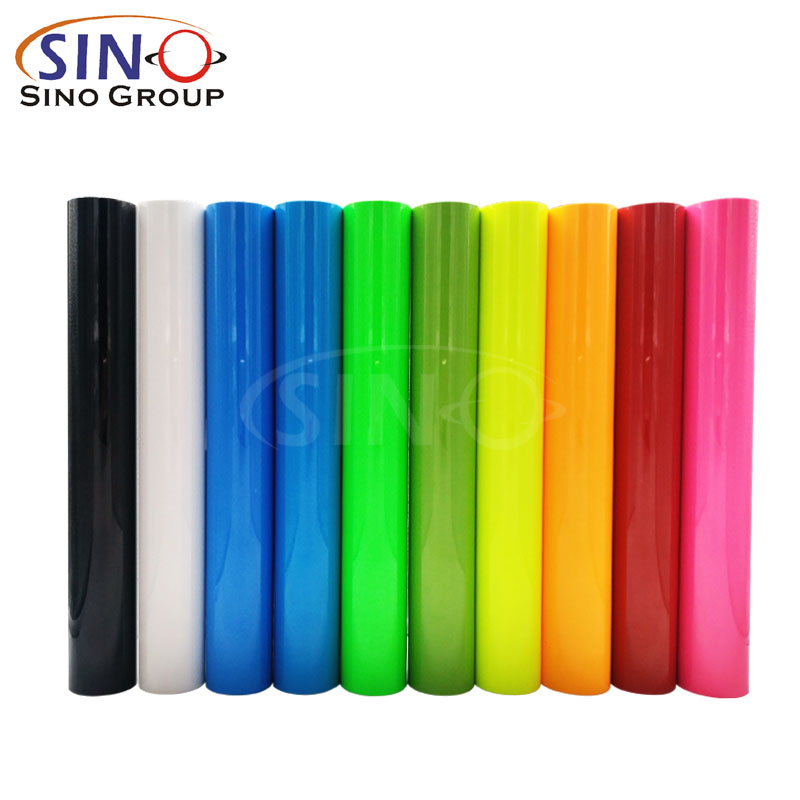
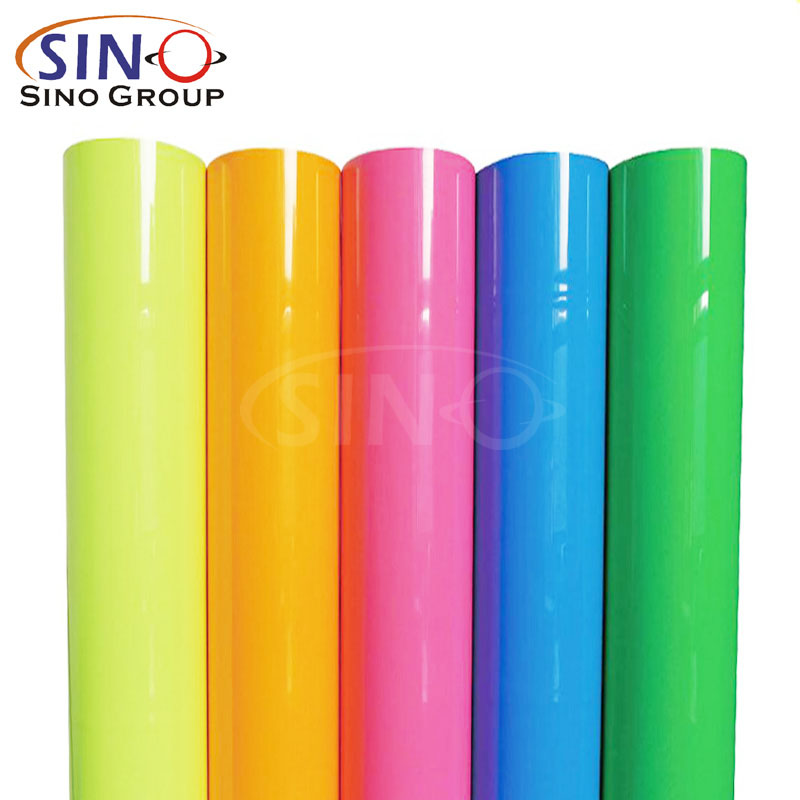
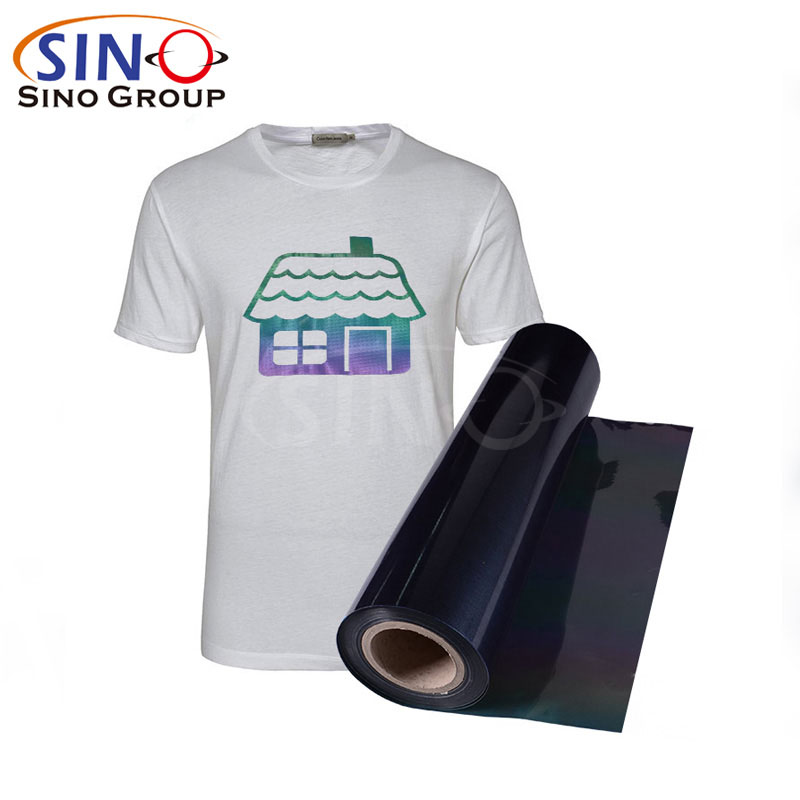
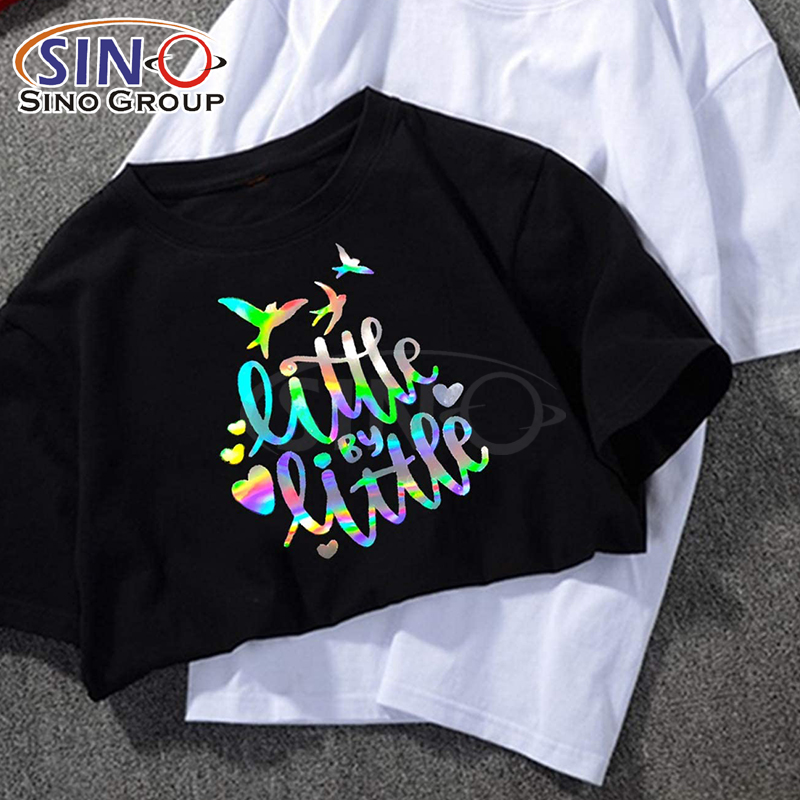
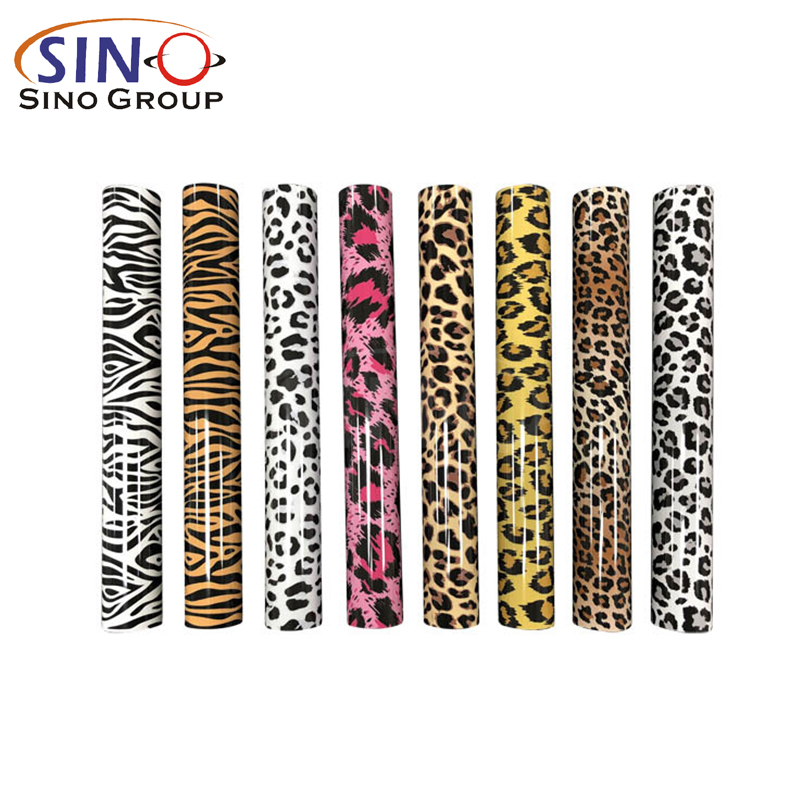
If you’re in the business of customizing products, you’ve probably come across Heat Transfer Vinyl (HTV). Two of the most popular types are PVC and PU. While they might seem similar, understanding their differences is key to choosing the right material for your project. Let’s break down PVC vs. PU HTV in simple terms.

What’s the Main Difference?
The biggest difference lies in the base material. Think of PVC as a plastic and PU as a synthetic leather. This fundamental difference affects everything from feel and flexibility to cost and eco-friendliness.

Side-by-Side Comparison: PVC vs. PU HTV

A Closer Look at Each Material
PVC Heat Transfer Vinyl
PVC is a versatile, cost-effective plastic.
-
Pros:
-
Cons:
-
Stiff and plastic-like feel
-
Not suitable for stretchy fabrics
-
Less environmentally friendly
Typical Applications: You’ll often find PVC HTV on promotional items, plastic nameplates, children’s toys, and hard surfaces that don’t require flexibility.
PU Heat Transfer Vinyl
PU is designed to mimic leather, offering a soft and flexible finish.
Typical Applications: PU HTV is the go-to choice for activewear, sports jerseys, sneakers, fashion apparel, and any high-quality item that needs to withstand bending and stretching.

How to Choose Between PVC and PU
Making the right choice is simple if you ask these questions:
Choose PVC HTV if:
-
You are working on hard surfaces like plastic, wood, or metal.
-
Your budget is tight.
-
The item won’t be stretched or washed frequently (e.g., signs, promotional products).
-
A soft feel is not a priority.
Choose PU HTV if:
-
You are decorating stretchy or soft fabrics (e.g., t-shirts, athletic wear, bags).
-
You need a soft, premium, leather-like feel.
-
Durability and flexibility are critical (e.g., for clothing that will be worn and washed often).
-
You or your customers prioritize eco-friendly materials.

Final Thought
Your choice between PVC and PU ultimately defines the quality, feel, and application of your final product. For hard, low-cost items, PVC is a practical solution. For soft, flexible, and high-quality fabrics, PU is the superior and professional choice. By matching the material to your project, you ensure a successful and lasting result.
FAQ
1. What is the single biggest difference between PVC and PU HTV?
The single biggest difference is the feel and flexibility.
-
PVC feels like plastic and is relatively stiff. It’s ideal for hard surfaces or designs that don’t need to stretch.
-
PU feels like soft, synthetic leather and is highly flexible and stretchable. It’s the professional choice for clothing and any item that needs to bend or move.
Think of it as the difference between a plastic folder (PVC) and a leather glove (PU).
2. Which type of HTV should I use for t-shirts and stretchy fabrics?
You should always use PU HTV for t-shirts and stretchy fabrics.
PVC HTV does not stretch and will crack and peel the first time the fabric is stretched or washed. PU HTV is specifically engineered to bend, stretch, and withstand repeated washing without damaging the design, making it perfect for apparel.
3. Is PU HTV really worth the higher cost?
Yes, for the right applications, PU HTV is absolutely worth the cost. The higher price buys you critical benefits that PVC cannot offer:
-
A Premium Feel: Your product won’t feel cheap or plastic-like.
-
Durability: It lasts much longer on fabrics that are worn and washed.
-
Comfort: Its soft, breathable nature is essential for clothing.
-
Eco-Friendliness: PU is a more environmentally responsible choice.
For high-quality apparel, branding, or products where customer experience matters, PU is a worthwhile investment.