If you’re in the business of supplying heat transfer vinyl, you’ve probably asked yourself this question more than once: PU or PVC? Which one should you stock more of? Let’s talk about it from a real wholesale perspective. No fluff, no jargon—just what actually works.
PU Heat Transfer Vinyl: The Basics
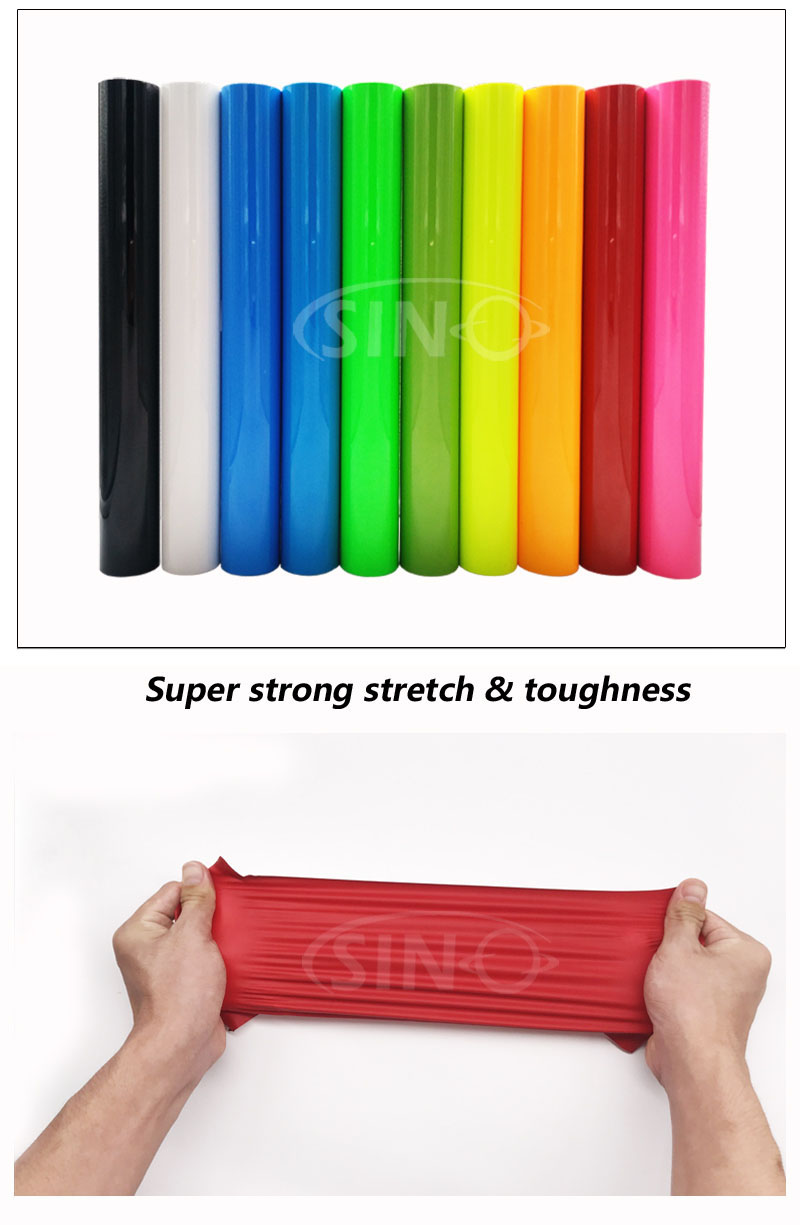
PU, or polyurethane, is soft and flexible. It stretches, bends, and hugs fabrics nicely. Unlike PVC, it doesn’t crack easily.
One distributor from South America once told me, “I’ve tried cheaper PVC, but our clients kept coming back with complaints. PU? Smooth application every time.”
For wholesale buyers, PU rolls of 0.5 x 25m are a sweet spot. Easy to store, easy to handle, and they sell fast.

PVC Vinyl: Cheap but Risky
PVC is cheap. That’s its biggest selling point. Some African clients love it because it’s affordable for small orders. But here’s the downside—it cracks. Stretch fabrics? Forget it. And once a customer has a bad experience, returns happen.
So PVC still has a place—rigid surfaces, small batches, cheap promotional items—but for apparel-focused wholesale orders? PU clearly has the edge.
Ease of Use: PU Makes Life Simpler
PU is forgiving. Pressing mistakes? It can recover. Stretch fabrics? It conforms.
A Middle East wholesaler shared a story: “We had a first-time installer panic over a big container order—0.5 x 25m rolls! PU saved the day. The logos came out perfect.”
PVC, by contrast, needs precise temperature and timing. Less margin for error, especially for large orders.
Market Demand: Where PU Really Shines
Here’s some insider info. Ordinary PU rolls of 0.5 x 25m are hot sellers. In South America, Africa, and the Middle East, the same clients come back 2-3 times a year. Full container orders. Repeat business. It’s reliable, consistent, and fast-moving.
For bulk buyers, the price-to-performance ratio is hard to beat. PU rolls withstand around 40–50 washes, which hits a sweet spot for most end customers.

Price vs. Value
PU isn’t the cheapest, but it’s worth it. Fewer returns. Happier clients. Repeat orders.
Think of it this way: you pay a little more upfront, but the ongoing revenue and client satisfaction outweigh the cost. One African distributor said, “PU pays for itself in repeat orders and client trust.”
PU and Fabric Compatibility
PU works on most fabrics. Cotton? Perfect. Polyester and blends? No problem. Stretch fabrics like spandex? PU handles them if you press carefully—watch temperature and time.
Tricky materials like high-density nylon, faux leather, or shiny coated fabrics? Test a sample first. But for 80–90% of standard apparel, PU is versatile, durable, and consistent.
Storage and Shelf Life
PU rolls store well. Keep them out of direct sunlight and extreme heat, and they’ll last months. Wholesale clients often order full containers—it’s cheaper per roll and reduces shipping headaches.
PVC is similar but watch humidity; it can curl or stick if conditions are poor.

Regulatory Notes for Certain Regions
Always check local rules before shipping. Some regions have strict PVC regulations due to chlorine content. PU is generally safer for compliance, but it’s smart to double-check. You don’t want shipments delayed at customs.
Recommendation: Who Should Go PU
If your clients want flexibility, durability, and repeatable results, PU is the way to go. It sells fast, works on most fabrics, and keeps customers coming back.
PVC still works for cheap, rigid surfaces or small orders, but for serious apparel wholesale? PU is winning the race.
Final Thoughts
PU heat transfer vinyl isn’t just another product—it’s a business decision. Fast-moving, repeatable, reliable. Wholesale buyers know it, and their clients love it. Roll sizes of 0.5 x 25m are perfect for big orders, and the performance-to-price ratio is hard to beat.
In the end, it’s simple: PU makes your clients happy, and happy clients come back. That’s why PU is dominating markets in South America, Africa, and the Middle East.