Security Window Tint Film: Is It a Worthwhile Investment for Your Car?
Security Window Tint Film, it’s a complete game-changer for vehicle protection. This isn’t your average dark tint. This is a transparent shield designed to hold your glass together against impacts. In this guide, I’ll show you exactly how to choose the right film. I’ll break down the key differences from standard tint, explain the critical role of thickness (measured in mils), and walk you through a simple checklist for choosing the best protection for your car.
1.What is Security Window Tint Film?
Most people think of window tint as a thin, dark layer that reduces glare. And for standard tint, that’s pretty accurate. But Security Window Tint Film is a different beast entirely. I like to think of it as a transparent bodyguard for your glass.
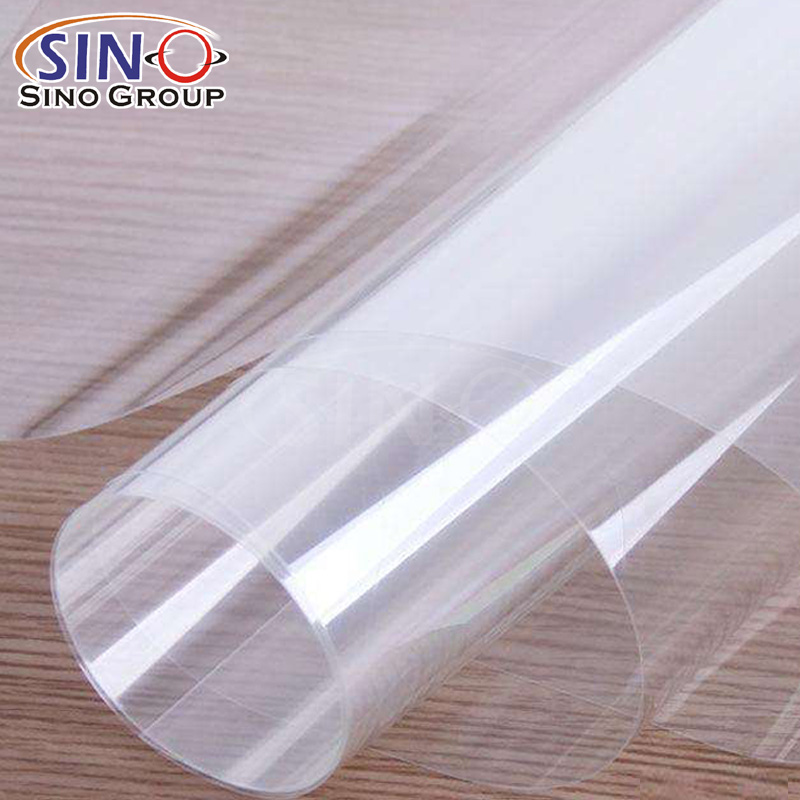
At its core, it’s a high-tech, multi-layered sheet of incredibly strong polyester. While standard tint might use a simple dye, security film is manufactured with durability as the top priority. Its primary job isn’t just to darken; it’s to reinforce. When something strikes your window—if have attempted break-in, a hailstorm, or a flying piece of road debris—the film will have protection.
The advantage: it prevents dangerous glass fragmentation, and it creates a massive barrier for anyone trying to get through the window quickly.

2.Security Window Tint Film vs. Standard Tint: The Key Differences
This is the most important distinction for any buyer. You can imagine standard tint as a piece of colored film, and security film as a thick, clear film.
Purpose: Standard tint is main for privacy, comfort, and aesthetics—it reduces glare and heat. Security film is for protection and safety first, with comfort benefits as a fantastic bonus.
Construction: Standard tint is often a single layer of dyed. Security film is a sandwich of multiple, thick layers of polyester, often with a scratch-resistant coating on the interior side. This is why it’s measured in “mils” (thousandths of an inch) instead of just by its darkness.
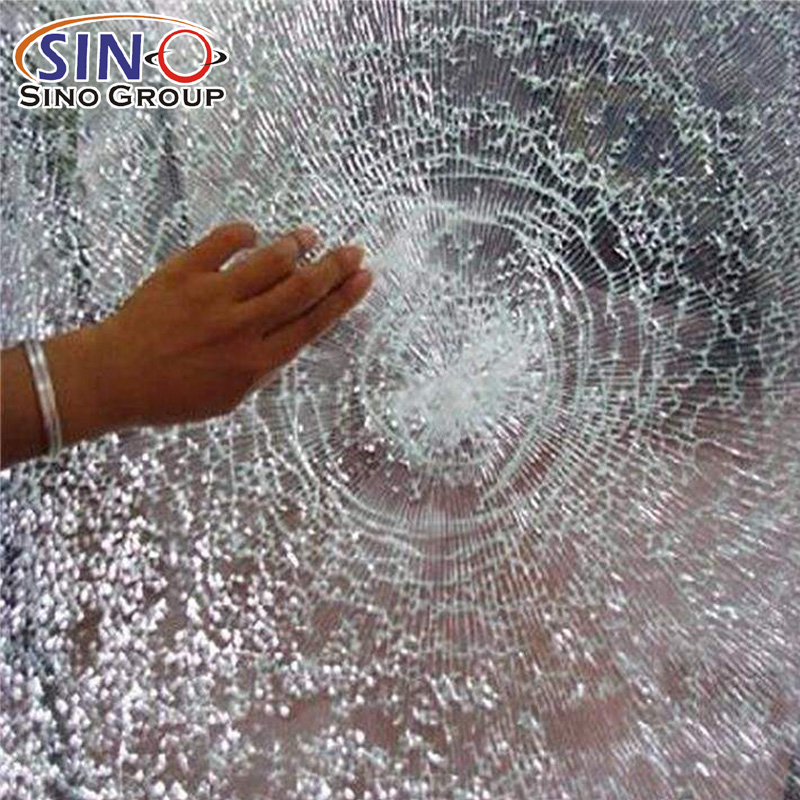
Performance in an Impact: This is the real-world test. A rock hitting a standard tinted window will still cause the glass to shatter and fall in. The tint might hold the pieces together slightly, but not effectively. That same rock hitting a window with security film will cause a “spider web” crack, but the glass will stay in the frame, and the film will often prevent penetration altogether.

3. Understanding Thickness: How “Mils” Measure Security Window Tint Film Strength
Mil is the universal language for measuring the thickness and, by extension, the strength of the film. One mil is one-thousandth of an inch.
Standard Tint: Typically around 1.5 mils. It’s thin and pliable.
4-Mil Security Film: This is your entry-level security option. It’s a great upgrade from standard film, offering good resistance against small impacts and excellent glass retention. Think of it as a strong shield against opportunistic crimes.
6-Mil to 8-Mil Security Film: This is the sweet spot for most car owners seeking serious protection. It’s substantially thicker and can withstand significant force, making it a very effective deterrent against determined break-in attempts.
Beyond 8-Mil: These are heavy-duty films, often used for specialty vehicles. They are incredibly strong but also more challenging to install perfectly on curved car windows.
For a balanced approach of protection, cost, and install ability, aim for a film in the 4-mil to 8-mil range.

Choosing the suitable security window tint film doesn’t a normal decision—it’s a important decision to proactively protect your vehicle, your possessions, and your peace of mind. By understanding the critical factors like thickness, material quality, and the non-negotiable need for professional installation. I hope this guide has empowered you to make a confident choice.If you have anything for help,Contact us!