Advantages:
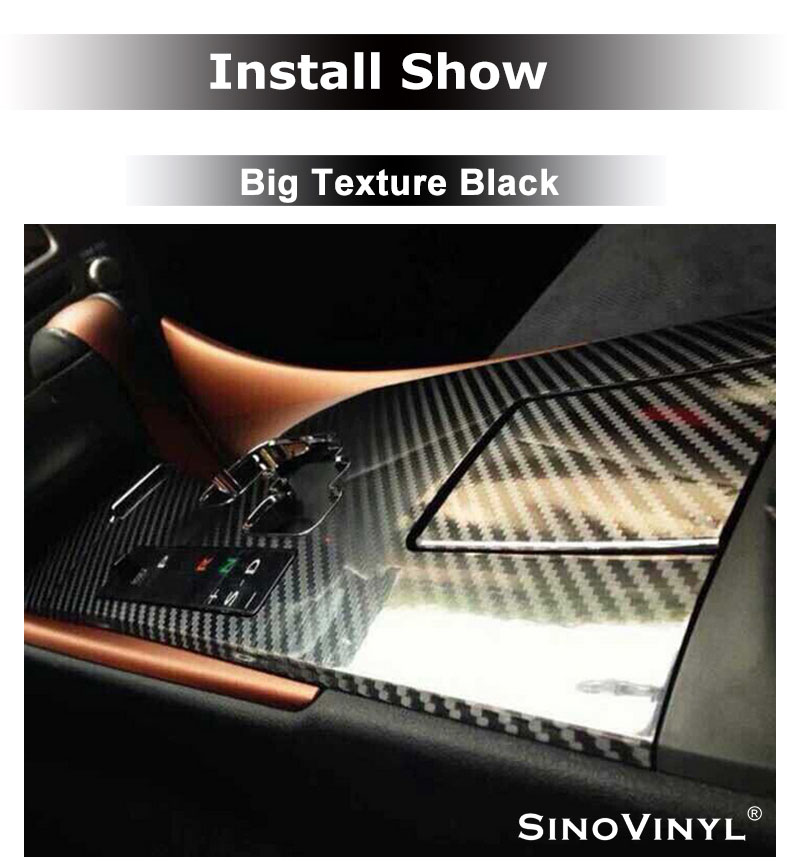
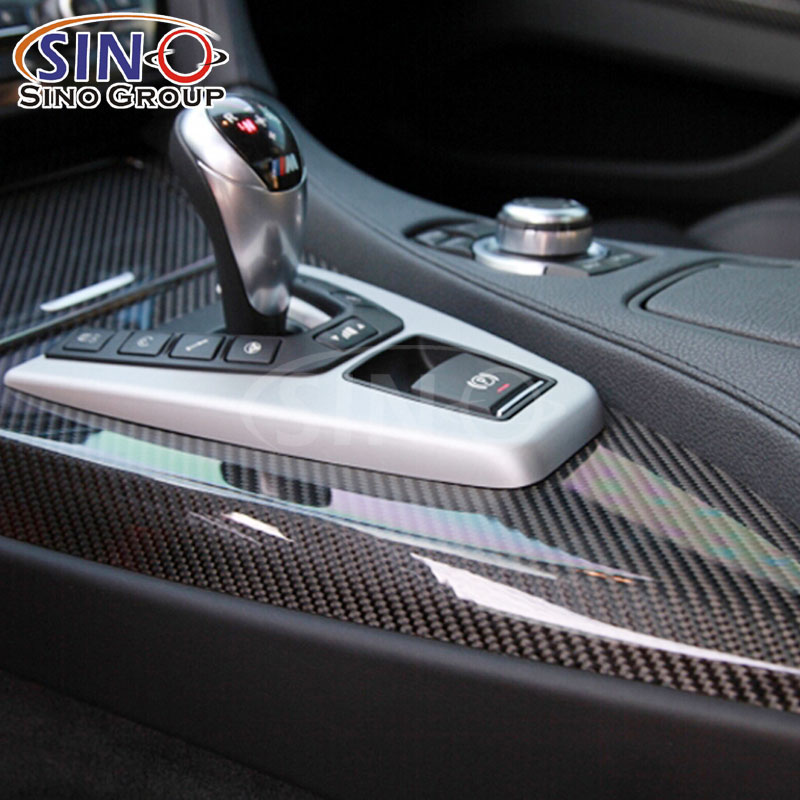
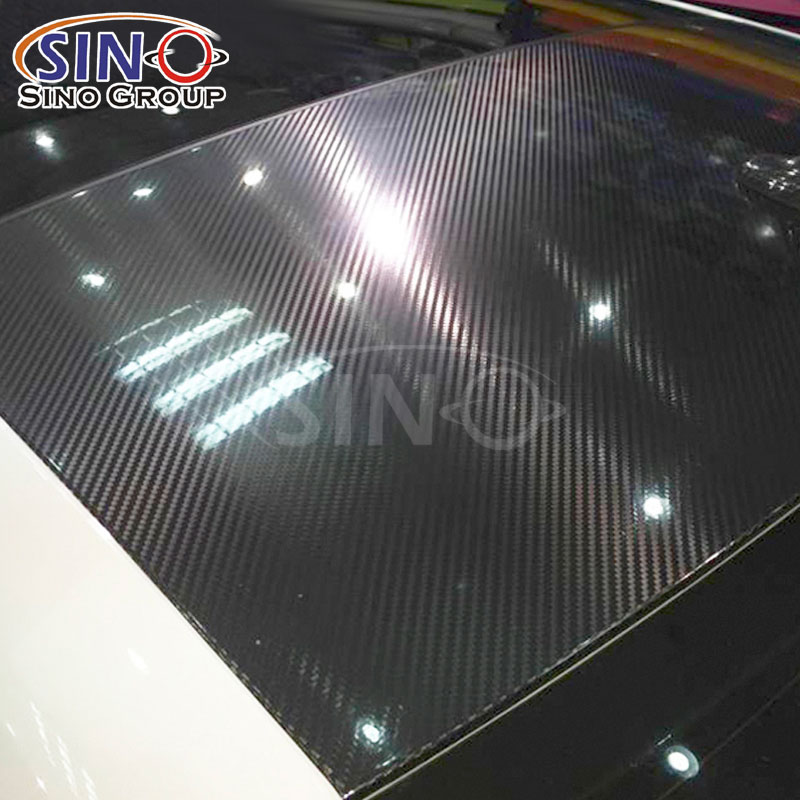
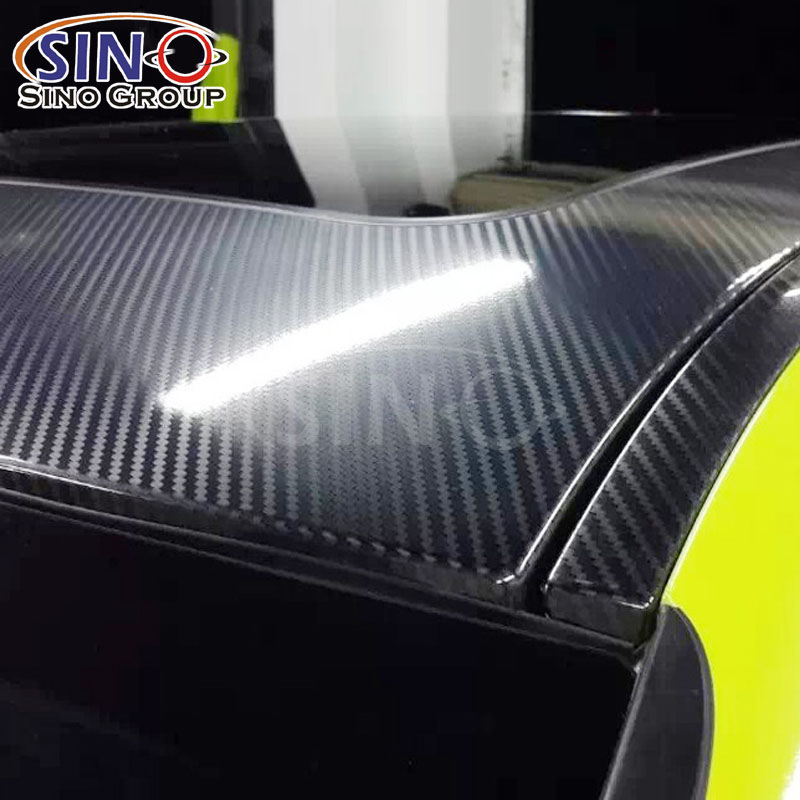
- Aesthetic Appeal: Carbon fiber vinyl provides a sleek and modern look similar to real carbon fiber, enhancing the appearance of vehicles, gadgets, and interior surfaces.
- Lightweight: It is significantly lighter than real carbon fiber, making it suitable for applications where weight reduction is beneficial, such as in automotive components.
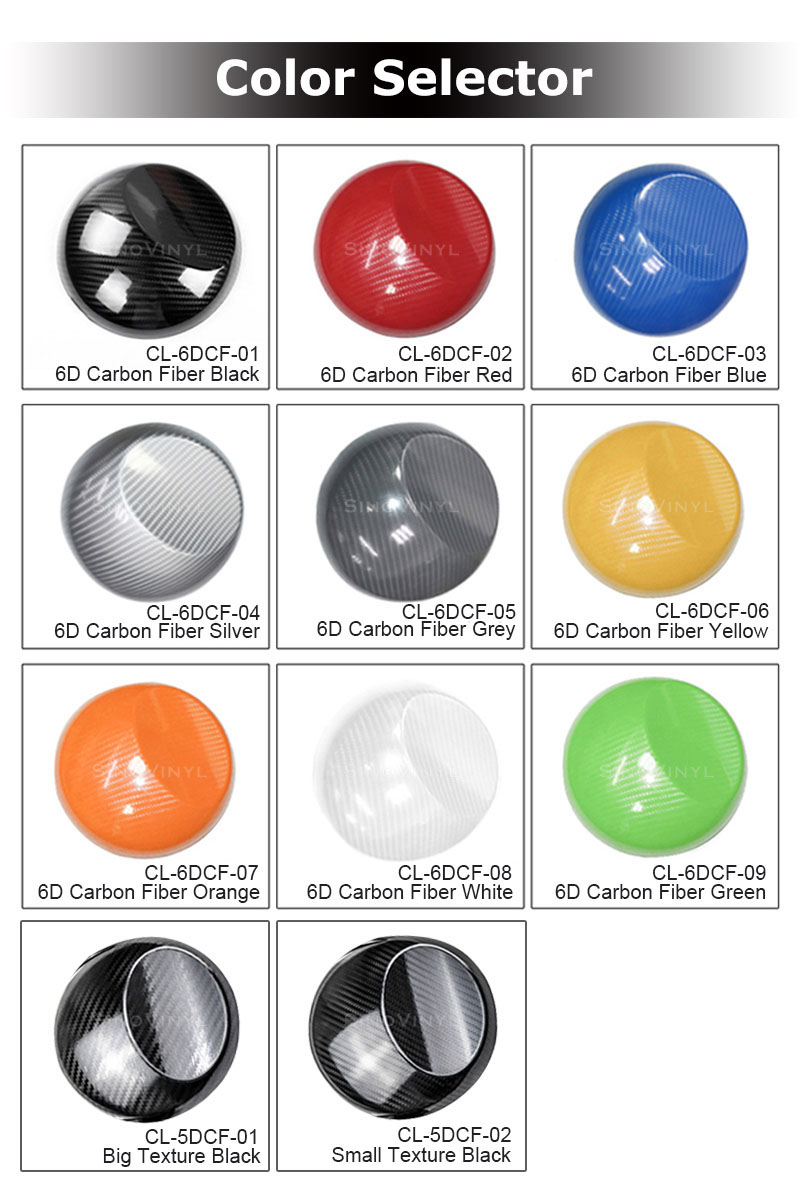
- Customizability: Available in various colors, textures, and patterns, allowing for customization according to personal preferences or branding requirements.
- Protection: Provides a layer of protection against scratches, UV rays, and minor impacts, helping to preserve the underlying surface.
- Ease of Removal: Can be removed without damaging the surface underneath, making it ideal for temporary applications or changes in design.
Disadvantages:
- Heat Resistance: Carbon fiber vinyl may not withstand high temperatures as well as real carbon fiber, limiting its use in certain automotive and industrial applications.
- Longevity: While durable, carbon fiber vinyl may not have the same lifespan as authentic carbon fiber, particularly in harsh environmental conditions.
- Application Challenges: Achieving a bubble-free application requires skill and experience, potentially leading to imperfections or the need for professional installation.
- Limited Structural Strength: Does not provide the structural strength or rigidity of real carbon fiber, limiting its use in load-bearing or high-stress applications.
- Cost Variation: Quality and durability can vary significantly between different brands and types of carbon fiber vinyl, affecting overall cost-effectiveness over time.
These points should give you a balanced view of both the advantages and disadvantages of using carbon fiber vinyl in various applications.


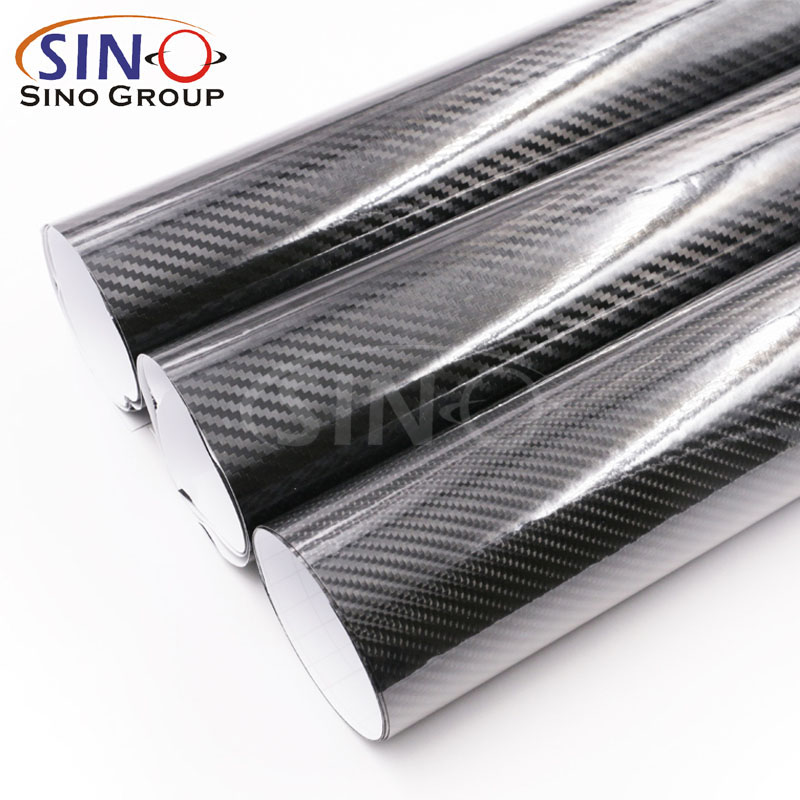
6D Carbon Fiber Vinyl