Removing paint protection film looks simple until something goes wrong. I have seen perfectly good paint suffer damage because someone rushed the process or ignored basic preparation. In a car wrapping shop, removing paint protection film demands the same level of care and precision as installing it. I will explains why proper removal matters, how to recognize the right time to remove old film, and what challenges usually appear along the way. I also share the tools I rely on, the temperature conditions I always check, and the exact step-by-step process I follow to remove film safely. You will learn how I protect vehicle paint during removal, how I handle stubborn adhesive residue, and which common mistakes wrapping shops should avoid. By the end, I explain when I recommend professional help instead of risking costly paint repairs. This post gives wrapping shops clear, practical tips for removing paint protection film with confidence and consistency.
1. Why Proper Removing Paint Protection Film Matters
Removing paint protection film affects more than just appearance. I treat removal as a critical service because it directly impacts the vehicle’s paint condition and the shop’s reputation. When I rush removal or ignore proper techniques, I risk pulling clear coat, leaving adhesive stains, or creating micro-scratches. Customers trust wrapping shops to protect their vehicles, not harm them. Proper removal also prepares the surface for reinstallation, ceramic coating, or vinyl wrapping. When I remove film correctly, I preserve paint integrity, reduce rework, and build long-term customer trust.

2. Signs It’s Time to Start Removing Paint Protection Film
I always inspect film condition before deciding on removal. Yellowing edges, cracking, bubbling, or lifting corners signal aging film that no longer protects paint. I also remove film when adhesive hardens due to prolonged sun exposure. In wrapping shops, I often see customers wait too long, which makes removing paint protection film harder and riskier. I recommend removal before the film reaches a brittle stage. Early action saves time, protects paint, and lowers labor costs.

3. Common Challenges When Removing Paint Protection Film
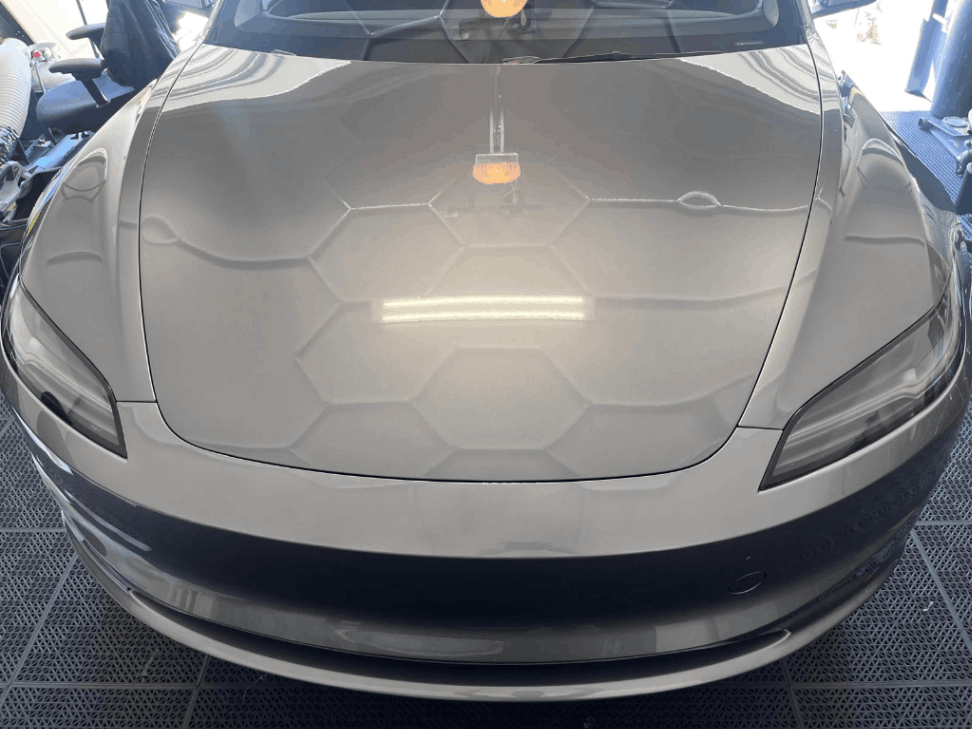
Every vehicle presents unique challenges. I often deal with hardened adhesive, tight curves, repainted panels, or thin factory clear coats. Older films resist peeling and tear into small pieces, which slows removal. Cold environments create stiff film that snaps instead of stretching. I approach these challenges with patience and preparation. When I expect difficulties, I adjust heat levels, pulling angles, and removal speed to maintain control.

4. Tools I Use for Removing Paint Protection Film Safely
I rely on specific tools to remove film safely and efficiently. A controlled heat gun or steamer helps soften adhesive without overheating paint. Plastic razor blades allow me to lift edges without scratching surfaces. Microfiber towels and adhesive removers help me clean residue after removal. I never use metal scrapers or harsh chemicals because they increase the risk of paint damage. The right tools make removing paint protection film predictable and professional.

5. Ideal Temperature Conditions for Removing Paint Protection Film
Temperature plays a major role in film removal success. I prefer working between 20°C and 30°C because the adhesive responds well within this range. Cold temperatures cause film to snap, while excessive heat weakens clear coat adhesion. When shop conditions vary, I warm panels evenly before pulling. I never overheat one area. Stable temperature control allows me to remove film in larger sections and reduces adhesive transfer.

6. Step-by-Step Process for Removing Paint Protection Film
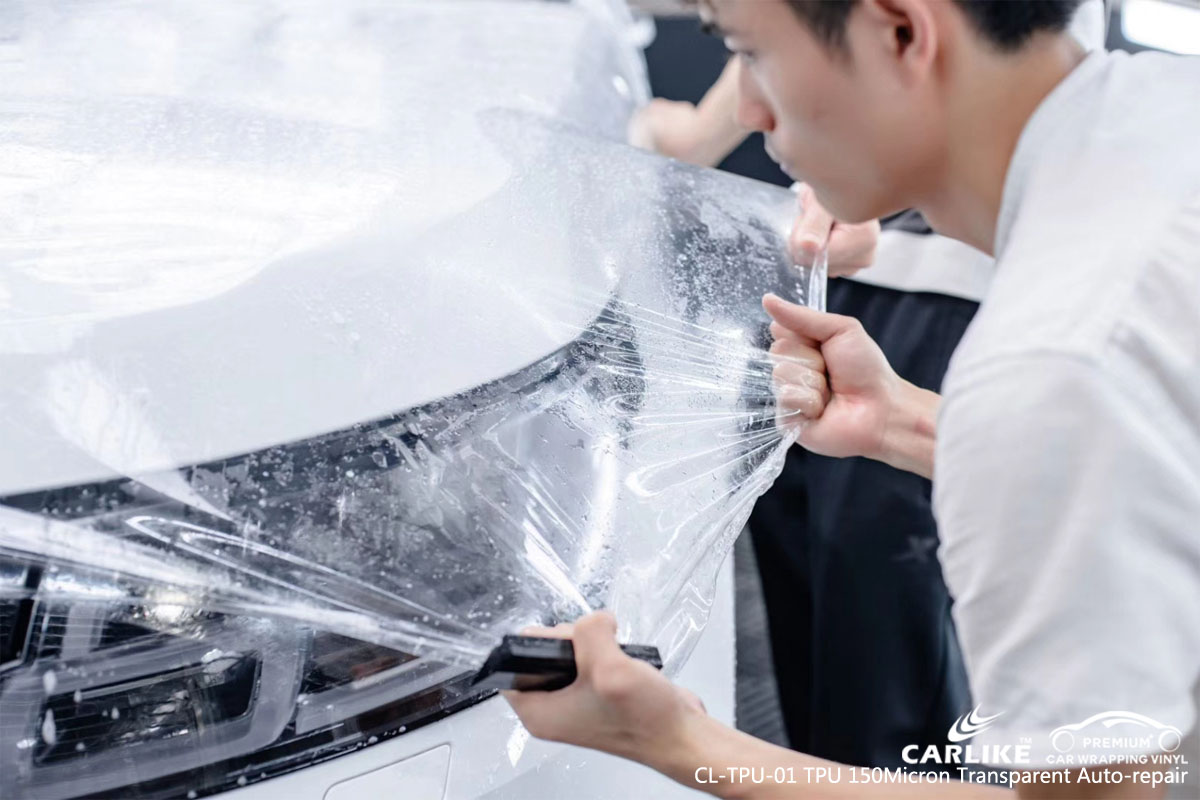
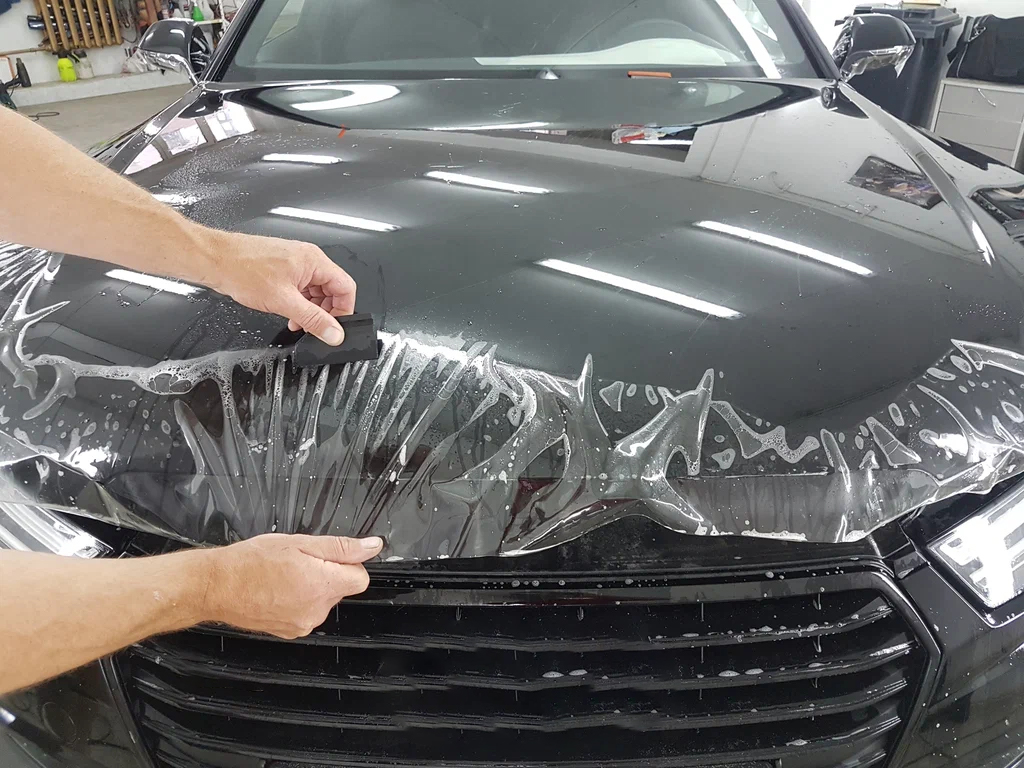
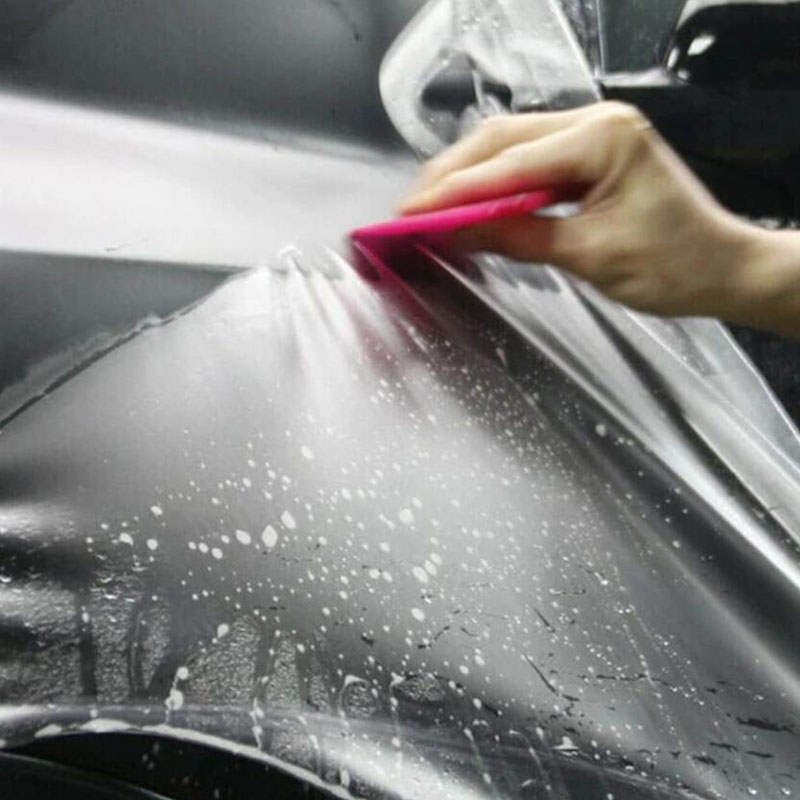
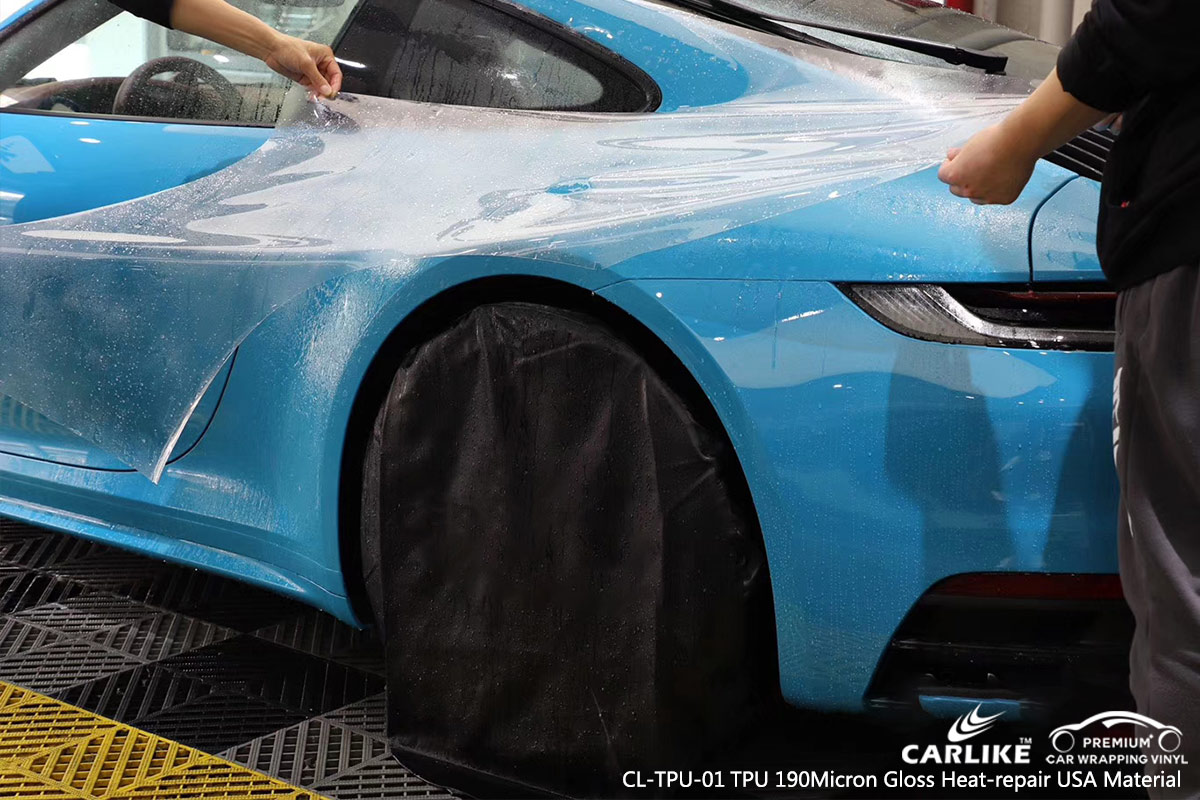
I always follow a structured process. I start by cleaning the surface to prevent dragging dirt across paint. Next, I heat a small corner and gently lift the film at a low angle. I pull slowly while maintaining consistent heat ahead of the peel line. I adjust my pulling direction based on panel shape. After removal, I inspect the surface immediately. This method keeps removal smooth and controlled, even on older films.

7. How I Avoid Paint Damage While Removing Paint Protection Film
I protect paint by controlling angle, speed, and temperature. I pull film back on itself rather than upward to reduce stress on clear coat. I slow down near edges, sensors, and repainted areas. I stop immediately if I feel resistance and reapply heat. I never force removal. These habits help me remove paint protection film without lifting paint or leaving marks.

8. Removing Paint Protection Film Adhesive Residue Effectively
Adhesive residue remains one of the most common complaints after removal. I address residue right away while the panel stays warm. I apply a paint-safe adhesive remover and let it dwell briefly before wiping with a clean microfiber towel. I avoid aggressive rubbing, which can mar paint. After cleanup, I wash and inspect the panel under proper lighting. Clean removal leaves the surface ready for new film or wrap installation.

9. Mistakes Wrapping Shops Make When Removing Paint Protection Film
I see wrapping shops make avoidable mistakes all the time. Many use excessive heat, which damages clear coat. Others pull film too fast or at steep angles. Some skip surface inspection and remove film from repainted panels without warning customers. I believe training and patience prevent most issues. When shops respect the removal process, they reduce liability and improve service quality.

10. When I Recommend Professional Help for Removing Paint Protection Film
Some situations require advanced experience. I recommend professional intervention when film covers repainted panels, high-end vehicles, or extremely aged installations. Severe adhesive bonding and unknown film brands also increase risk. In these cases, I prioritize paint preservation over speed. Referring complex jobs to experienced specialists protects both the vehicle and the shop’s reputation.

Removing paint protection film requires the same skill and attention as installing it. I approach every removal job with patience, proper tools, and a clear process because paint condition always comes first. When wrapping shops understand the right timing, temperature, techniques, and common mistakes, they reduce risk and deliver better results for customers. Careful removing paint protection film also prepares vehicles for new wraps, fresh PPF, or long-term protection. I believe shops that treat film removal as a professional service, not an afterthought, stand out in a competitive market and build lasting trust with every vehicle they handle.