When protecting your car’s paint, paint protection film (PPF) is a game-changer—but the real debate is: matte or gloss? Which is better?
Matte PPF provides a smooth appearance while gloss PPF produces a shiny reflective finish. The two finishes present different visual effects and operational characteristics. In this post, I’ll cover what matte PPF is, how it compares to gloss in terms of visuals, durability, ease of cleaning, scratch & UV protection, and which hides imperfections better.
We’ll also discuss cost, which finish suits which cars, and my personal take on the smarter choice. You will find the perfect PPF that matches your desired level of gloss and matte finish for both style and long-term protection of your vehicle.
So, matte or gloss—which is really better for you?

1. What Is Matte Paint Protection Film?
The first step requires understanding what matte paint protection film (PPF) represents as a product.
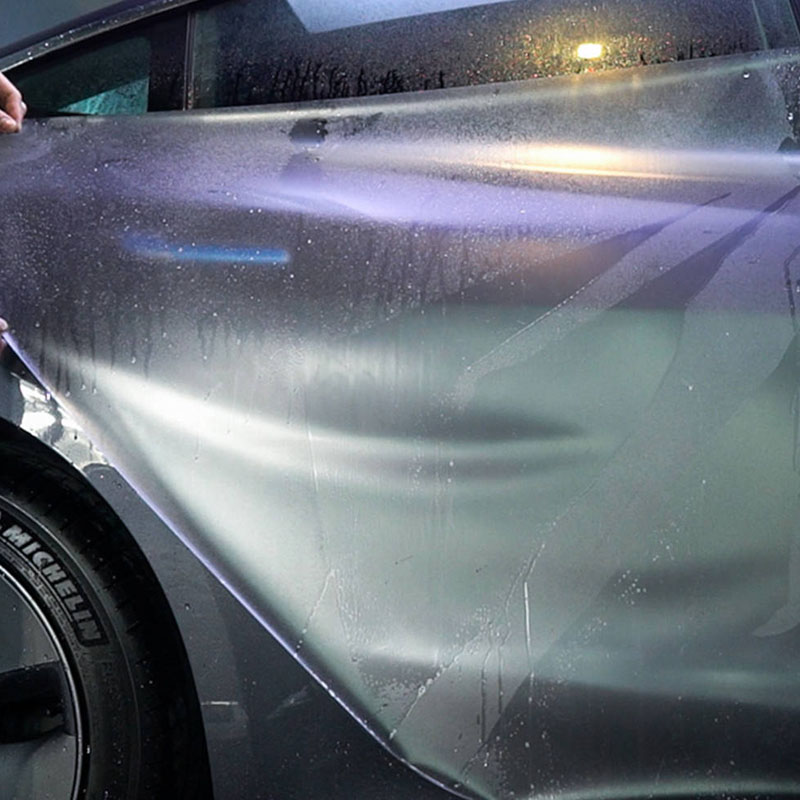
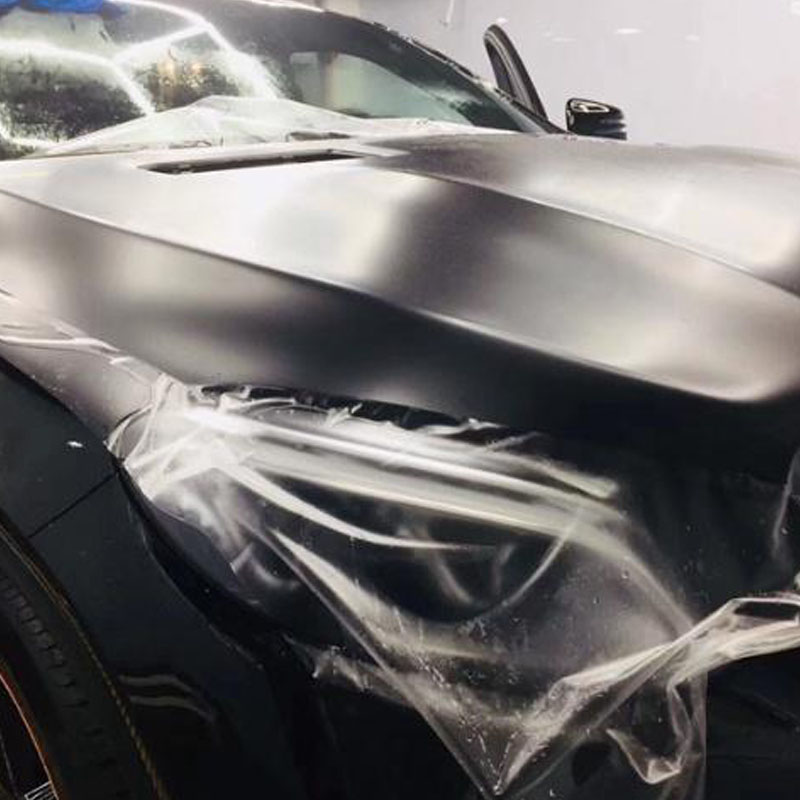
The thin transparent urethane-based film of matte PPF serves as a protective coating which gets installed directly onto car paint surfaces. The protective function of matte PPF matches gloss PPF by defending your original paint against scratches and rock chips and bug splatters and UV exposure and everyday damage.
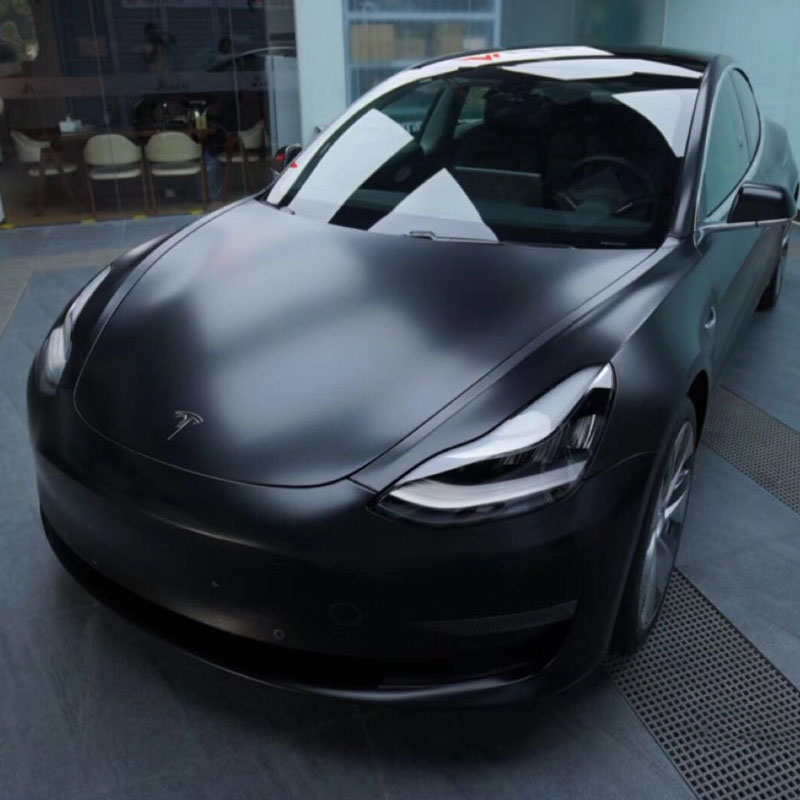
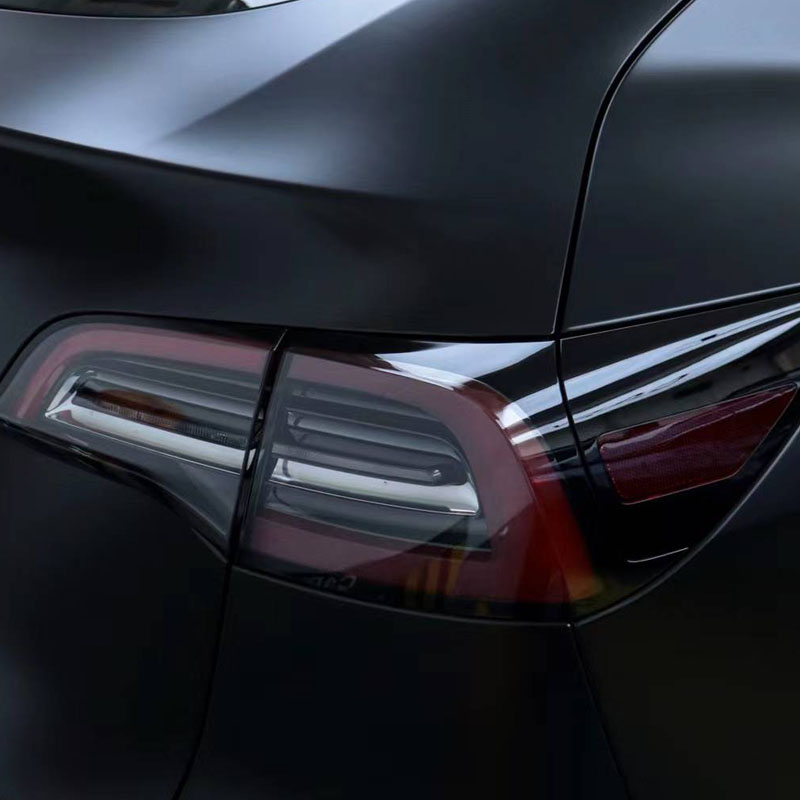
The protective film features a flat non-reflective finish which produces a smooth and edgy appearance on your vehicle. The matte finish of your car maintains its signature appearance through matte PPF installation which also provides protective coverage.
The product has gained widespread acceptance among car owners who drive dark paint colors including black, gray and deep blue because it produces a sophisticated stealthy appearance without needing an expensive complete matte paint application.
2. Understanding Gloss Paint Protection Film
Now let’s flip the script and look at the more traditional option: gloss paint protection film.
Most people associate Gloss PPF with the term “clear bra” and paint protection. Gloss PPF functions as a clear durable urethane film that maintains the original glossy finish of factory paint surfaces. Gloss PPF exists to protect your paint while maintaining the reflective appearance of a freshly washed vehicle.
The main function of gloss PPF serves protection as its main goal while providing attractive results as a secondary benefit yet it achieves both objectives effectively. The protective coating defends your vehicle against stone chips and bug impacts as well as road dirt and UV light degradation and light scratches. The transparent nature of this coating protects your paint finish without changing its appearance. The protective coating enhances paint appearance by deepening its color and making it appear richer and more vibrant as time passes.
The popularity of Gloss PPF stems from its ability to work with all vehicle colors while providing discreet protection that it has been available for a longer period than matte versions and most installers have experience working with it suits drivers who want to maintain their vehicle’s original look. The product remains accessible in the market because.
The main issue with gloss film is that it reveals all minor flaws that appear on its surface. The glossy finish makes imperfections such as swirl marks and dust and water spots and light scratches more noticeable so you must polish and clean it frequently to achieve a perfect shine.

3. Matte vs Gloss: Visual Appearance Comparison
The main difference between matte and gloss PPF becomes apparent through visual inspection which determines your final selection.
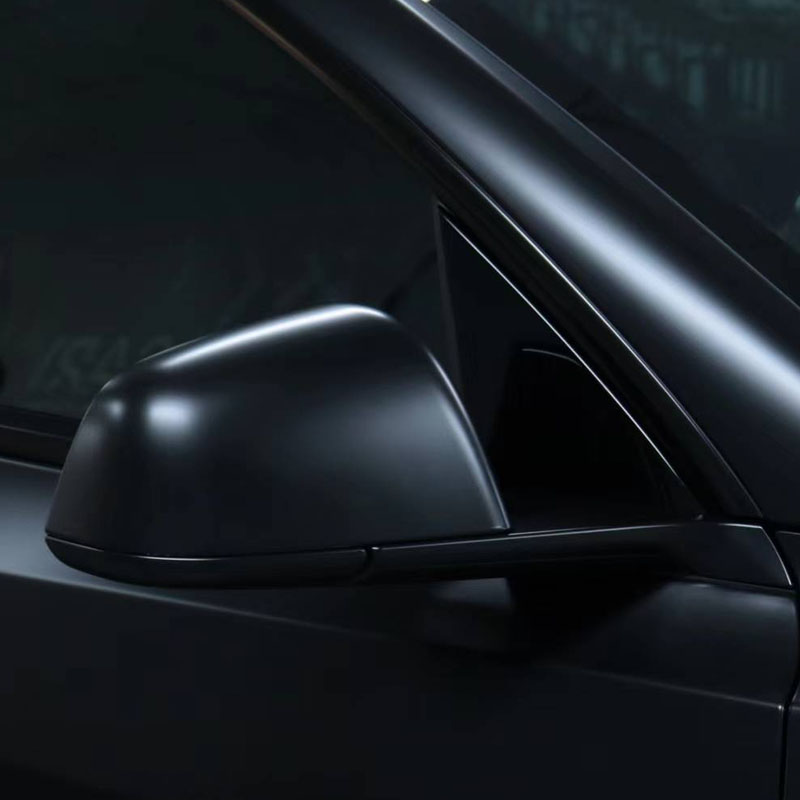
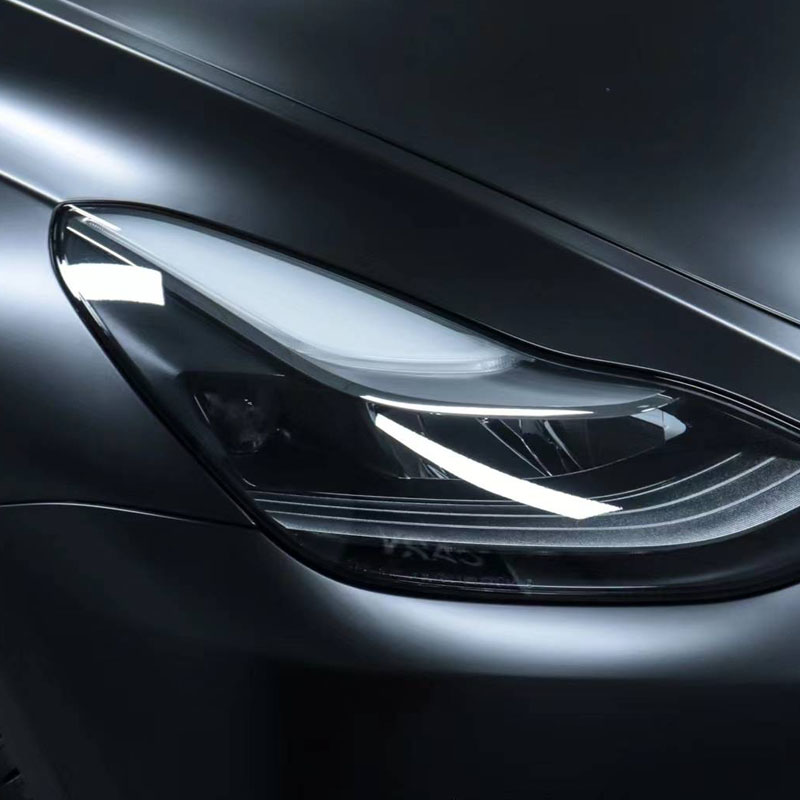
The matte PPF finish produces a flat non-reflective appearance on your vehicle. The finish presents a smooth appearance which creates a modern look. The matte finish works differently than gloss because it absorbs light instead of reflecting it which produces a refined muted appearance. The matte finish appears on luxury vehicles and custom cars which have stealth or tuner designs. Matte PPF provides an excellent solution to create a low-profile edgy unique appearance on your vehicle without requiring a complete matte paint job.
The reflective qualities of your car’s paint become more pronounced when you apply gloss PPF. Gloss PPF enhances paint color depth while making black surfaces appear deeper and reds become more intense and whites become brighter. The finish presents a traditional appearance that remains elegant throughout time. Gloss PPF maintains the showroom shine of most factory paints while providing protective armor to your vehicle.
People choose between matte and gloss finishes based on their individual preferences. The decision between matte and gloss finishes depends on whether you want your car to display a contemporary understated appearance or a shiny eye-catching finish. The appearance of both finishes can be beautiful but it depends on the specific message you wish to convey.
4. Durability: Does Matte PPF Last as Long as Gloss?
A big question among car owners is: which one lasts longer? Matte or gloss PPF?
The good news is—both matte and gloss PPF are made from similar urethane materials, and when installed properly by a professional, either can last 5 to 10 years or more, depending on driving conditions, climate, and maintenance.
That said, there are some nuances in durability worth noting.
Matte PPF displays wear patterns that differ from those of gloss finishes. The non-reflective nature of matte surfaces makes minor scratches and scuffs harder to detect initially yet dirt and oils and dust particles tend to cling to matte finishes which results in faster hazing when the surface remains unclean. Modern matte PPFs feature anti-smudge coatings which help reduce the occurrence of fingerprints and smudges but these films still show increased sensitivity to marking.
The Gloss PPF exhibits outstanding resistance to yellowing and UV damage and high-quality brands provide excellent self-healing capabilities for light scratches. The shiny surface of Gloss PPF reveals all imperfections which creates a false impression of decreased durability even though the film remains intact.
The protection against rock chips and UV rays and daily accidents is excellent for both types of glass. The main distinction between these two types of glass exists in their visual degradation patterns rather than their physical durability.

5. Ease of Cleaning and Maintenance
Let’s talk real talk: how easy is it to keep your matte or gloss PPF looking clean?
The matte finish requires additional care for its maintenance because it shows dirt and water spots and fingerprints and dust more clearly than glossy surfaces. The application of standard car cleaners or waxes on matte finishes results in damage because they create residue and produce glossy effects on certain areas.
Matte PPF requires special cleaners and microfiber cloths for cleaning while you should never use products that create shine or protective coatings. The upside? The maintenance of matte PPF becomes manageable when you learn appropriate cleaning products and techniques.
Gloss PPF, on the other hand, is much easier to clean in the sense that water beads up and rolls off more easily, and dirt is often less visible. But because it shows every swirl mark, dust particle, and fingerprint, you might find yourself cleaning it more often just to maintain that “flawless” look. Gloss surfaces respond well to traditional car care products, but again, wax is unnecessary since PPF is already providing the protection.
The final result depends on your specific needs. The maintenance requirements for matte finishes involve gentle cleaning methods while gloss finishes need regular cleaning but both types require specific care for optimal appearance.
6. Protection Performance: UV, Chips, and Scratches
When it comes down to it, both matte and gloss PPF are designed first and foremost for protection.
They shield your car’s paint from:
- •UV rays, which can cause fading or oxidation
- •Rock chips and road debris
- •Bug splatters and bird droppings
- •Minor scratches and abrasions from daily driving
Both types of PPF are made from self-healing urethane, which means light scratches can actually disappear with heat (like from the sun or warm water). They’re also hydrophobic, meaning water beads and rolls off, taking dirt with it.
The protection levels of PPF films against different types of damage show minimal variation between matte and gloss finishes. The matte finish provides better concealment of small scratches because it does not reflect light but gloss PPF reveals all minor imperfections until professional polishing occurs.
The UV protection performance of both PPF types remains excellent but gloss films from lower-quality manufacturers might experience yellowing after extended use. The flat appearance of matte PPF stays intact for longer periods because it resists fading and discoloration which helps it appear newer for longer.
Either way, you’re getting top-tier protection with both options—you’re just choosing how you want that protection to look.

7. Which One Hides Imperfections Better?
The choice between different films depends on your preference for which one conceals minor paint imperfections such as swirl marks and light scratches more effectively.
The answer: matte PPF.
The matte finish of PPF hides small paint imperfections because it does not reflect light so scratches and swirls and orange peel textures become less noticeable after application. The matte PPF finish provides a fresh uniform appearance to imperfect or older paint surfaces which makes it a preferred choice for people who want to avoid complete repainting.
Gloss PPF, by contrast, shows every little flaw. Swirl marks, dust, water spots, and scratches are much more obvious on a shiny surface. That’s not necessarily a downside—it just means your paint (or the film itself) needs to be in better condition before application, or you’ll see those marks clearly.
So if you’re working with a car that’s seen some love (or wear), and you want to mask those minor flaws, matte PPF is definitely the more forgiving option.
8. Matte PPF: Stylish or Risky for Certain Cars?
Not every car looks better with a matte finish—and that’s something to consider before choosing matte PPF.
Matte PPF works best on contemporary vehicles with sporty or luxury designs which suit dark color schemes including black, gray and deep blue. The finish creates a sophisticated appearance that makes vehicles appear custom-made while remaining understated.
Matte finishes work best for specific car designs and paint colors but they do not match all vehicle styles or color schemes. White and silver car finishes appear unpolished and unfinished when matte film application or maintenance fails to meet standards. Glossy finishes create the best appearance on classic and vintage cars because they enhance their classic design elements.
The use of matte PPF restricts your ability to make future modifications to your vehicle. The process of applying decals and tints and washing your car becomes more complicated with matte PPF. The ability to change your car’s appearance and add accessories will be limited if you choose matte PPF.
The choice of matte PPF depends on your car design because it creates a bold modern or stealthy appearance when used correctly.

9. Cost Comparison: Matte vs Gloss Paint Protection Film
Cost is always a factor—and yes, there is a difference between matte and gloss PPF, though not always huge.
Generally speaking:
- •Gloss PPF is usually more affordable and widely available.
- •Matte PPF tends to cost a bit more, both in terms of the material itself and the installation process.
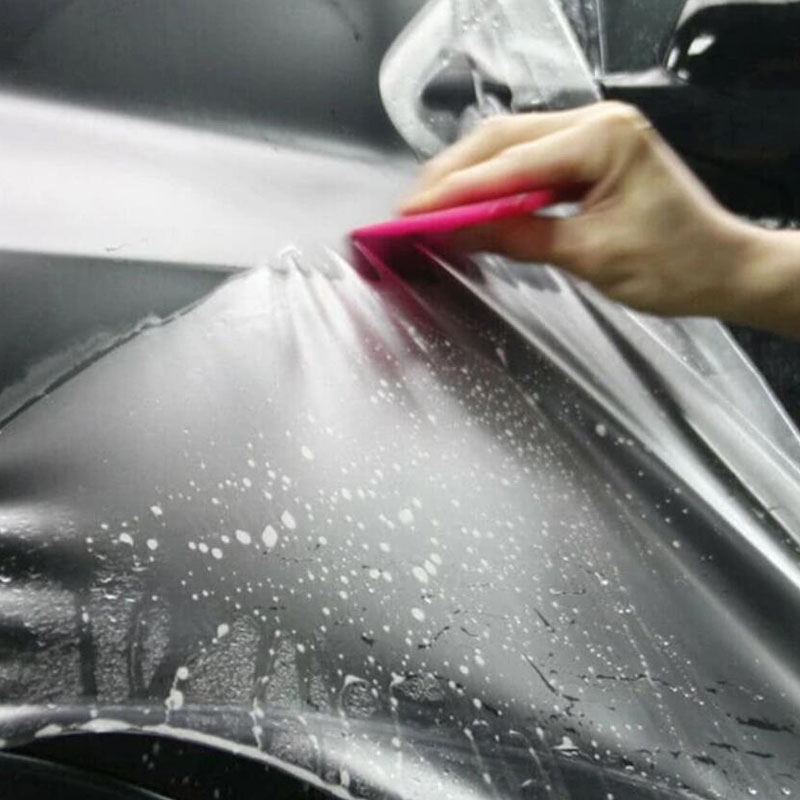
Why? Matte PPF needs specific materials that maintain flatness and requires additional attention during installation to prevent streaks the price and the quality of the work. and bubbles and accidental gloss marks. The level of experience that installers have with matte film affects both
Standard cleaning products for gloss surfaces will cost less than matte-specific maintenance products which include cleaners and coatings.
That said, both options are a fraction of the cost of repainting your car, and both offer incredible long-term value when it comes to preserving your vehicle’s appearance and resale value.

10. Which Should You Choose? My Personal Take
At the end of the day, the choice between matte and gloss PPF comes down to your personal style, your car’s design, and how much time you want to spend maintaining it.
If you love a modern, stealthy, edgy look and don’t mind a slightly more hands-on maintenance routine, matte PPF is an amazing choice. It hides imperfections, gives your car a unique vibe, and still offers top-tier protection. It’s perfect for someone who wants to stand out without being flashy.
If you prefer a classic, clean, high-shine look and want something that’s easier to maintain and universally appealing, gloss PPF is the way to go. It enhances your car’s natural beauty, protects it like a pro, and fits just about any vehicle style.
Personally? I lean toward matte PPF for custom or modern builds, especially when the owner wants a low-maintenance yet head-turning look. But for daily drivers or classic cars, gloss is a safe, stylish, and practical bet.
Whichever you choose, you’re making a smart investment in protecting your car’s paint while keeping it looking amazing. No wrong answers—just the right finish for you.

Conclusion:
The decision between matte and gloss paint protection film depends on your personal taste and car design and your willingness to perform regular maintenance tasks. The protection provided by both matte and gloss paint protection film against scratches and UV rays and daily wear makes them equally effective options. Matte PPF provides a modern stealthy appearance which conceals imperfections yet demands occasional cleaning and smudge prevention. Gloss PPF provides a natural shine boost to vehicles while being simple to care for and suitable for all car models. Your car paint protection investment through matte or gloss PPF will lead to excellent results because both options deliver superior protection and maintain your vehicle’s appearance for multiple years. Your vehicle and personal style determine which paint protection film type suits you best.
🔍 Common Questions & Answers: Matte Film vs Gloss Paint Protection Film
1. What is the difference between matte and gloss paint protection film?
Answer:
The main difference is in the finish. Matte PPF has a non-reflective, flat appearance that gives your car a smooth, stealthy look. Gloss PPF enhances the shiny, reflective qualities of your car’s paint, making colors look deeper and more vibrant. Both protect against scratches, chips, and UV rays, but they offer different visual effects.
2. Which is better: matte or gloss paint protection film?
Answer:
There’s no definitive “better” option—it depends on your style preference.
- •Choose matte PPF if you want a modern, stealthy, non-reflective look.
- •Choose gloss PPF if you prefer a shiny, vibrant, factory-like finish.Both offer excellent protection, so it’s mostly about aesthetics and how much upkeep you’re willing to do.
3. Does matte paint protection film scratch easily?
Answer:
Matte PPF can scratch like any film, but many high-quality versions have self-healing properties for light scratches. However, matte film shows dust, fingerprints, and smudges more easily, so it may lookscratched or dirty with less effort. Proper care helps maintain its appearance.