History and Development
Origins
Brief History of Carbon Fiber
Carbon fiber has its origins in the late 19th century. Thomas Edison created the first carbon fibers in 1879 for use in light bulbs. However, it wasn’t until the mid-20th century that carbon fiber as we know it today began to take shape. In the 1950s, researchers at the Royal Aircraft Establishment in England developed high-strength carbon fibers using a process that involved heating strands of rayon until they carbonized.
The breakthrough came in the 1960s when Dr. Roger Bacon, working at Union Carbide, produced carbon fibers from polyacrylonitrile (PAN). This method resulted in fibers that were significantly stronger and lighter than steel. By the 1970s, these high-performance carbon fibers were being used in aerospace, military, and sporting goods industries due to their exceptional strength-to-weight ratio.
Development of Vinyl Technology to Replicate Carbon Fiber
Vinyl technology has evolved significantly since its inception, particularly in the field of decorative and protective films. Polyvinyl chloride (PVC) was first polymerized in 1872, but it wasn’t widely commercialized until the 1920s. By the latter half of the 20th century, advancements in printing and polymer chemistry allowed for the development of vinyl films that could mimic various textures and patterns.
The replication of carbon fiber’s appearance in vinyl began as a cost-effective alternative for automotive and consumer electronics markets. This development was driven by several factors:
- Aesthetic Appeal: Carbon fiber’s unique weave pattern and glossy finish became a sought-after look in high-end products. Manufacturers sought to replicate this look at a fraction of the cost of real carbon fiber.
- Cost Efficiency: Real carbon fiber is expensive and labor-intensive to produce. Vinyl wraps offer a more affordable option for achieving the same aesthetic without the high cost.
- Ease of Application: Vinyl wraps can be easily applied and removed without damaging the underlying surface. This makes them popular for both permanent and temporary applications, such as vehicle wraps and interior design.
- Versatility: Vinyl can be produced in large sheets and cut to fit various shapes and sizes, making it highly versatile for different applications.
- Durability: Advances in vinyl technology have led to products that are not only visually convincing but also durable, resistant to UV light, and capable of withstanding the elements.
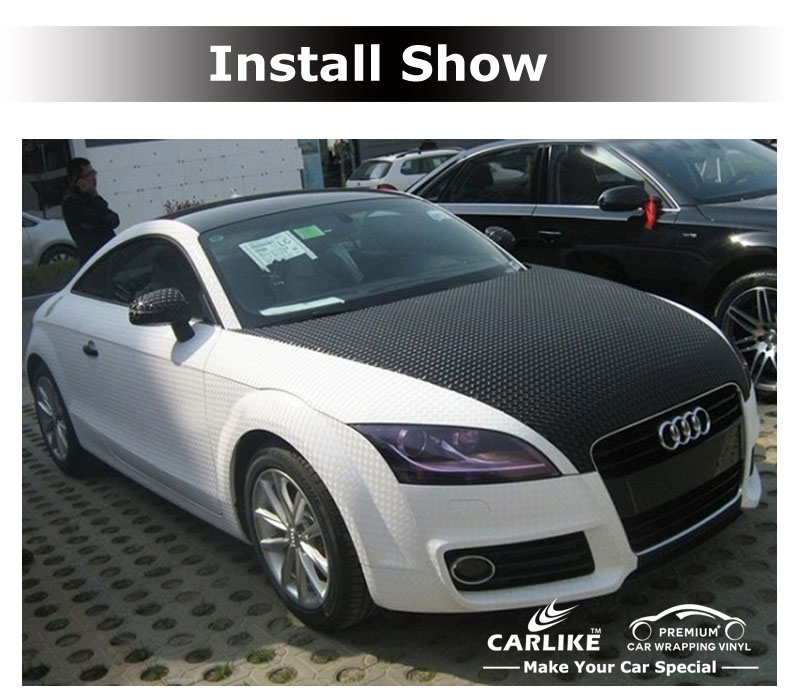
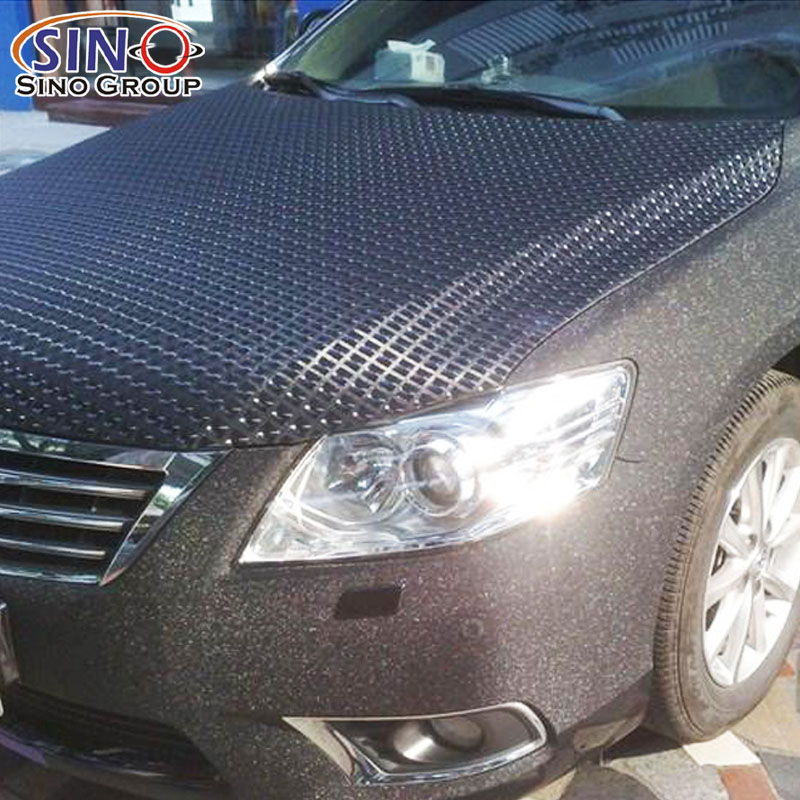
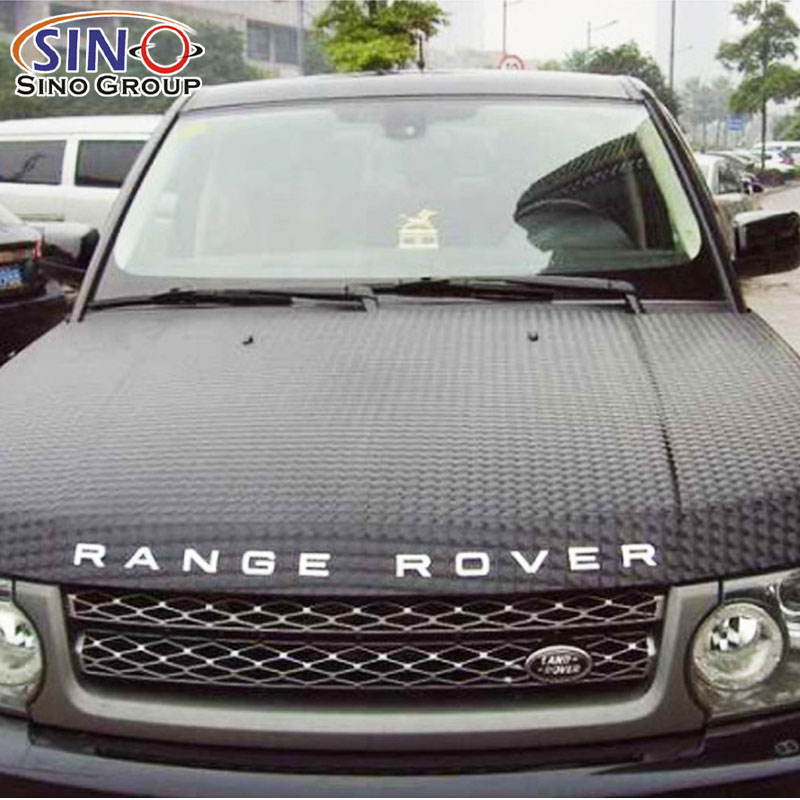
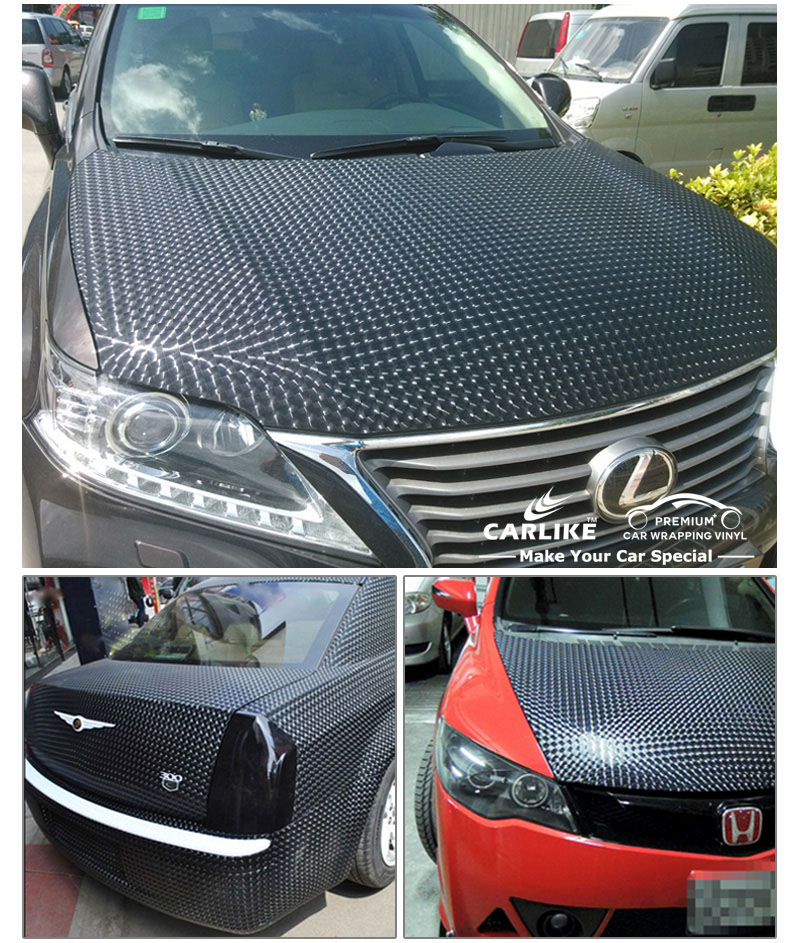
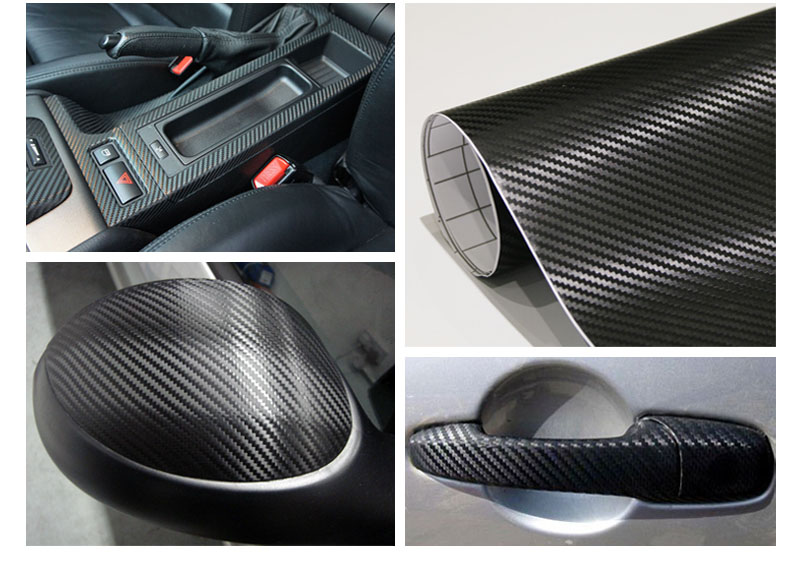
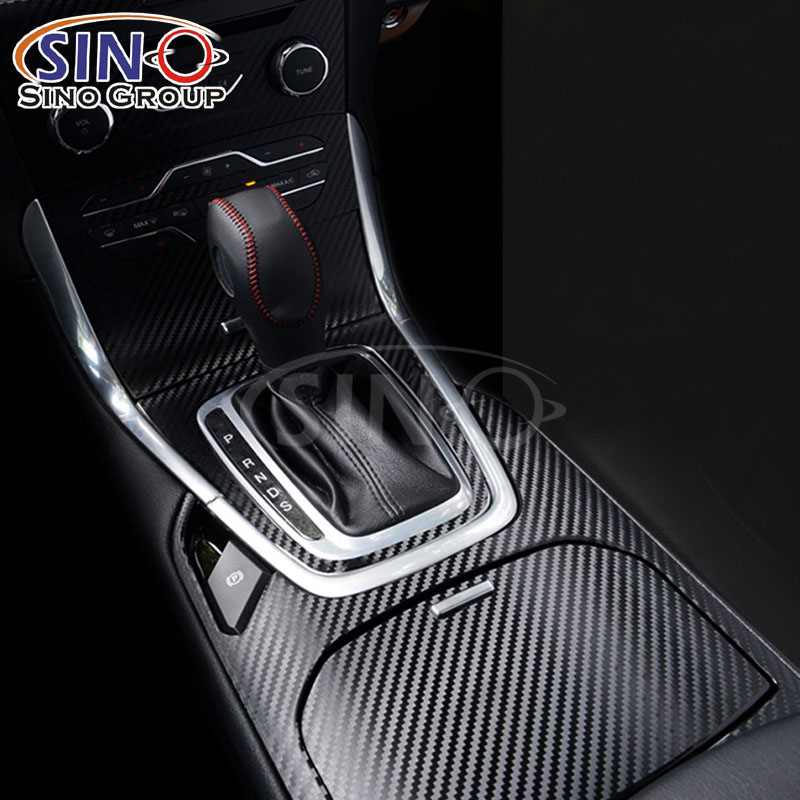
Today, carbon fiber vinyl is used extensively in automotive customization, consumer electronics, and even architectural design, providing a high-tech look without the associated costs and complexities of real carbon fiber.


Black 3D Carbon Fiber Vinyl