Cost Considerations of Sunroof Vinyl Film
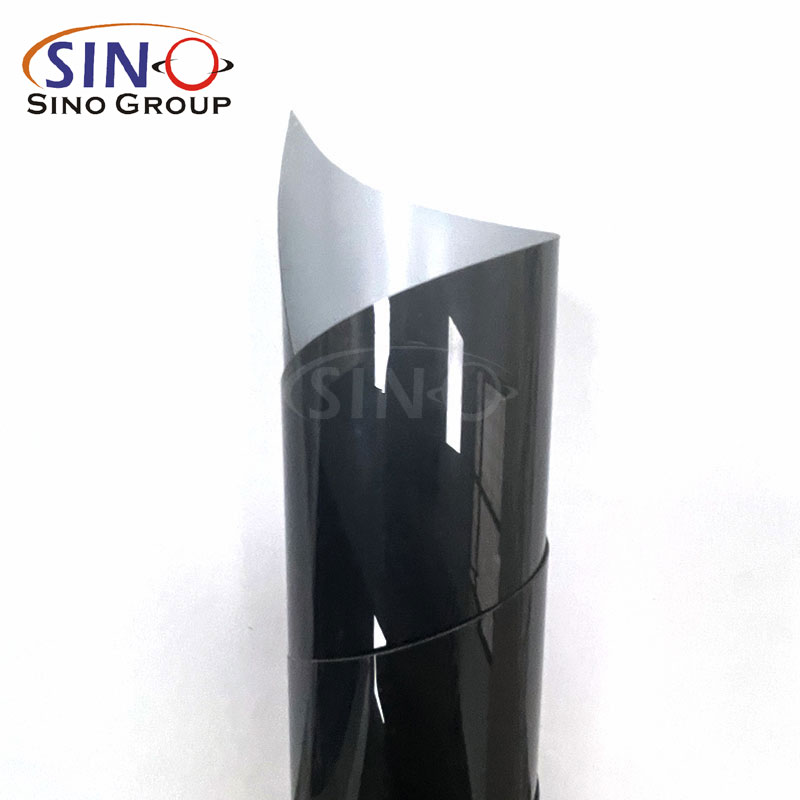
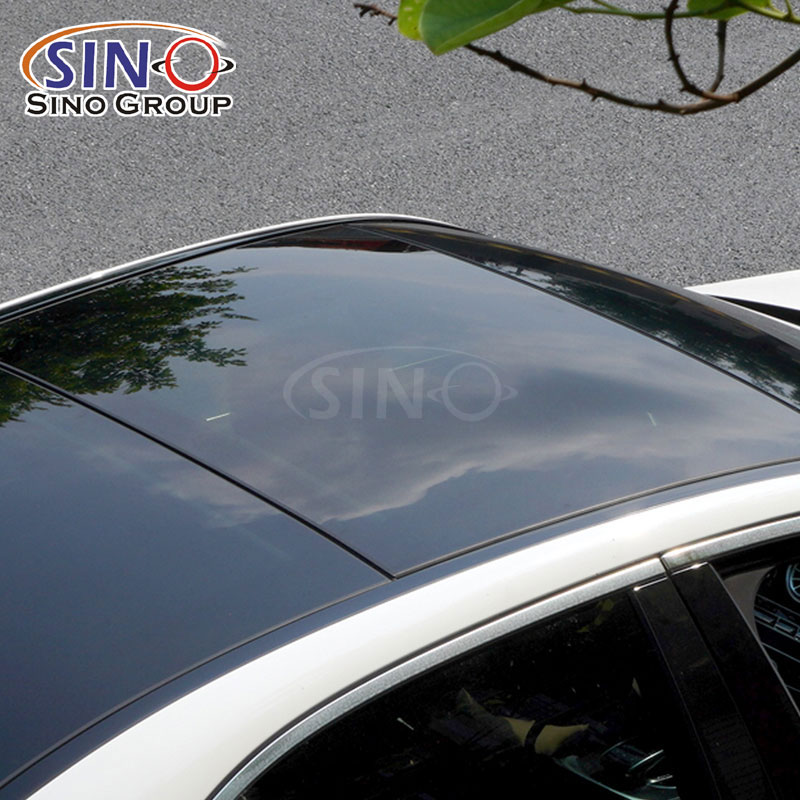
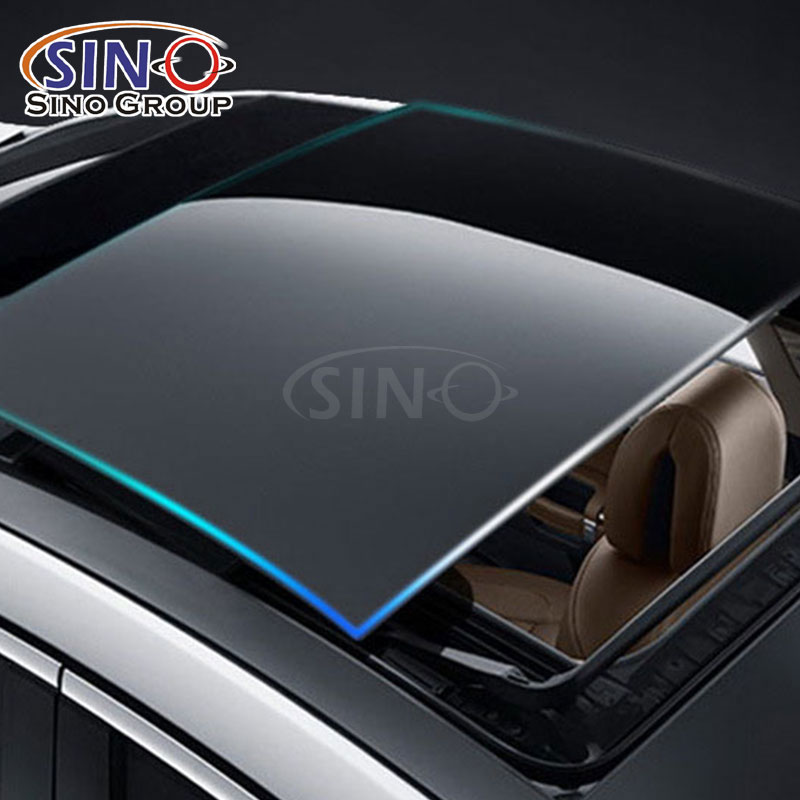
Sunroof vinyl film is a popular upgrade for vehicle owners, providing both aesthetic appeal and functional benefits, such as UV protection and heat reduction. However, before investing in sunroof vinyl film, it’s essential to understand the various cost factors involved. This article explores the primary pricing components, including material costs, installation fees, and other factors that influence the overall price.
Material Costs of Sunroof Vinyl Film
1. Types of Vinyl Film
When it comes to sunroof vinyl film, there are various types available, each with its own price range:
- Standard Films: These are the most basic vinyl films, typically used to give the sunroof a sleek appearance without additional features. Standard films are generally the least expensive.
- Tinted Films: Tinted vinyl films offer increased privacy and help reduce the glare from sunlight. These films tend to cost more than standard options but provide added benefits.
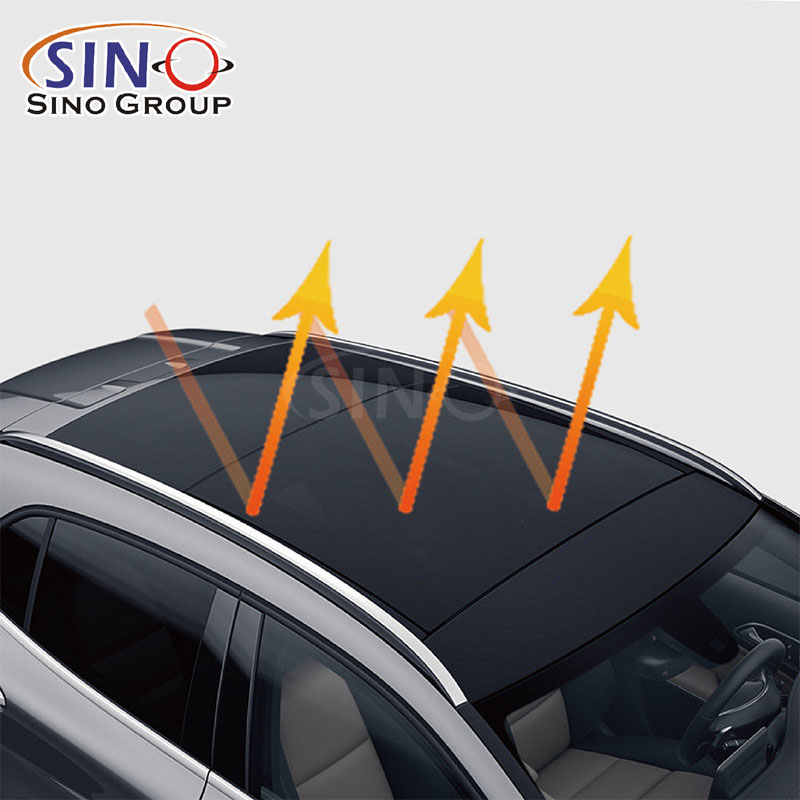
- Reflective and UV-Protective Films: For those seeking more advanced features, reflective films with UV protection are designed to block harmful rays and reduce heat inside the vehicle. These films are among the most expensive due to their specialized function.
2. Quality and Durability
The quality of the sunroof vinyl film plays a significant role in its cost. While basic films are more affordable, they are often thinner and less durable, making them prone to quicker wear and tear. Premium films, on the other hand, are made from higher-quality materials, ensuring longer-lasting performance and better protection. Premium options typically cost more upfront but offer superior durability and resistance to fading or peeling.
3. Customization Options
Many car owners opt for custom designs, colors, or finishes to give their sunroof a unique look. Special finishes, such as matte, gloss, or printed designs, can significantly increase material costs. Additionally, special effects films, such as holographic or carbon fiber effects, add a personalized touch but also raise the price due to the specialized production process.
4. Estimated Price Range
The cost of sunroof vinyl films varies depending on the type and quality. For basic films, you can expect to pay between $50 and $100 per square foot. Premium films with advanced features, such as UV protection or custom finishes, typically range from $100 to $200 per square foot.
Installation Fees for Sunroof Vinyl Film
1. Professional Installation
For a high-quality and long-lasting result, professional installation is recommended. Installers charge based on several factors, including the complexity of the sunroof’s shape and the type of vehicle.
- Professional installation fees can vary widely. Standard installations might cost between $100 and $300, while more complex jobs, such as those involving panoramic sunroofs, can range from $300 to $500.
- The vehicle type also influences installation costs, as certain designs may require more time and effort, leading to higher labor fees.
2. Labor Costs by Region
Installation fees are also influenced by location. In urban areas, where demand is high, installers often charge more due to the higher cost of living and operating expenses. In contrast, rural areas typically have lower labor costs, where prices can be more affordable.
3. DIY Installation
For those looking to save money, DIY installation can reduce expenses by eliminating labor fees. However, DIY application comes with risks. Improper installation may lead to issues such as bubbling, peeling, or uneven finishes, which may eventually require additional material or professional correction. In the long run, this can offset any initial savings.
Size and Complexity of the Sunroof
1. Standard vs. Panoramic Sunroofs
The size of the sunroof has a direct impact on the total cost. Standard sunroofs are smaller and typically require less material, making them more affordable to install. In contrast, panoramic sunroofs cover a larger area, which means more vinyl film is needed, increasing both material and labor costs.
2. Custom or Irregular Shapes
Custom sunroof designs or irregular shapes also affect the cost. A unique or extended design requires more precise cutting and application, which may increase installation fees due to the extra time and effort involved.
Additional Cost Factors
1. UV and Heat Protection
Vinyl films that offer advanced UV and heat protection are generally more expensive than standard films. These specialized films are designed to reduce interior temperatures by reflecting sunlight and blocking harmful UV rays, providing additional comfort and protection. The advanced technology involved in manufacturing these films contributes to their higher price point.
2. Long-Term Maintenance
Higher-quality films tend to last longer, which can save money on replacements or repairs in the future. While premium films have a higher upfront cost, their durability means they won’t need to be replaced as often as cheaper alternatives, leading to long-term savings.
3. Warranties
Many sunroof vinyl films come with warranties that cover potential damage or peeling over time. Films with extended warranties might have a higher initial cost but offer peace of mind, as any repairs or replacements needed during the warranty period are typically covered. This can help mitigate unexpected repair costs and contribute to overall savings.
Conclusion
When considering sunroof vinyl film, the total cost is influenced by various factors, including material quality, installation fees, sunroof size, and customization options. While higher-quality materials and professional installation may have a steeper initial cost, they offer greater durability and long-term value. By understanding these pricing factors, vehicle owners can make informed decisions based on their budget and needs, ensuring they select the best option for their sunroof vinyl film upgrade.