Introduction
Paint protection film (PPF) has become a popular choice for vehicle owners looking to preserve the appearance of their cars. Designed to protect against scratches, chips, and environmental damage, PPF offers a protective layer that can significantly impact a vehicle’s long-term maintenance. But is the investment in paint protection film truly worth it? This article delves into the costs associated with PPF, potential savings, and whether it represents a sound financial decision for car owners.
Initial Installation Costs
The first consideration when evaluating PPF is the installation cost. The price of paint protection film can vary widely based on several factors:
- Vehicle Size: Larger vehicles typically require more film, leading to higher costs.
- Type of Film: Different brands and qualities of film can affect pricing. High-end options may offer better durability and clarity but come at a premium.
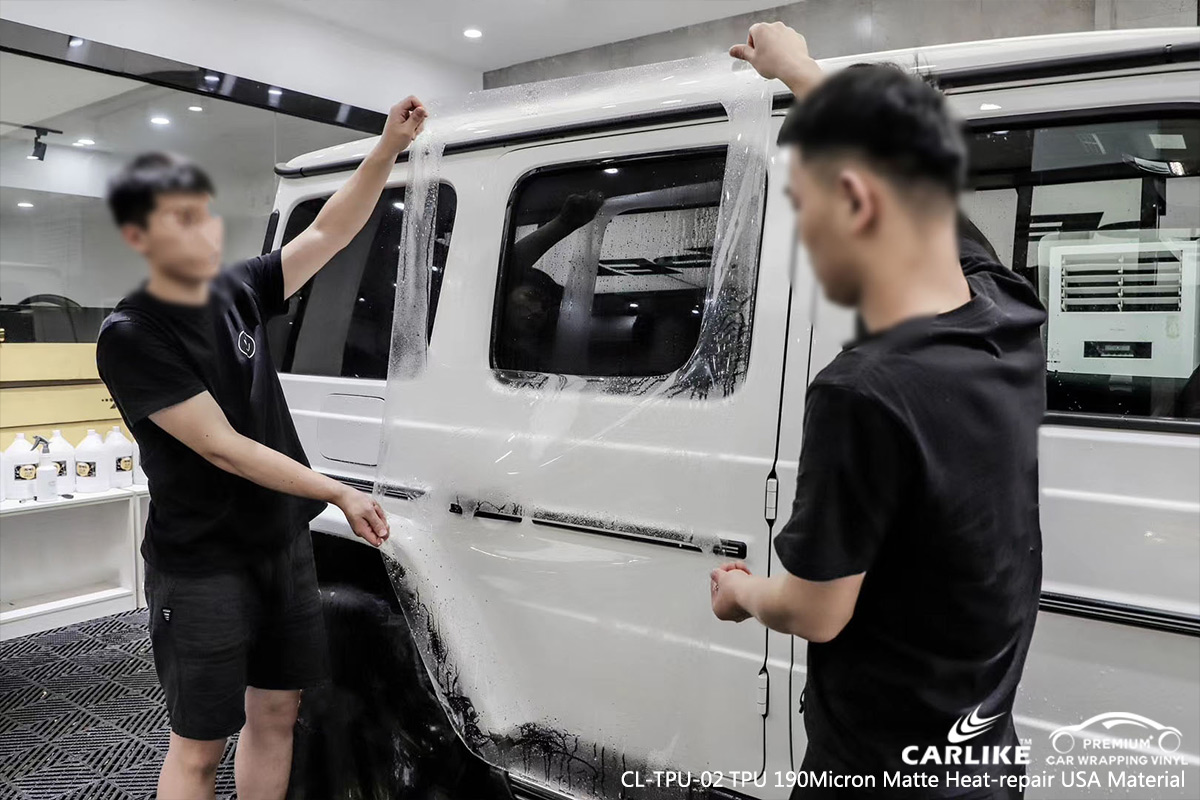
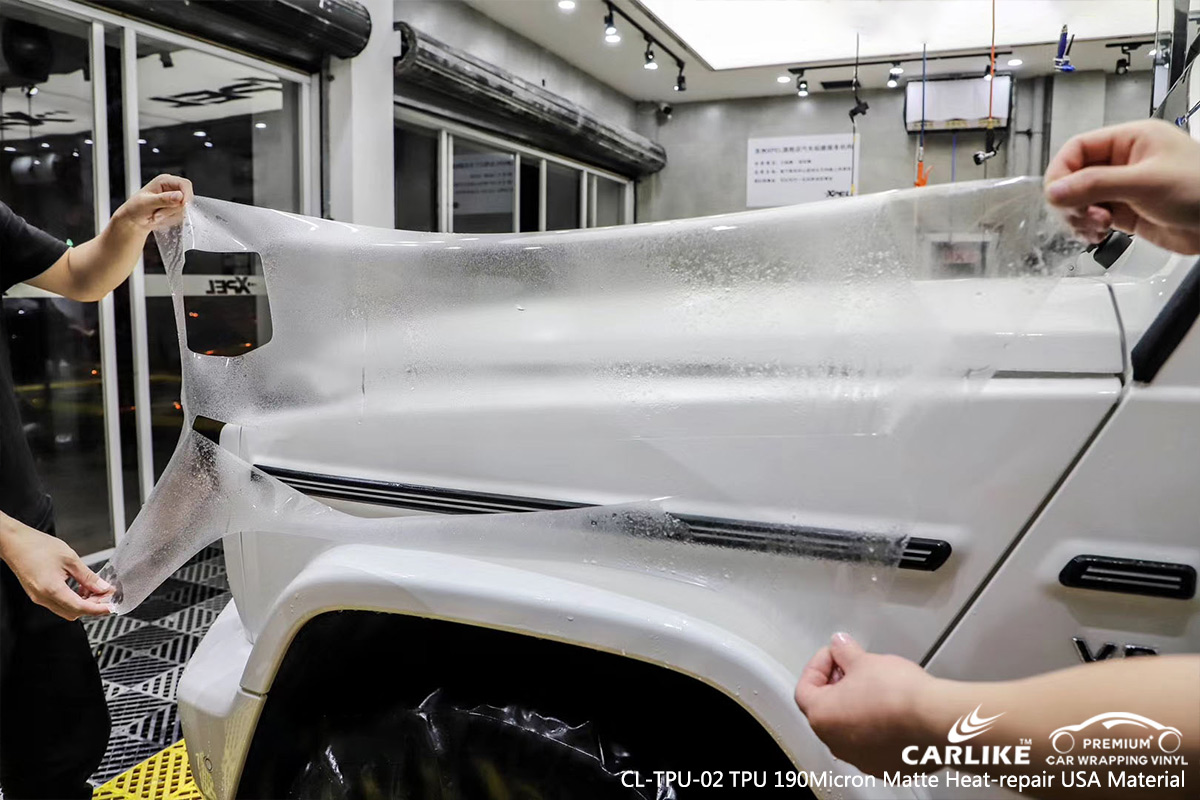
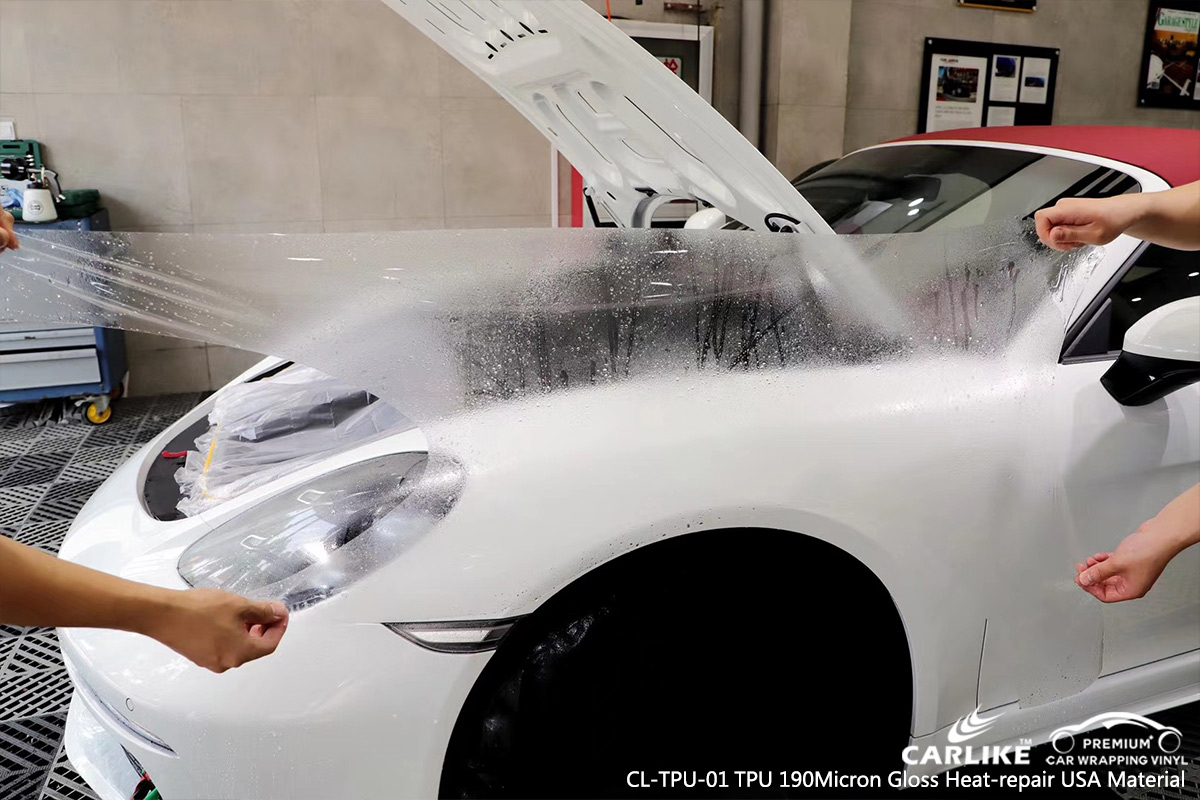
- Professional Installation: While DIY kits are available, professional installation ensures a flawless application. Installation costs can range from a few hundred to several thousand dollars, depending on the coverage area and complexity.
On average, the total cost for a full-car PPF installation ranges from $2,000 to $5,000, but it can be higher for luxury or specialized vehicles.
Long-Term Savings
One of the most compelling arguments for investing in PPF is the potential for long-term savings. Here’s how:
- Preventing Damage: PPF is designed to absorb impacts that would otherwise chip or scratch the paint. The cost of repainting a damaged area can be significant, often exceeding the initial investment in PPF.
- Reduced Maintenance: Cars protected with PPF require less frequent waxing and detailing, saving both time and money in the long run.
- Longevity of Appearance: By maintaining the original paint quality, PPF helps to keep the car looking new, which can enhance its resale value.
In many cases, owners find that the cost of repairing paint damage over time can surpass the upfront investment in PPF.
Impact on Resale Value
Another critical aspect to consider is how PPF affects a vehicle’s resale value. A well-maintained exterior can significantly enhance a car’s appeal to potential buyers. Many buyers are willing to pay more for a vehicle that shows minimal wear and tear, making PPF a smart investment if you plan to sell the car in the future.
Comparison with Other Protection Options
While PPF offers unique benefits, it’s essential to compare it with other protective options:
- Waxing and Sealants: Traditional waxing provides a temporary barrier against the elements but requires regular reapplication. It’s less effective at preventing physical damage.
- Ceramic Coatings: These offer excellent protection and longevity but may not provide the same level of physical impact resistance as PPF. Additionally, ceramic coatings often have a similar or higher cost.
Customer Feedback and Case Studies
Many car owners report positive experiences with PPF, citing the peace of mind that comes with knowing their investment is protected. Testimonials often highlight the film’s durability, clarity, and ease of cleaning. Case studies showing vehicles after several years with PPF reveal minimal signs of wear, reinforcing the film’s effectiveness.
Conclusion
In conclusion, the cost analysis of paint protection film indicates that it can be a worthwhile investment for many vehicle owners. While the initial costs can be significant, the potential for long-term savings, enhanced resale value, and protection against damage makes PPF a smart choice for those looking to maintain the appearance and value of their cars. For anyone considering the long-term health of their vehicle, PPF may well be worth the price.

TPU Paint Protection PPF Film

TPH PPF Paint Protection Film

TPH PPF Paint Protection Film