If you work with sign shops long enough, you hear the same questions again and again.
Not big questions. Practical ones.
“Will this print last outdoors?”
“Can we protect it without damaging the vinyl?”
“Is there something simple we can use every day?”
That’s usually where cold lamination film enters the conversation.
Not as a premium product.
Not as a marketing highlight.
Just as a tool that works.

What Cold Lamination Film Actually Is
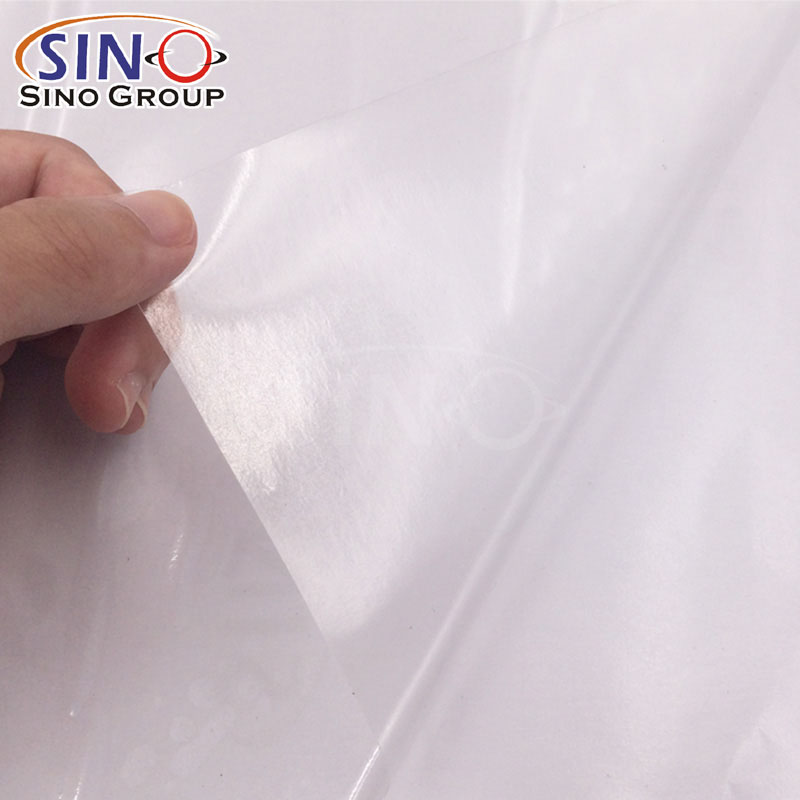
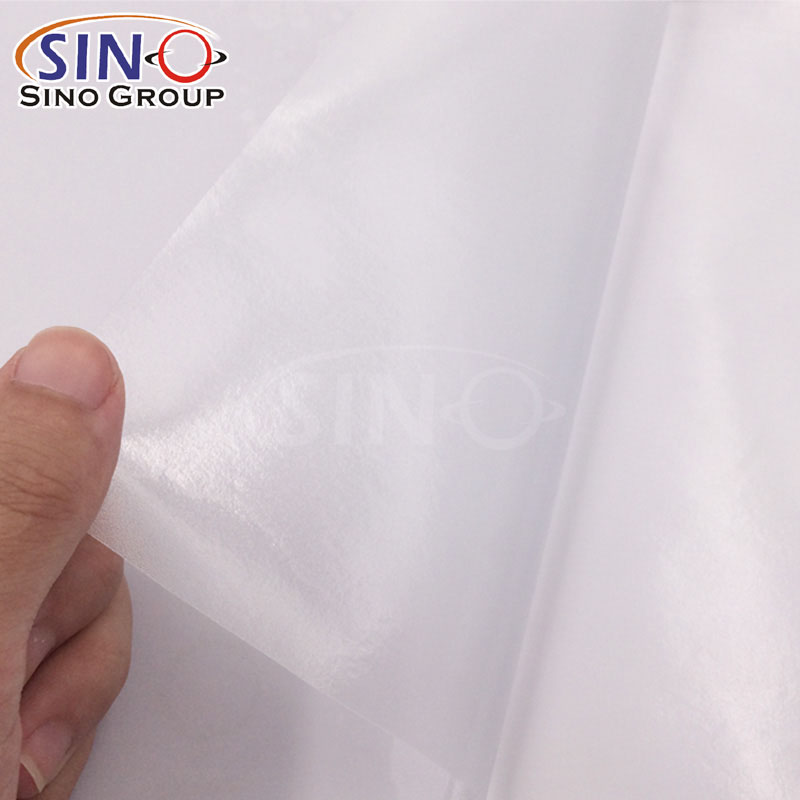
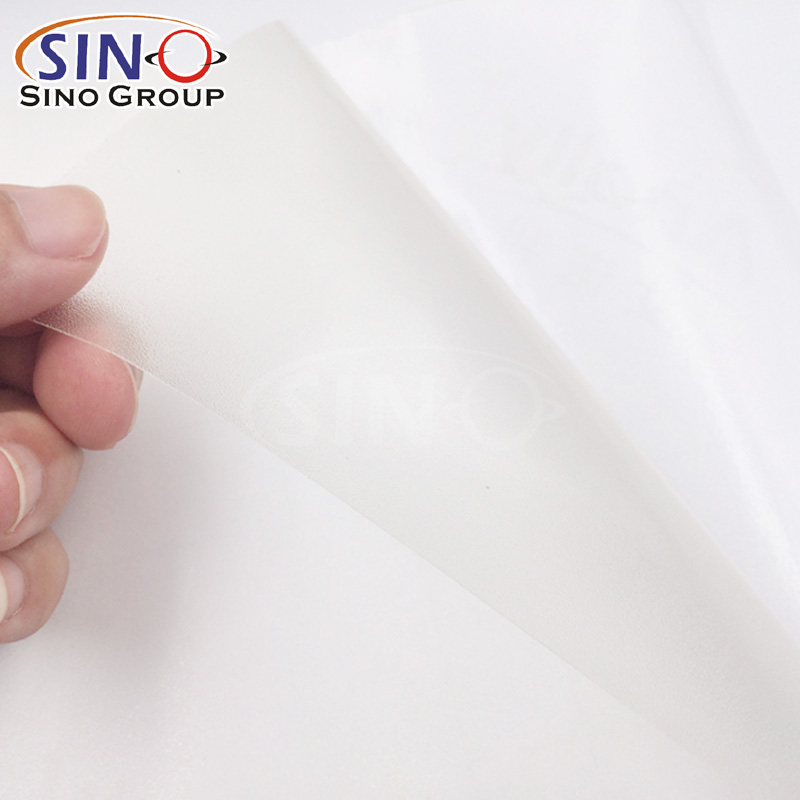
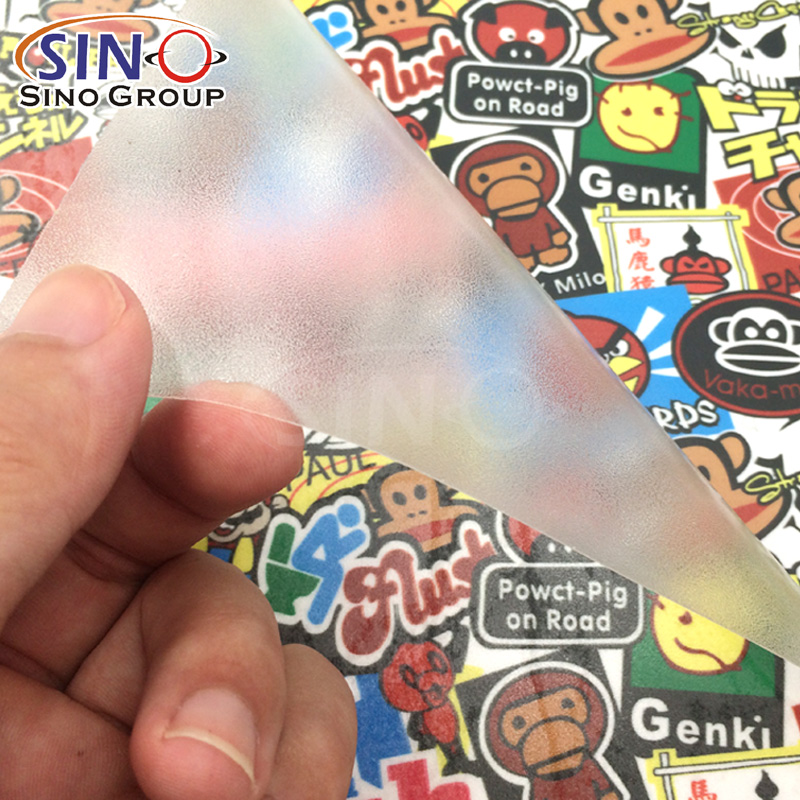
Cold lamination film is a pressure-sensitive protective film.
No heat involved. No heating rollers. No temperature settings to worry about.
You laminate by pressure only.
Manual or cold laminator. Same idea.
For many sign shops, that simplicity matters more than any technical feature.
Especially when they are working with printed vinyl, PP, or PET media that doesn’t react well to heat.
Cold lamination film exists because not everything needs to be heated to work well.

Why Sign Shops Prefer Cold Over Hot Lamination
On paper, hot lamination sounds more “professional.”
In real workshops, cold lamination is often the safer choice.
Heat can cause problems.
Vinyl can shrink.
Ink layers can react.
Edges can curl days later, not immediately.
Cold lamination avoids most of these risks.
It’s also easier to manage for small and mid-size shops.
Lower equipment cost.
Less training.
Fewer things that can go wrong during a busy workday.
That’s why many sign shops choose cold lamination film as their default, not their backup.

Real Situations Distributors See Every Day
From a distributor’s side, the pattern is very clear.
A customer starts with printed vinyl only.
Then complaints appear. Scratches. Fading. Short lifespan.
They don’t want a complicated solution.
They want something reliable.
So they ask for cold lamination film for printing.
Not for one project. For regular use.
This is also why distributors prefer products that behave consistently.
If one roll works and the next one doesn’t, the phone rings.
And nobody wants that.

Cold Lamination Film for Printing: What Matters in Practice
Spec sheets are helpful.
But installers don’t laminate with spec sheets.
They care about feel and behavior.
Does the film lay flat during application?
Does it trap air easily?
Does the adhesive bite evenly, or too aggressively?
Cold lamination film for printing must be forgiving.
Especially when used by different installers, on different machines, with different inks.
From experience, stable adhesive performance matters more than extreme clarity numbers on paper.

Gloss and Matte: How Shops Actually Choose
Gloss and matte are not design decisions only.
They are functional choices.
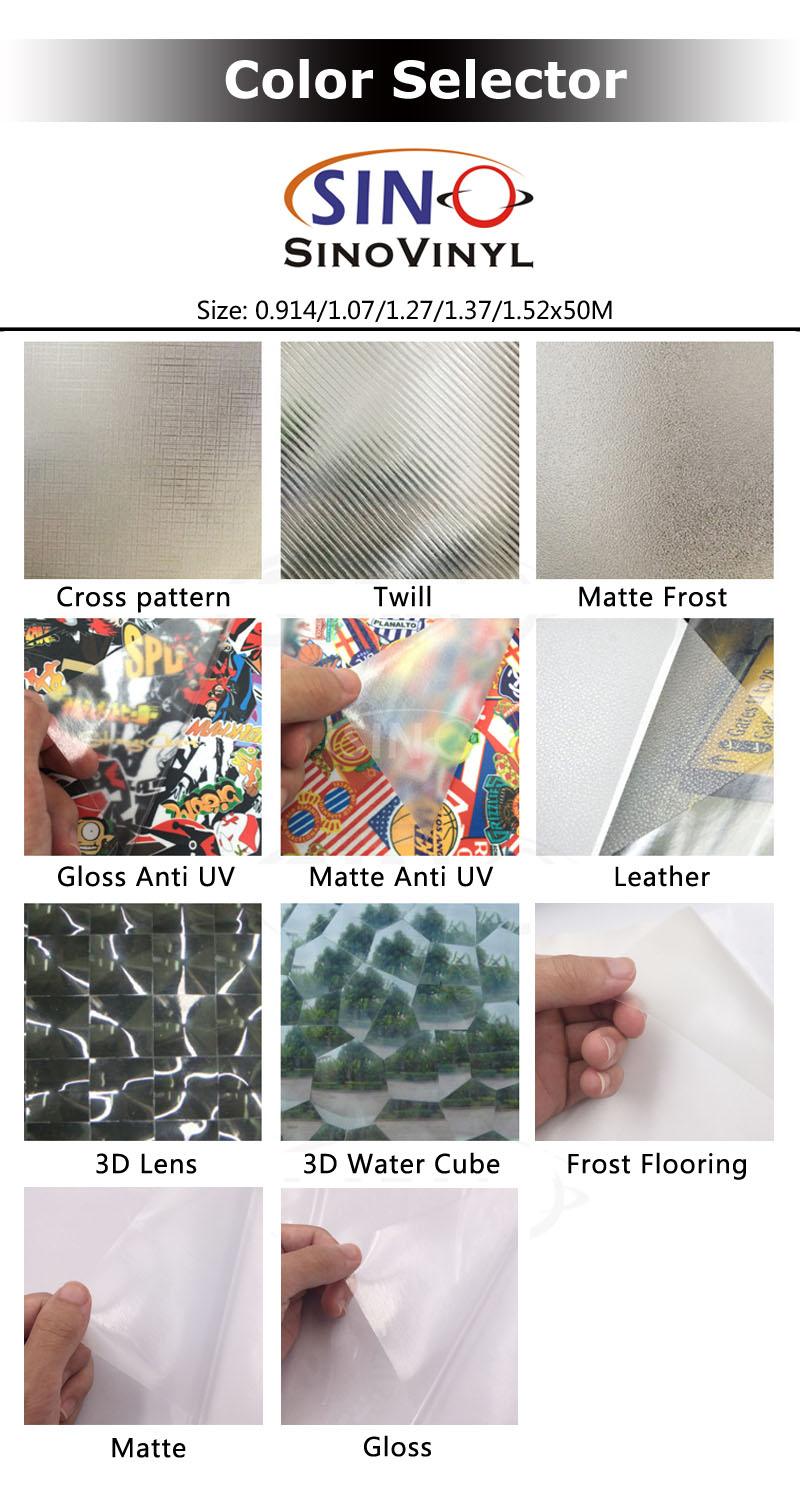
Gloss cold lamination film is common for:
- Promotional graphics
- Photo prints
- Bright retail displays
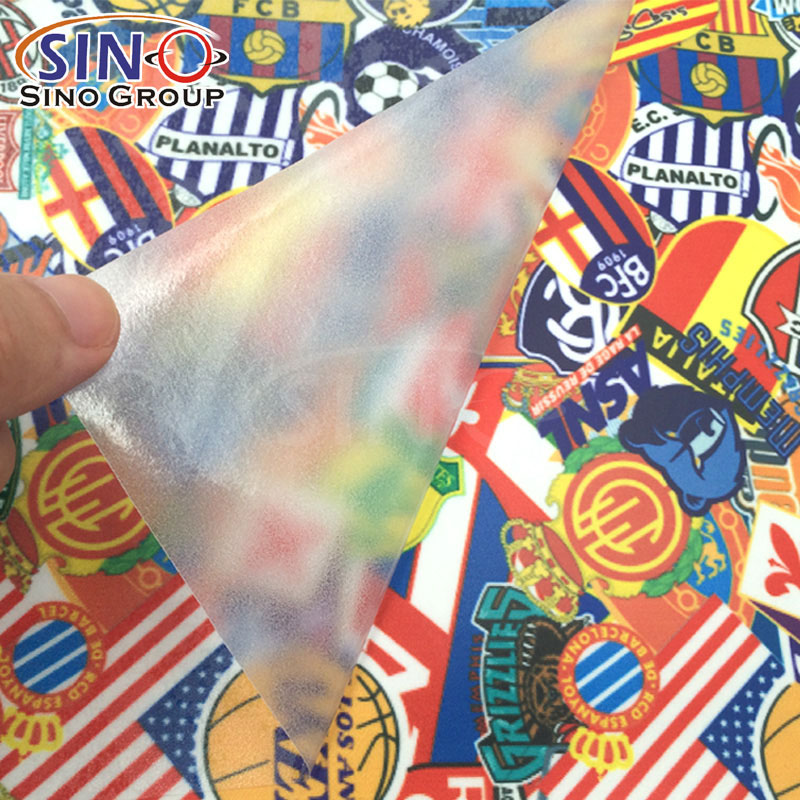
Matte cold lamination film is preferred when:
- Glare is an issue
- Text readability matters
- Indoor lighting is strong
Distributors quickly learn this.
That’s why they usually stock both, even if one moves faster.
Choice reduces friction.
Friction slows orders.


Thickness and Handling in Daily Work
Thickness sounds simple.
But it affects daily efficiency.
Too thin, and the film is hard to control.
Wrinkles appear easily.
Installers slow down.
Too thick, and it becomes stiff.
Large panels are harder to laminate smoothly.
Most sign shops settle on “comfortable” thickness ranges, not extremes.
And they stay there.
That’s why a cold lamination film manufacturer who offers stable, standard microns often performs better than one offering endless variations.
Where Cold Lamination Film Fits in a Product Line
Cold lamination film is rarely sold alone.
It’s usually ordered together with:
- Printing vinyl
- PP or PET media
- Sign materials
For distributors, it strengthens the product ecosystem.
For sign shops, it simplifies purchasing.
They don’t want to test ten combinations.
They want something that works with what they already use.
That’s also why cold lamination film suppliers often recommend pairing specific films with specific media. It reduces mistakes. And returns.

Common Mistakes Buyers Make
One common mistake is overthinking durability.
Not every sign needs five-year protection.
Many prints are promotional. Short-term. Seasonal.
Another mistake is choosing based on price alone.
Cheap film that causes rework is never cheap.
Experienced distributors know this.
They look for balance. Cost, performance, and consistency.
That balance is what keeps customers coming back.

Final Thoughts from a Wholesale View
Cold lamination film is not exciting.
And that’s exactly why it works.
It fits real workflows.
It supports daily production.
It solves common problems without adding new ones.
For sign shops, it’s a reliable tool.
For distributors, it’s a stable product.
For manufacturers, it’s about doing the basics right, every single roll.
And in this market, that’s usually enough.