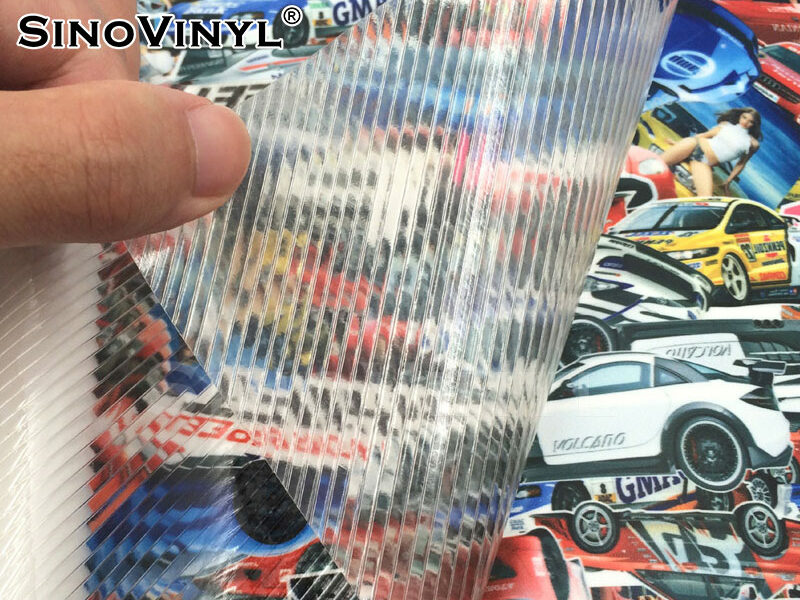
If you’ve ever worked with cold laminating film, you might have wondered: “Can I stretch this to make it fit better?” It’s a common question, especially when you’re trying to achieve that perfect, seamless finish.
The short answer is: Yes, cold laminating film has some stretching ability, but actively stretching it is a bad practice that can ruin your project.
Let’s dive deeper into why that is and explore the correct methods for a flawless application.

Understanding the Stretching Ability of Cold Laminate
Cold laminating films are typically made from flexible materials like PVC (Polyvinyl Chloride) or PET (Polyester). These plastics are inherently somewhat pliable and extensible.
-
PVC Films: More common and generally softer, offering a bit more stretch.
-
PET Films: Stiffer and more durable, but with less stretchability.
If you pull on a sheet of cold laminate with force, it will physically stretch. This demonstrates its potential for elongation. However, this physical property should not be mistaken for a recommended application technique.

Why Actively Stretching Cold Laminate is a Mistake
While the film can stretch, doing so during application leads to several problems:
-
Shrinkage and Edge Lift: Plastic has a “memory.” When you stretch the film, it constantly tries to return to its original size. This creates a continuous pulling force on the adhesive, which often causes the edges to lift and curl up hours or days after application.
-
Wrinkles and Bubbles: It’s nearly impossible to stretch the film evenly by hand. When you release the tension, the film retracts unevenly, instantly creating unsightly wrinkles and air bubbles that are very difficult to fix.
-
Image Distortion: If you are laminating a printed photo or document, stretching the film can pull and distort the paper underneath, causing the image to warp slightly.
-
Weak Adhesion: The constant stress from the film trying to shrink back weakens the bond of the adhesive, leading to potential delamination over time.

The Right Technique: “Guiding” vs. “Stretching”
The key to professional results lies in using the film’s natural flexibility correctly, not in brute-force stretching.
The Wrong Way: Active Stretching
-
Scenario: Trying to cover a slightly larger surface or correcting a misalignment by pulling the film.
-
Result: The problems listed above—shrinkage, bubbles, and lifting.
The Right Way: The Squeegee Method
This is the standard and recommended technique for applying cold laminate:
-
Align: Peel back a few inches of the backing paper and carefully align the exposed film with your document or surface.
-
Adhere the Edge: Press the initial edge down firmly to anchor it.
-
Smooth and Press: Using a squeegee or a soft cloth, slowly and steadily smooth the film onto the surface as you gradually pull the backing paper away.
-
Apply Even Pressure: Use firm, even pressure with the squeegee, working from the center outwards to push out any air bubbles.
During this process, the film experiences a gentle, uniform tension that helps it lay flat—this is a world away from manually stretching it.
For Curves and Corners:
When dealing with rounded edges, gently guide and smooth the film over the curve using your fingers, allowing its inherent flexibility to conform to the shape. Do not pull it taut.

Key Takeaway
Cold laminating film possesses a physical ability to stretch, but this is not a feature you should actively use. Its design is to achieve a smooth, protective layer through pressure and its natural pliability.
Remember the golden rule: Always aim to “smooth” and “guide” the laminate, never to “stretch” and “pull” it. By following this principle, you will achieve a perfectly smooth, durable, and professional-looking laminate every time.

FAQs: Cold Laminating Film Stretching and Application
1. If I shouldn’t stretch it, what should I do if my cold laminating film is slightly too small for my project?
Unfortunately, if the film is too small, stretching it is not a viable solution and will cause more problems. The best practice is to always measure your project and cut the film slightly larger (about 1/4 inch or 5-8mm on each side). Once the film is perfectly applied and smoothed onto your project, you can then use a sharp utility knife or scissors to trim the excess material away for a clean, perfect fit.
2. Can I lift and re-stick the film if I make a mistake while applying it?
This depends on the adhesive strength, but it is generally not recommended. Cold laminate adhesive is designed to create a strong, permanent bond. Attempting to lift it can:
-
Stretch and permanently distort the film.
-
Cause the adhesive to clump or lose its sticking power.
-
Lead to visible wrinkles and bubbles when you try to re-apply.
It’s best to work slowly and methodically using the squeegee method from one edge to the other to avoid mistakes that require re-positioning.
3. Is there any type of laminating film that is designed to be stretched?
Yes, but it’s not standard cold laminate. For applications involving complex curves or irregular 3D objects (like the outside of a coffee mug or a contoured sign), you would use a specialist heat-shrink laminate or a vinyl laminate with a much more aggressive, stretchable adhesive. These materials require specific tools like heat guns and professional expertise to apply correctly and are not used for typical paper or photo laminating projects. For flat surfaces, standard cold laminate is the correct and most effective choice.