Want to give your car a head-turning makeover?The right car light film isn’t just about style—it’s about personality, performance, and protection. Whether you’re going for a sleek smoke black for that aggressive look, a bold fluorescent yellow for better fog light visibility, or a vibrant ruby red to make your taillights pop, the color you choose can completely transform your ride.But with so many options, how do you pick the perfect shade? In this guide, I’ll break down everything you need to know:
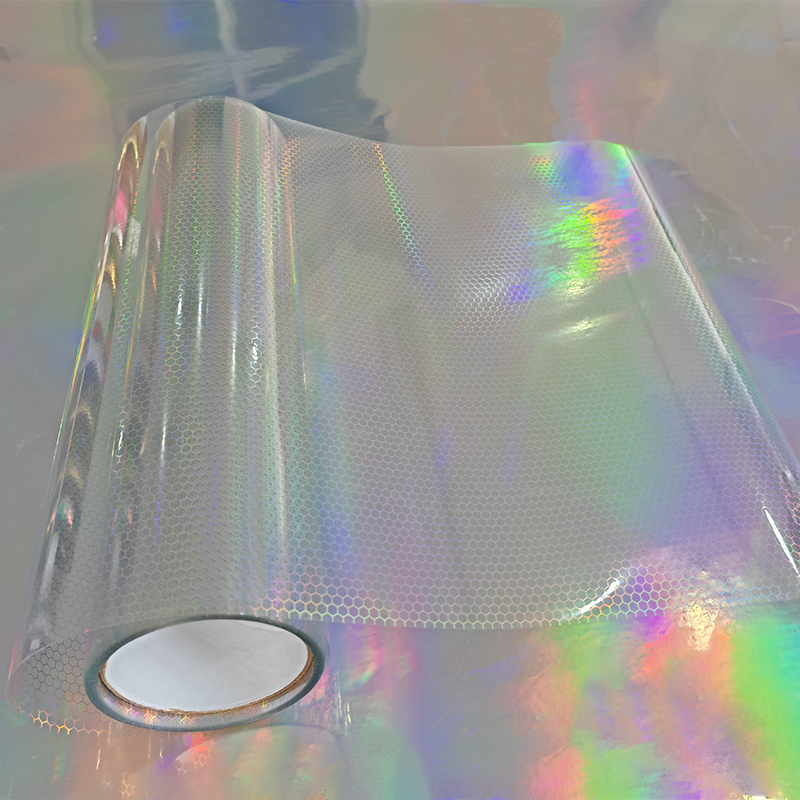
Honeycomb Holographic Transparent Car Light Film
Maintain the original lighting effect without altering the headlight color, ensuring maximum light transmittance for regions with strict regulations.

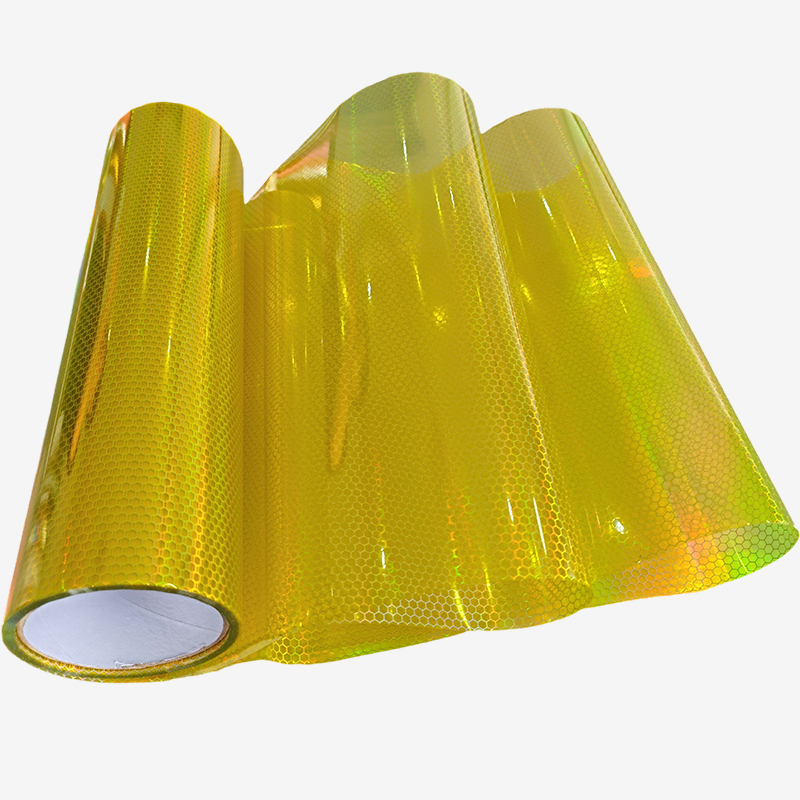
Honeycomb Holographic Fluorescent Yellow Car Light Film
Enhance penetration in fog/rain: Yellow light has a longer wavelength, reducing scattering in low-visibility conditions for improved visibility. Commonly used in fog lights to increase vehicle recognition.

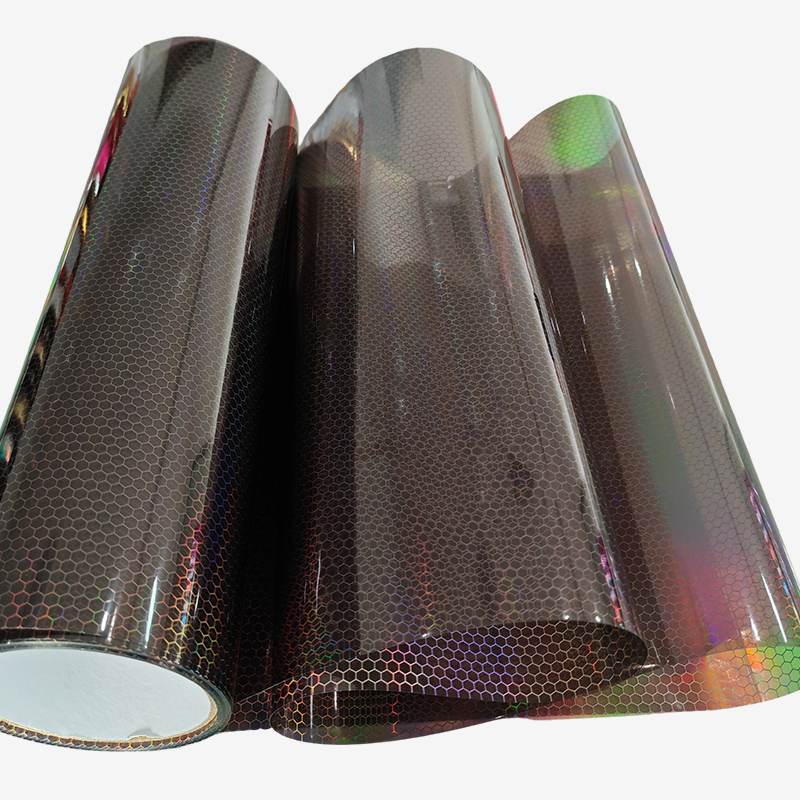
Honeycomb Holographic Light/Matte Black Car Tinting Film
Sporty visual effect, commonly seen in modified cars, creates a “smoked” appearance. Note: Dark tints reduce light transmission and may impair nighttime visibility, requiring high-brightness bulbs (e.g., LED) for compensation. Most countries prohibit excessive headlight tinting, so local regulations must be observed.

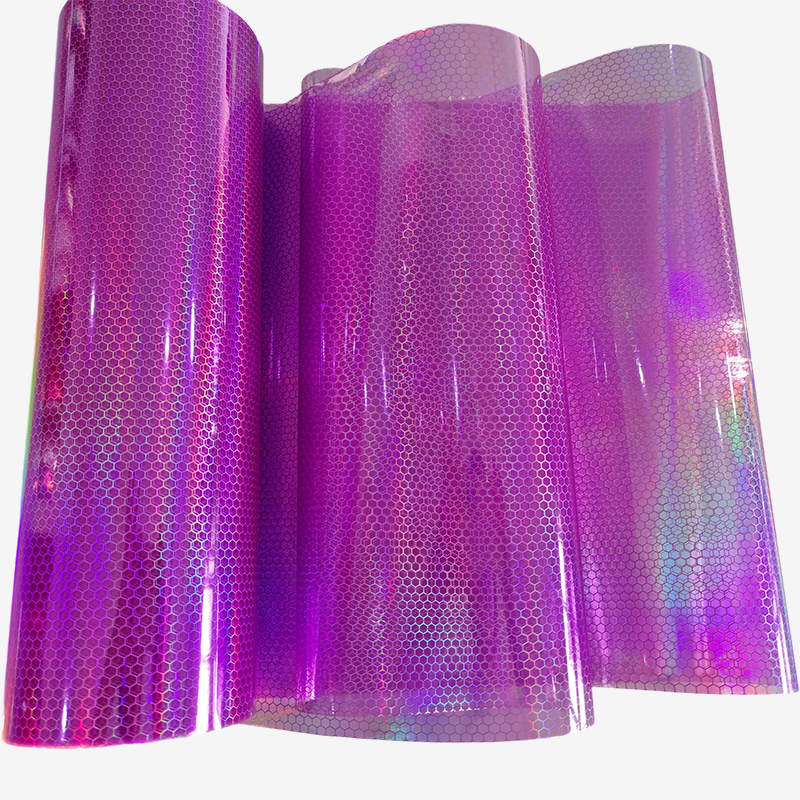
Honeycomb Holographic Blue/Purple Car Light Protective Film
Creating a cool-toned, tech-inspired aesthetic (common in car modification culture). However, blue light scatters easily in the atmosphere, resulting in poor actual illumination and potentially increasing nighttime driving risks. Some regions classify blue vehicle lights as police identifiers, prohibiting civilian use.

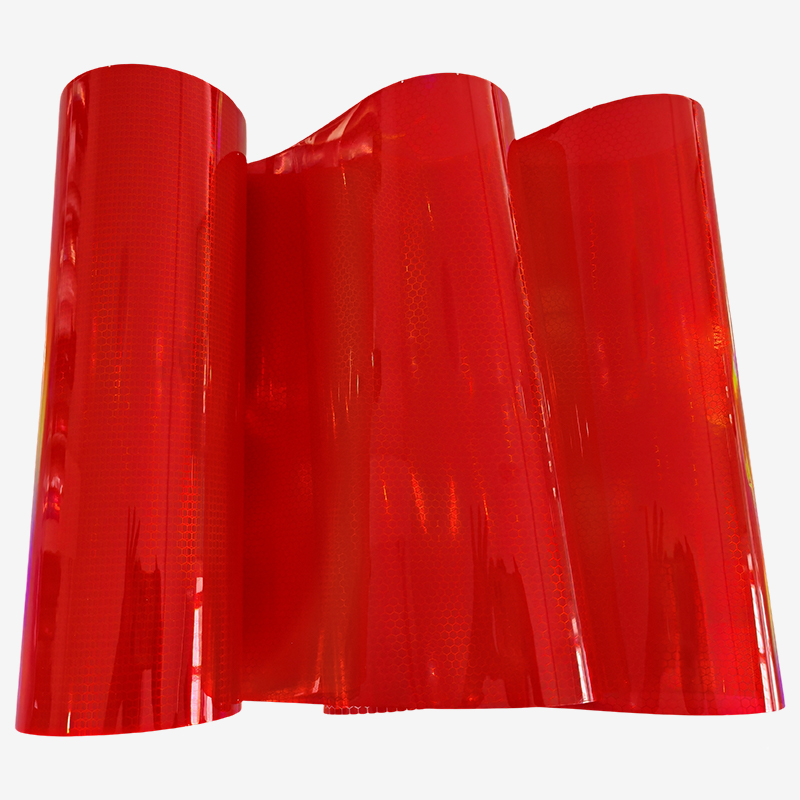
Honeycomb Holographic Red Tail Light Tint Film
Red headlights can easily be confused with signals from other vehicles, so the vast majority of countries explicitly prohibit the use of red light films on headlights. As a result, red films are commonly used for taillights, but they must still comply with safety standards.

Recommendations:
Legality First: Check local traffic regulations to avoid fines or inspection failures due to unauthorized modifications.
Safety Balance: Dark or colored films may reduce visibility—opt for high-transparency products to maintain functionality.
Professional Installation: Low-quality films may bubble or peel; choose heat-resistant, durable materials for long-term performance.
Conclusion:
When selecting headlight/taillight films, prioritize functionality, safety, and compliance. Assess both needs and risks before modification.