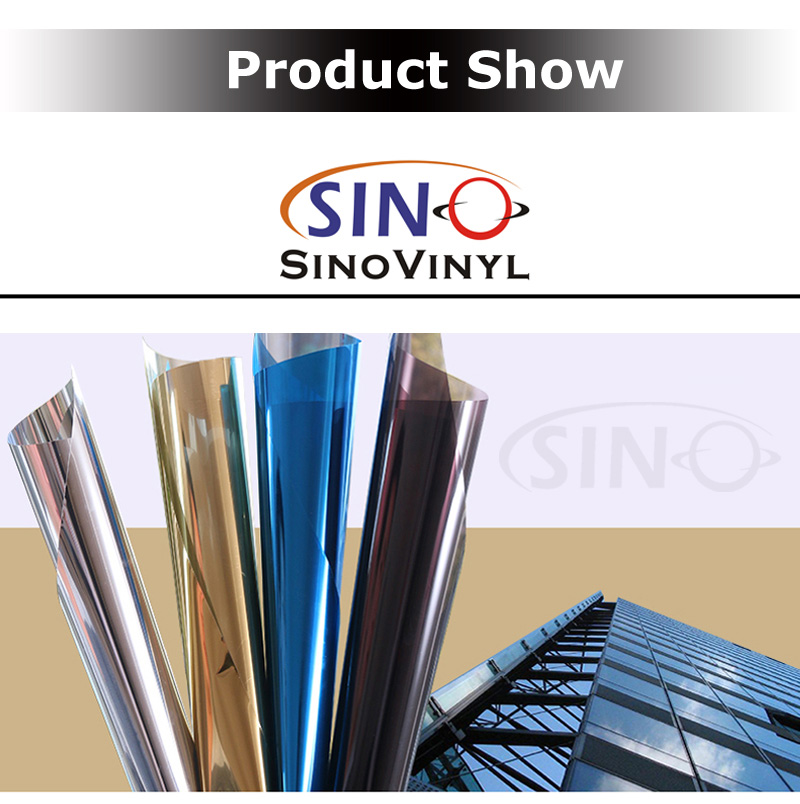
Choosing the right building window film plays a much bigger role in construction longevity than many buyers expect. I have seen how the right film choice strengthens glass, protects interiors, and helps buildings perform better over time. I will explain what building window film is and how it works, and why it directly supports a longer building durability. I also introduce the main types of building window film used in construction, and show how each one improves energy efficiency, UV protection and interior preservation.
1. What Building Window Film Is and How It Works
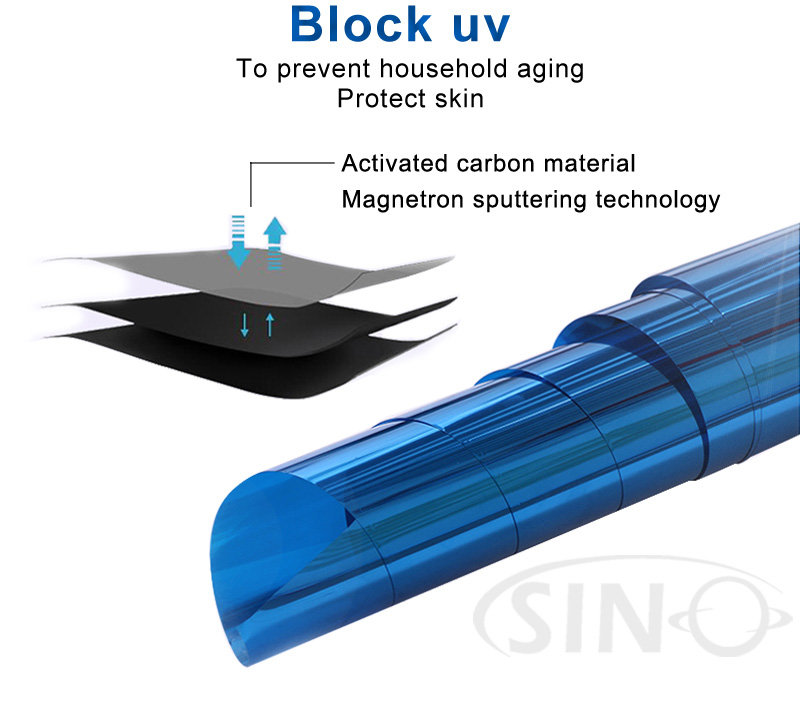
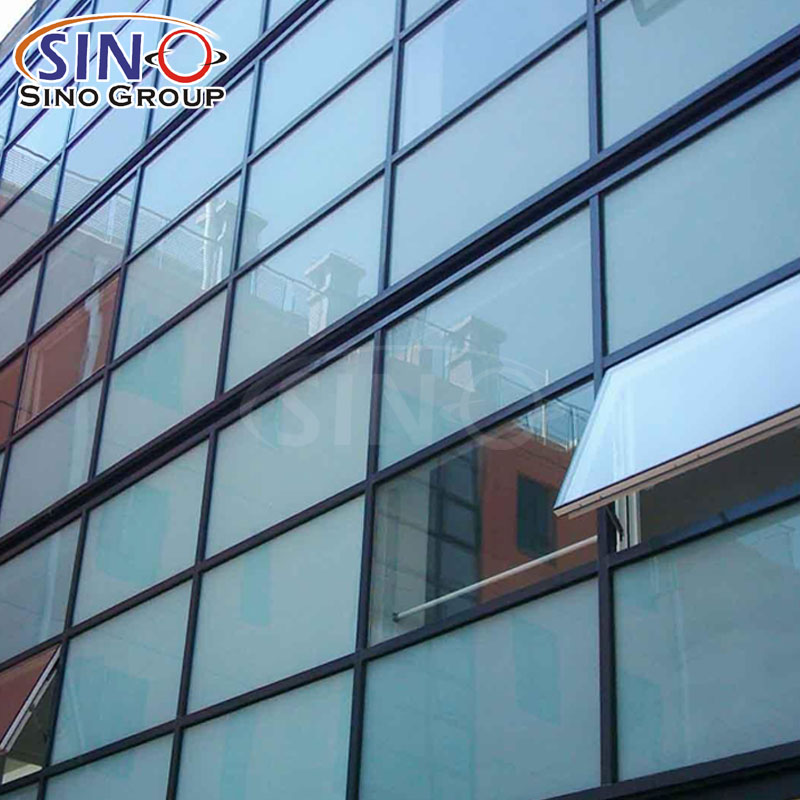
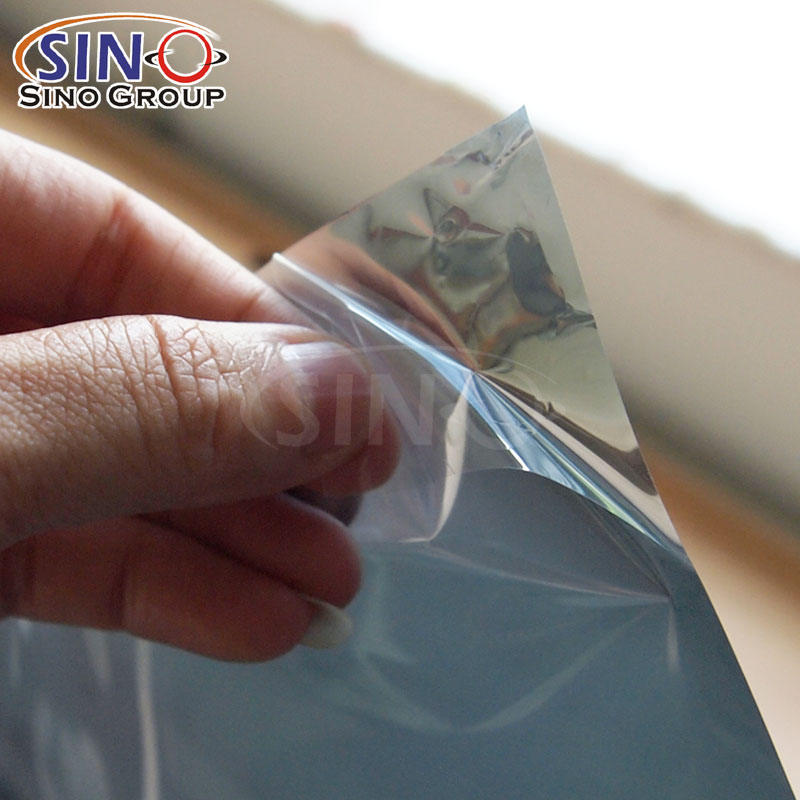
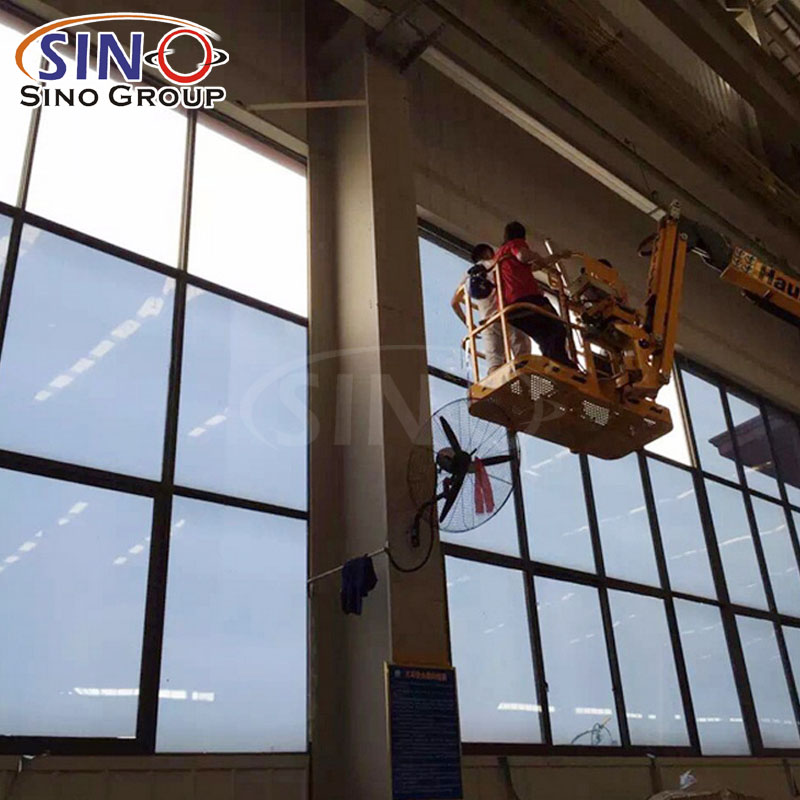
Building window film is a thin, high-performance material. I can apply it directly to glass surfaces to enhance durability and functionality. The film consists of multiple layers, including polyester, glue, UV inhibitors, and protective coatings. Each layer has their function, such as heat rejection, UV blocking, glare reduction, or glass reinforcement. When installed correctly, building window film integrates with the glass.This integration allows the film to control sunlight, strengthen glass, and improve comfort without changing the building’s structure. I always explain this foundation first because buyers need to understand how such a thin material delivers long-term performance benefits.

2. Why Building Window Film Extends Building Lifespan
Building window film reducing stress on glass, interiors, and building systems, to make building glass with longer durability. Building window film reducing stress on glass, interiors, and building systems, to make building glass with longer durability. High heat temperature and UV exposure accelerate material aging and weaken finishes. Building window film can stabilize interior temperatures and limit solar damage, which slows wear on floors, furnitures, and window seals. By protecting these components, building window film helps buildings maintain structural and visual integrity for years longer. Construction buyers value solutions that preserve assets, and window film delivers that value without major renovation costs.

3. Key Types of Building Window Film for Construction Projects
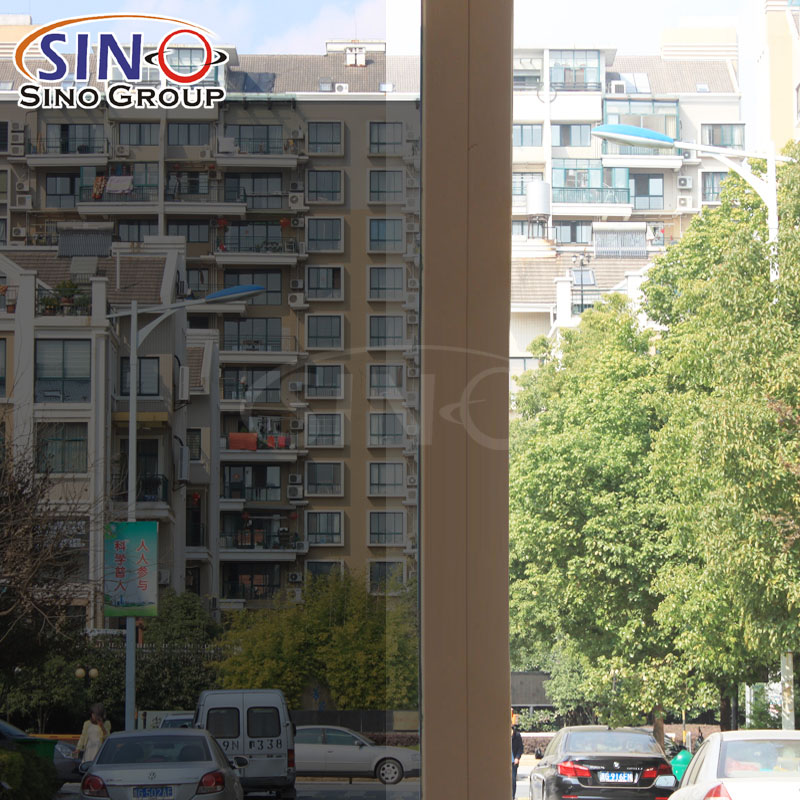
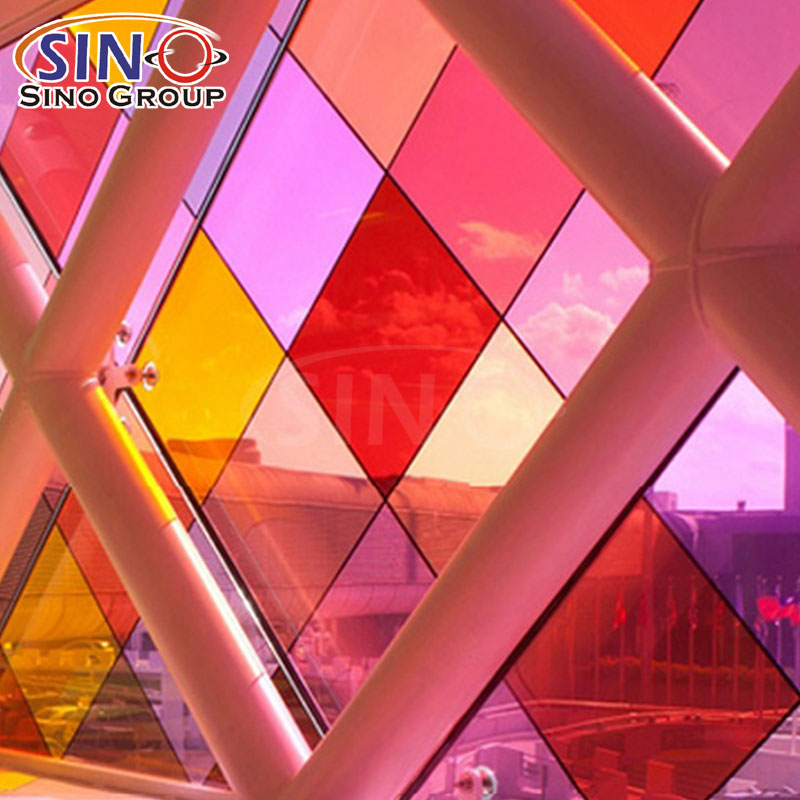
Sometimes people has confusion around the different types of building window film available for construction projects. Solar control films reduce heat and glare, it’s good for energy-conscious buildings. Safety and security films make the glass more strong to resist breakage and impact. Decorative films provide privacy and aesthetics while maintaining natural light. UV-blocking films focus on interior protection. Choosing the correct type depends on building use, location, and performance goals. I always recommend matching film type to the building’s long-term function.

4. Energy Efficiency Benefits of Building Window Film
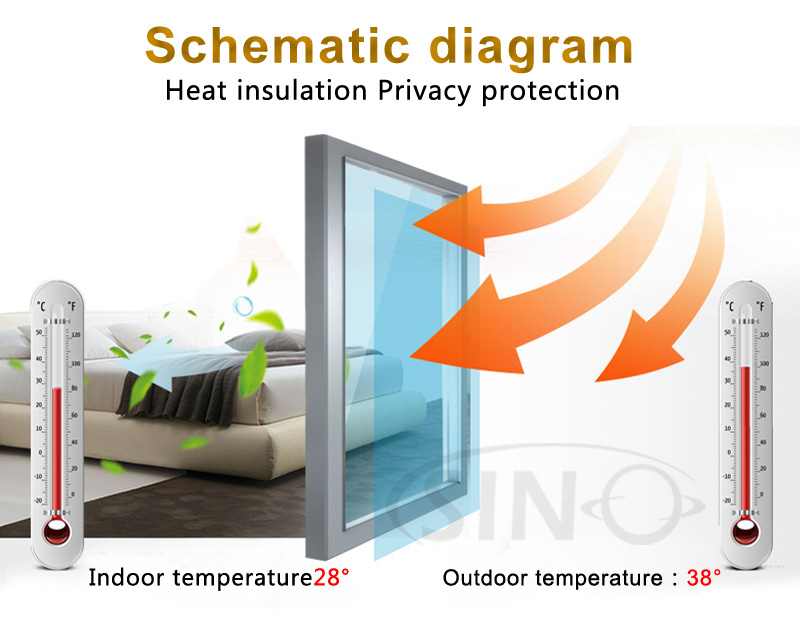
Energy efficiency stands out as one of the strongest reasons buyers invest in building window film.I use window film to reduce solar heat during summer and keep indoor temperatures to be stable. This can reduce the workload on HVAC systems, and cut energy consumption and operating costs. Many building construction companies include window film as part of energy-efficient design strategies. Over time, these energy savings offset the initial investment and improve building performance.

5. How Building Window Film Protects Glass and Interiors
Building window film acts as a protective barrier for both glass and interior spaces. I apply window film to strengthen window glass surfaces, reduce the risk of cracking, and avoid the breaken glass to spread. At the same time, the film blocks harmful UV rays and prevent fading, discoloration, and material breakdown. Furniture, flooring, wall finishes, and equipment last longer when away from sun exposure. This protection supports long-term building value and reduces replacement costs.

6. Safety and Security Advantages of Building Window Film
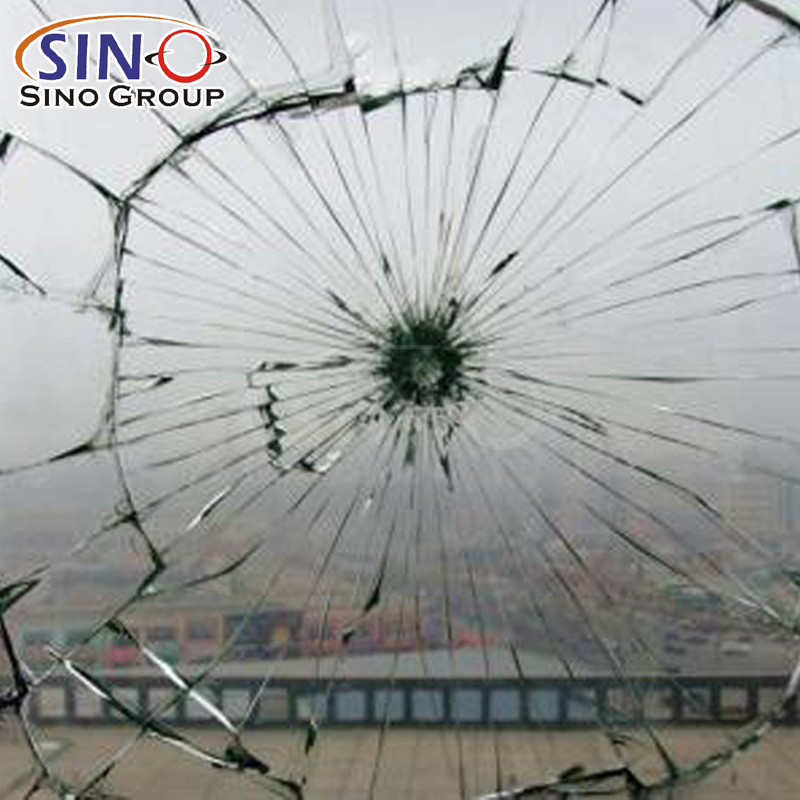
Safety and security are both important in commercial and residential construction. Building window film reinforces the glass, making it harder to shatter if there is accidents, storms, or forced entry attempts. When the glass breaks, the film holds fragments together instead of to spread the broken glass. I recommend the places that need prioritize occupant protection to install safety and security window film, such as offices, schools, hospitals, and retail spaces. This security film increases confidence without changing the building’s appearance.

7. UV Protection and Fade Prevention with Building Window Film
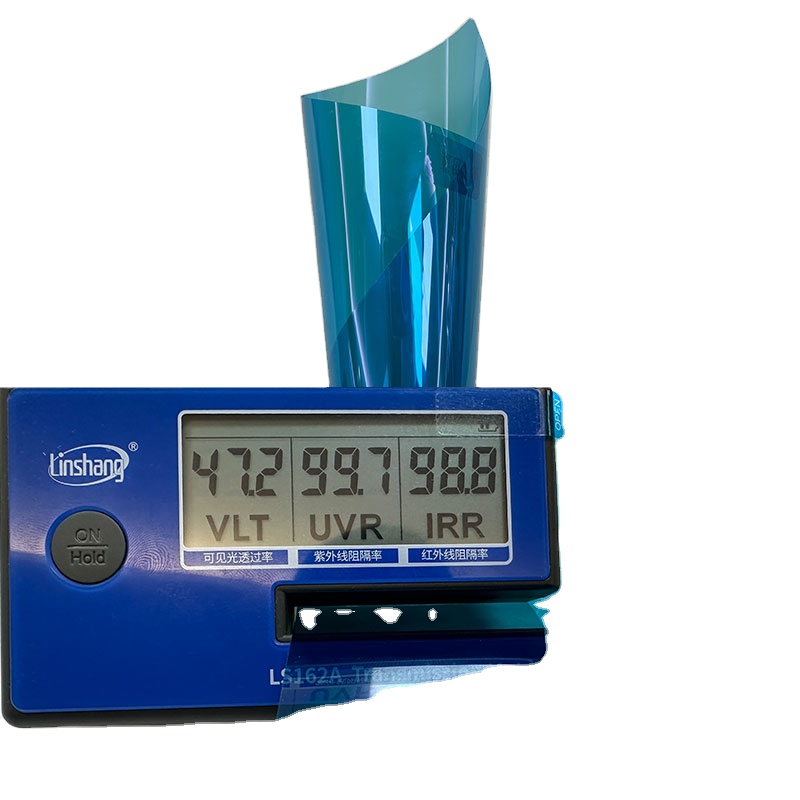
UV radiation causes silent but serious damage to buildings over time. I rely on building window film to block up to 99% of harmful UV rays, This window film helps prevent fading and material degradation. Sunlight exposure often causes uneven fading on floors, furniture, and displays, making their durability to be shorter. By installing UV-protective window film, the building owners preserve interior finishes and maintain a consistent, high-quality appearance in all the space.

8. How to Choose the Right Building Window Film for Your Project
Before selecting the right building window film, the buyer need to confirm clear goals and informed evaluation. I always first to check the first thing i required such as energy savings, safety, privacy, or aesthetics. What’s more, climate, building orientation, glass type, and local regulations has a influence in the decision. I advise buyers to review performance data, warranties, and installation requirements before making a final choice. The right window film fits with both short-term needs and long-term building performance, so it will ensures maximum return on investment.

9. Cost Considerations When Investing in Building Window Film
Cost plays an important role in any construction decision, but I encourage buyers to look beyond initial pricing. Building window film offers long-term financial benefits through energy savings, reduced maintenance, and extended material lifespan. High-quality films may cost more upfront, but they deliver better performance and durability. I help buyers compare costs based on total value rather than installation price alone. This approach leads to smarter purchasing decisions and better long-term outcomes.

10. Common Mistakes to Avoid When Selecting Building Window Film
I often see buyers make avoidable mistakes when choosing building window film. If select the buliding window film only based on price, but ignoring performance ratings, or skipping professional installation. This can lead to poor results. Another common issue is choosing the wrong window film type for the building’s function or climate. These mistakes reduce effectiveness and shorten the product’s durability. I always recommend working with experienced suppliers.

Choosing the right building window film, so it can create long-lasting, high-performing buildings for the buyer. I believe smart film selection protects glass, preserves interiors, improves energy efficiency, and strengthens overall safety. When the buyers understand film types, performance benefits, cost value, and common mistakes, they make decisions that support durability and long-term returns.