When considering the cost of a car wrap, it’s important to understand the main components that contribute to the overall price. These components include material costs, labor costs, and additional fees. Here’s a breakdown of each:
1. Material Costs
- Vinyl Type: The type of vinyl used is a major factor in the cost. There are primarily two types: cast vinyl and calendered vinyl. Cast vinyl is more expensive but offers better durability, flexibility, and a longer lifespan, making it ideal for vehicle wraps. Calendered vinyl is cheaper but less durable and better suited for short-term applications.
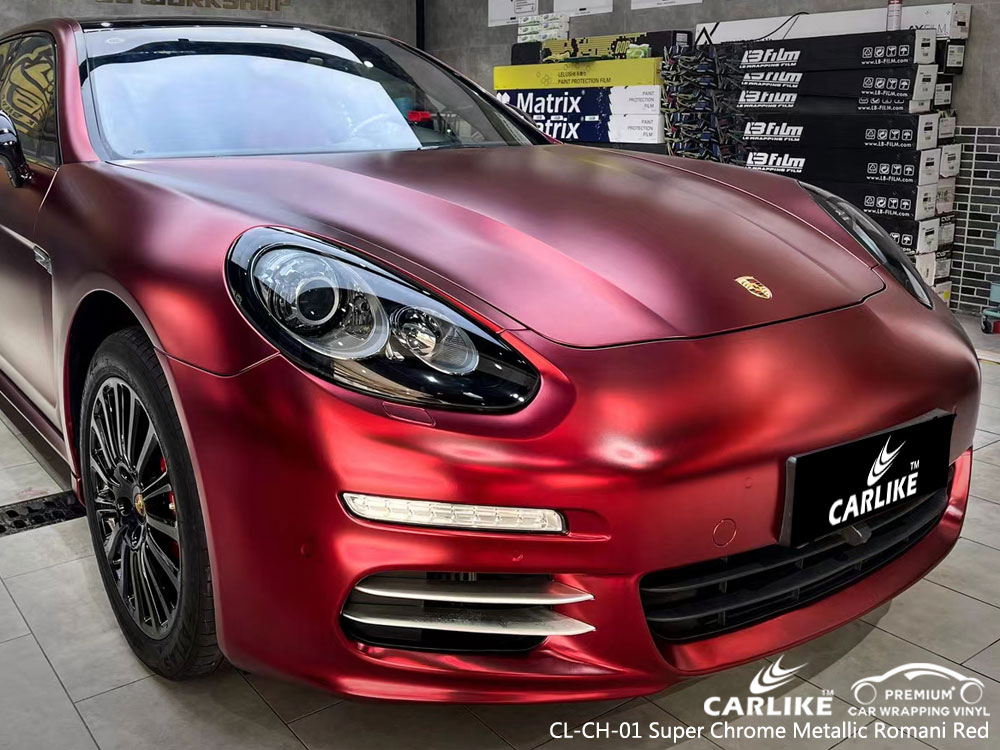
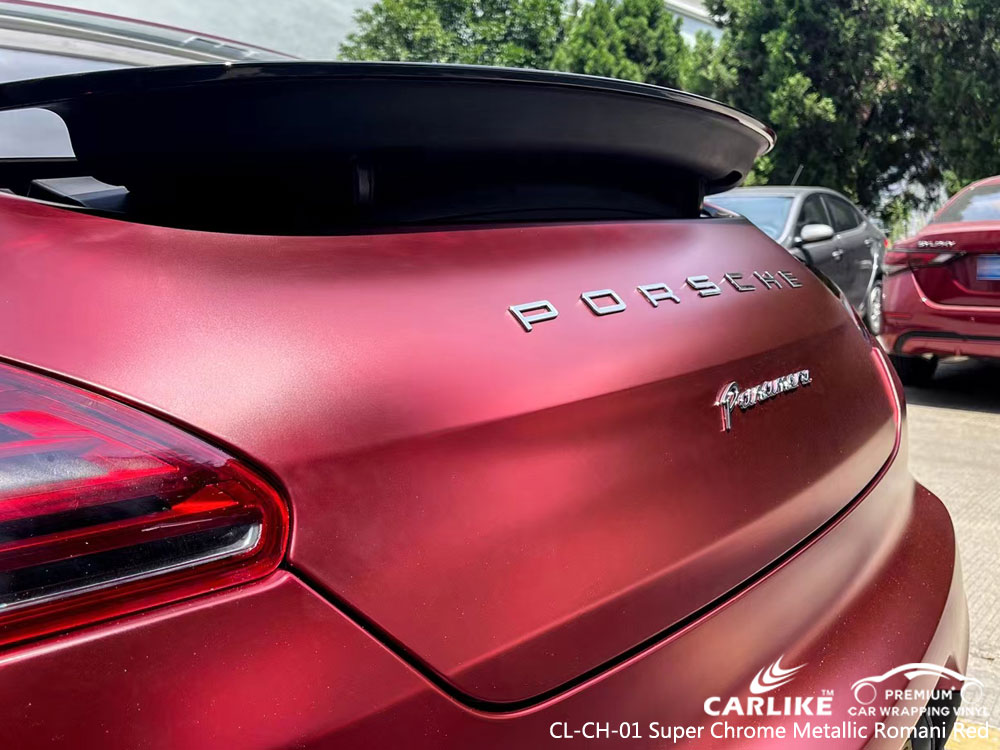
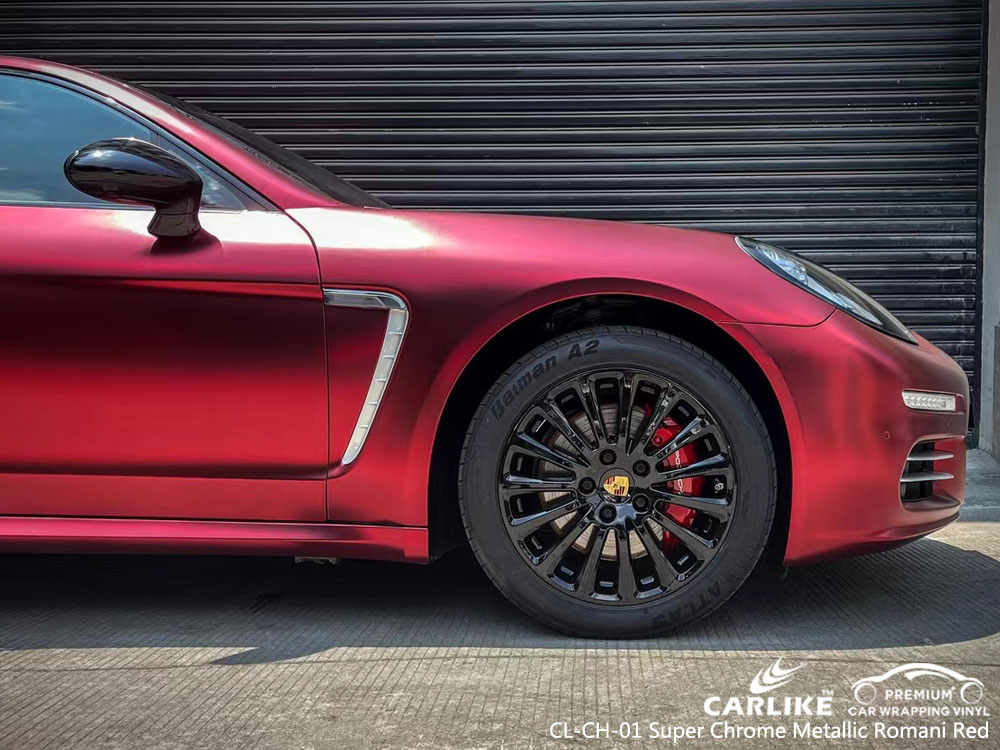
- Color and Finish: The choice of color and finish also impacts the cost. Standard colors and finishes like gloss or matte are typically less expensive. However, specialty finishes like metallic, chrome, or textured wraps (e.g., carbon fiber) can significantly increase the price.
- Thickness and Quality: Higher-quality, thicker vinyl is generally more expensive but offers better protection and a more professional appearance.
2. Labor Costs
- Installer Expertise: Skilled labor is crucial for a quality wrap installation. Professional installers with extensive experience may charge more, but their expertise reduces the risk of errors such as bubbles, wrinkles, or poor alignment. This expertise ensures a smoother, longer-lasting application.
- Complexity of the Vehicle: The complexity of the vehicle’s shape and design can also affect labor costs. Vehicles with intricate curves, creases, or unique features require more time and precision, leading to higher labor charges.
- Installation Time: The amount of time needed to complete the wrap depends on the vehicle size, the wrap’s design, and the installer’s skill. More complex or custom designs may take longer to install, thus increasing labor costs.
3. Additional Fees
- Surface Preparation: Before applying the wrap, the vehicle’s surface must be properly prepared. This may include cleaning, paint correction, or minor repairs. Any additional work needed to ensure a smooth surface can add to the cost.
- Customization and Design: If you choose a custom wrap design, additional costs will be involved. This includes the cost of graphic design, custom printing, and possibly extra time for installation.
- Removal Costs: While not part of the initial installation cost, it’s important to consider future costs for removing the wrap. Professional removal ensures that the original paint isn’t damaged, but it can add to the overall expense.
- Maintenance Costs: To maintain the appearance and longevity of your car wrap, you might need to invest in specialized cleaning products or periodic inspections. These ongoing costs should also be factored into the total cost of ownership.
Conclusion
Understanding these main components—material costs, labor costs, and additional fees—is essential for anyone considering a car wrap. By breaking down these costs, you can better anticipate the total investment required and make informed decisions that align with your budget and customization preferences.