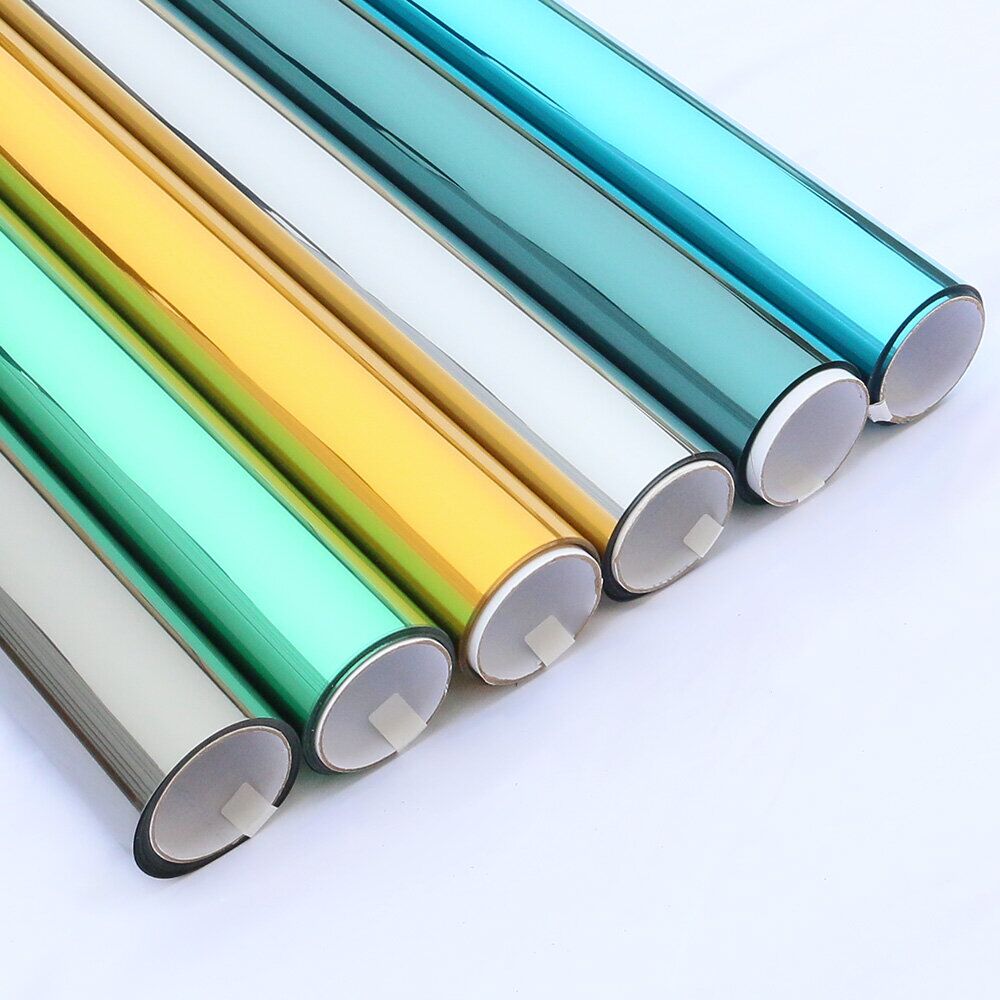
Protection Against Scratches Chips and UV Damage
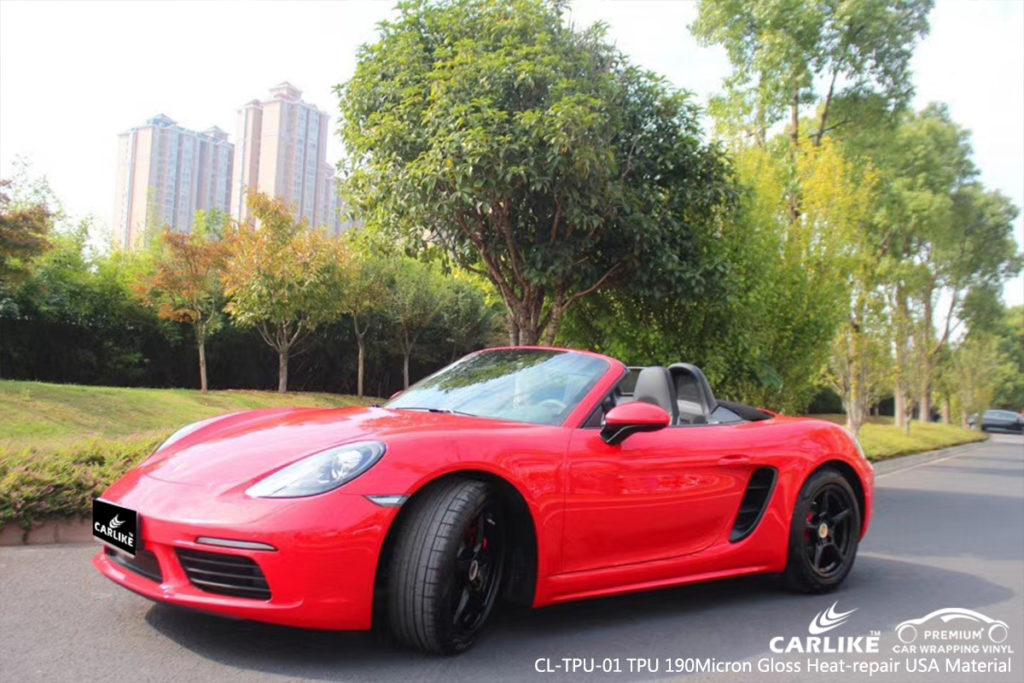
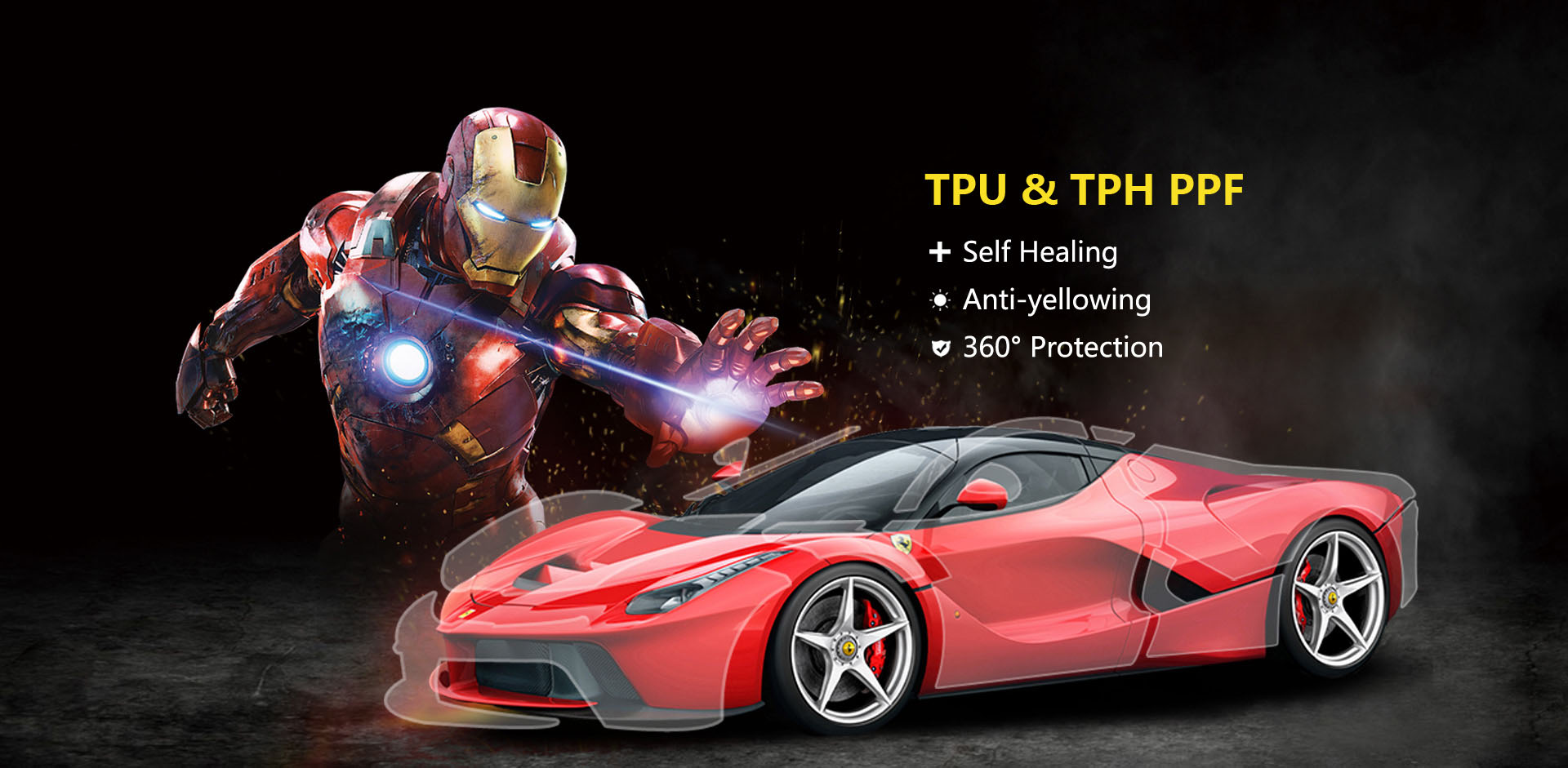
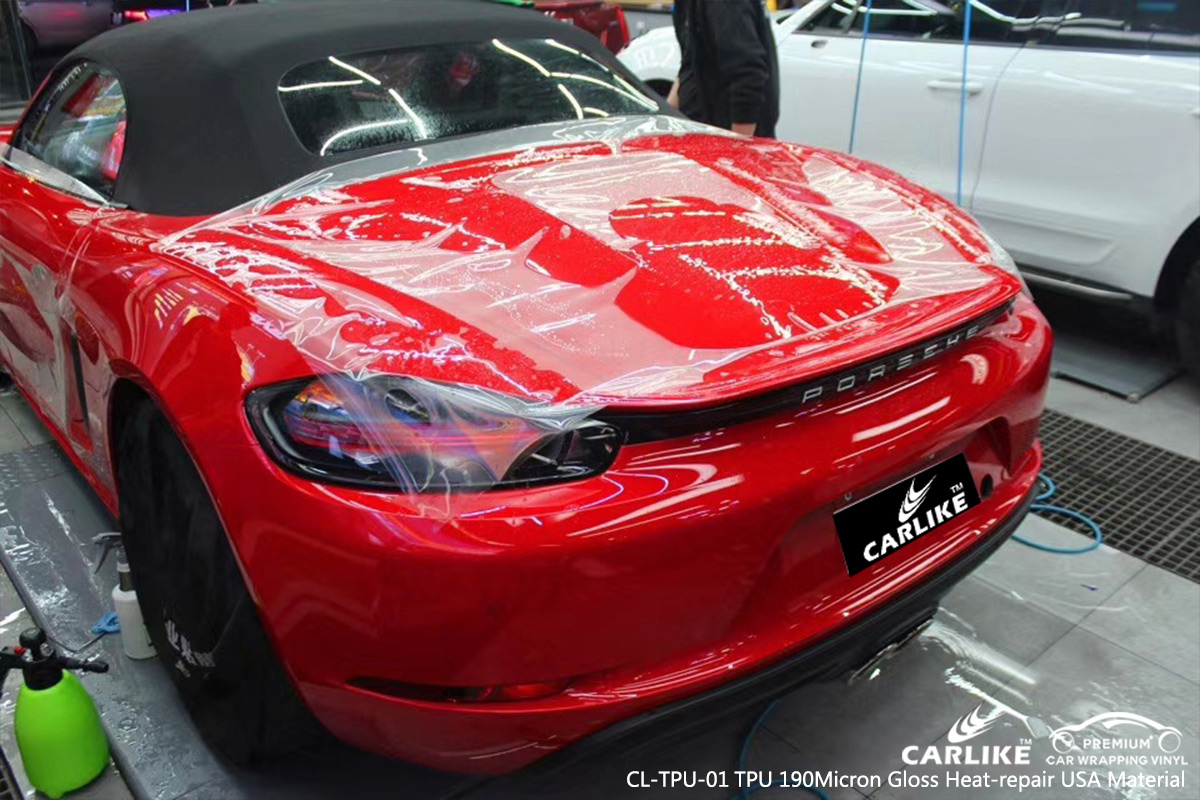
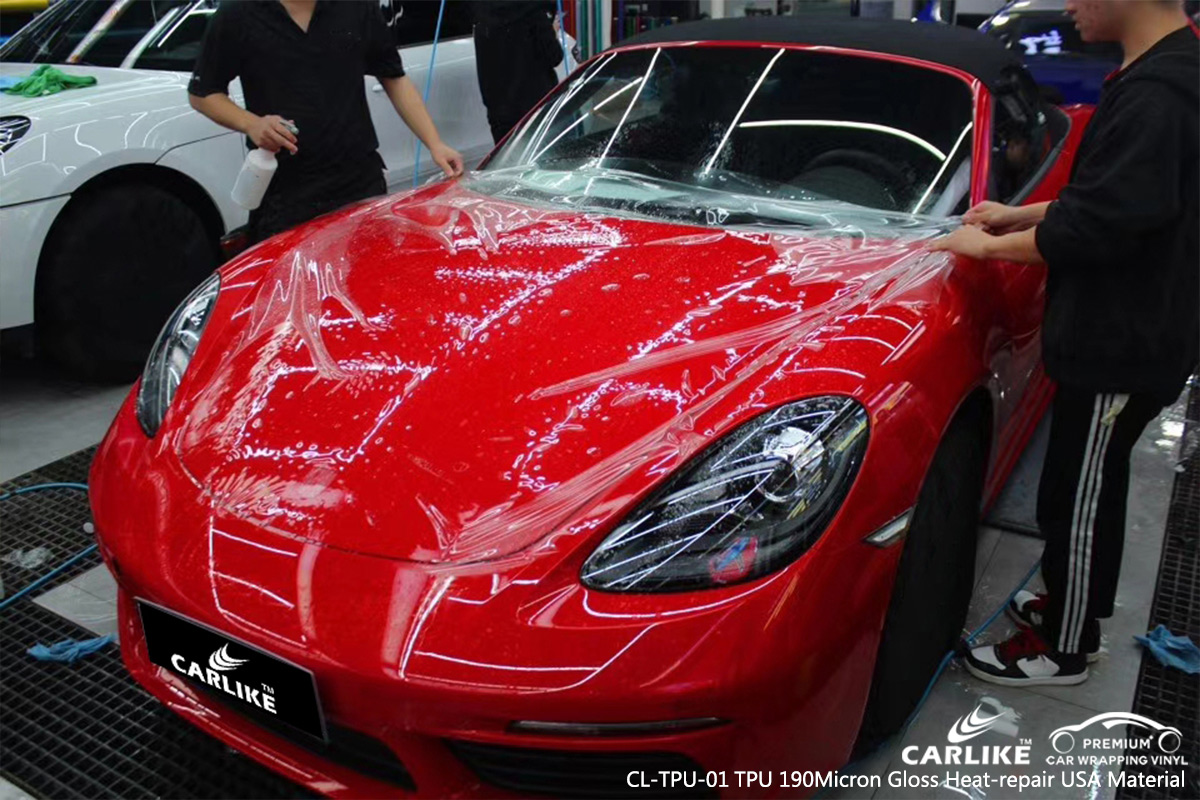
Car paint protective films offer comprehensive protection against various forms of damage. These films are designed to safeguard your vehicle’s exterior from scratches, chips, and UV damage.
- Scratches: The film acts as a protective layer over the car’s paint, absorbing impacts from minor abrasions and scratches. This layer is typically made from durable, flexible materials that can withstand everyday wear and tear, such as contact with keys or small debris.
- Chips: Road debris like stones and gravel can cause chips and dents in your car’s paint. Protective films are engineered to resist these impacts, preventing chips from reaching the underlying paint and preserving the vehicle’s appearance.
- UV Damage: Prolonged exposure to the sun can lead to fading and deterioration of the car’s paint. Paint protection films are UV-resistant, shielding the paint from harmful sun rays and maintaining the vehicle’s color and gloss over time.
Comparison of Car Paint Protective Film with Traditional Waxing and Other Protective Methods
1. Car Paint Protective Film:
- Durability: Offers long-term protection, often lasting several years. Resistant to scratches, chips, and stains.
- Protection Level: Provides superior protection against environmental damage such as UV rays, acid rain, and road debris.
- Maintenance: Requires minimal maintenance. Typically just needs regular washing to keep it clean.
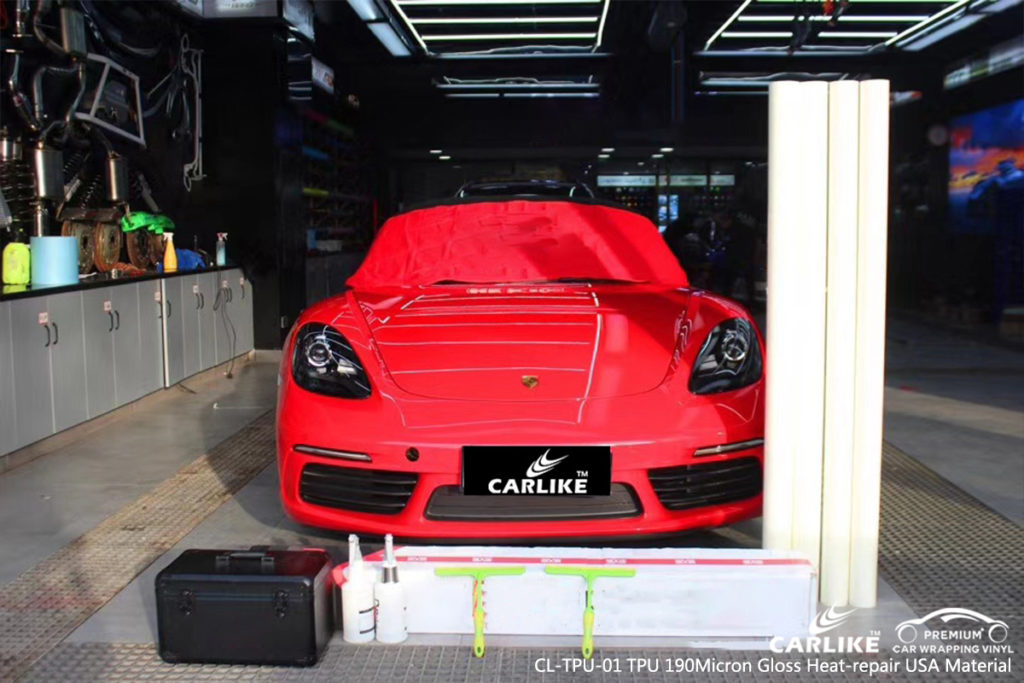
- Application: Professional installation recommended for best results. Can be costly initially.
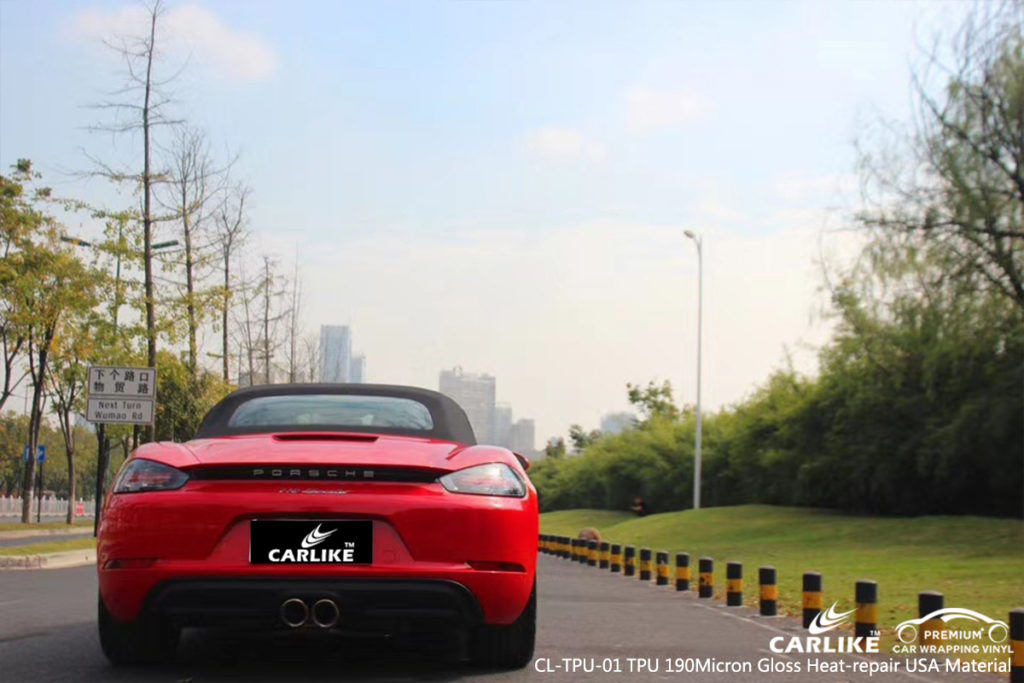
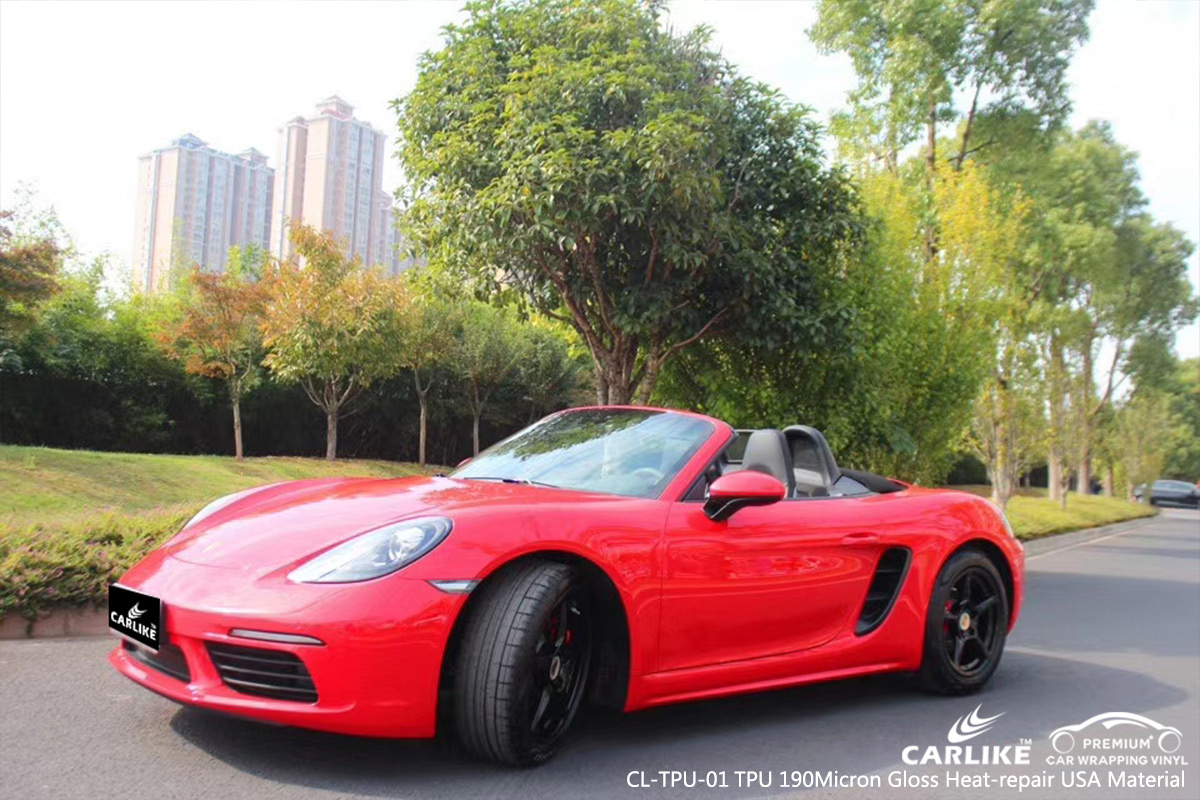
- Appearance: Maintains the original paint’s appearance with options for a glossy or matte finish.
2. Traditional Waxing:
- Durability: Provides short-term protection, generally lasting a few weeks to a few months. Needs to be reapplied regularly.
- Protection Level: Offers some protection against UV rays and water but less effective against scratches and road debris.
- Maintenance: Requires regular application and buffing to maintain a shiny appearance.
- Application: Can be done at home or professionally. Less expensive than paint protection film.
- Appearance: Enhances the paint’s shine but may require frequent reapplication to maintain the look.
3. Ceramic Coating:
- Durability: Long-lasting, often several years. Provides a durable layer of protection.
- Protection Level: Excellent protection against UV rays, chemicals, and minor scratches. Less effective against larger impacts.
- Maintenance: Low maintenance but requires proper cleaning techniques to avoid damaging the coating.
- Application: Requires professional application for optimal results. More affordable than paint protection film.
- Appearance: Provides a high-gloss finish and can enhance the depth of the paint.
4. Sealants:
- Durability: Typically lasts a few months to a year. Offers a more durable protection than traditional wax.
- Protection Level: Good protection against UV rays and water. Less effective against physical damage like scratches.
- Maintenance: Requires periodic reapplication to maintain effectiveness.
- Application: Can be applied at home or by professionals. Less expensive than paint protection film and ceramic coatings.
- Appearance: Provides a shiny finish but may not last as long as ceramic coatings.
5. Paint Protection Spray:
- Durability: Offers temporary protection, generally lasting a few weeks to a few months.
- Protection Level: Provides a layer of protection against environmental contaminants and minor scratches.
- Maintenance: Requires reapplication for continued protection.
- Application: Easy to apply and can be done at home. Less costly than paint protection film.
- Appearance: Adds a layer of shine but may not be as durable as other methods.
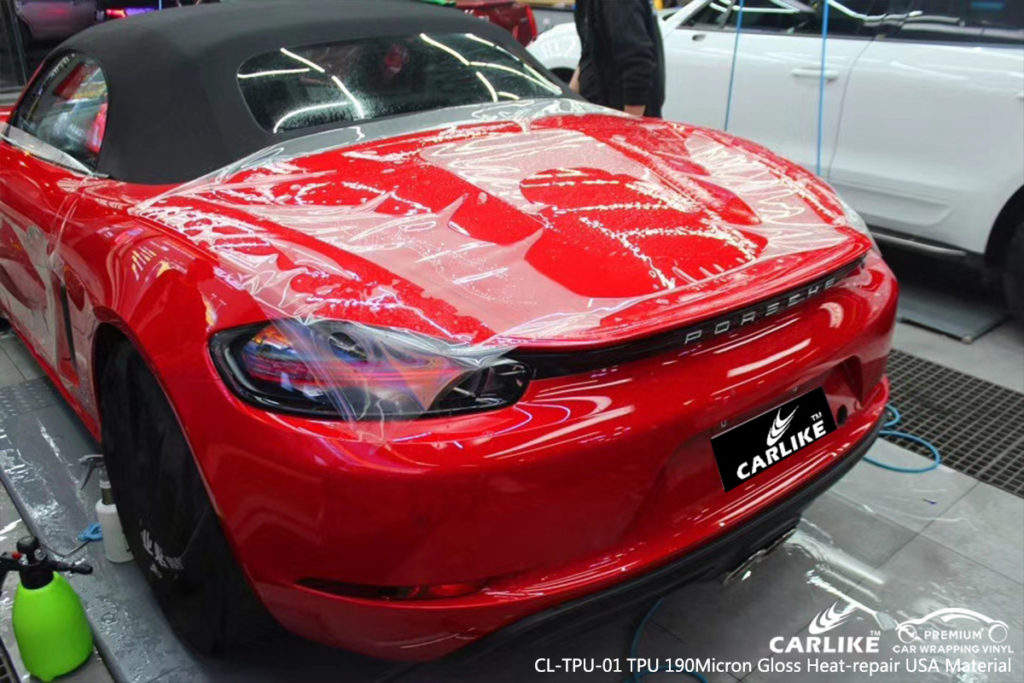
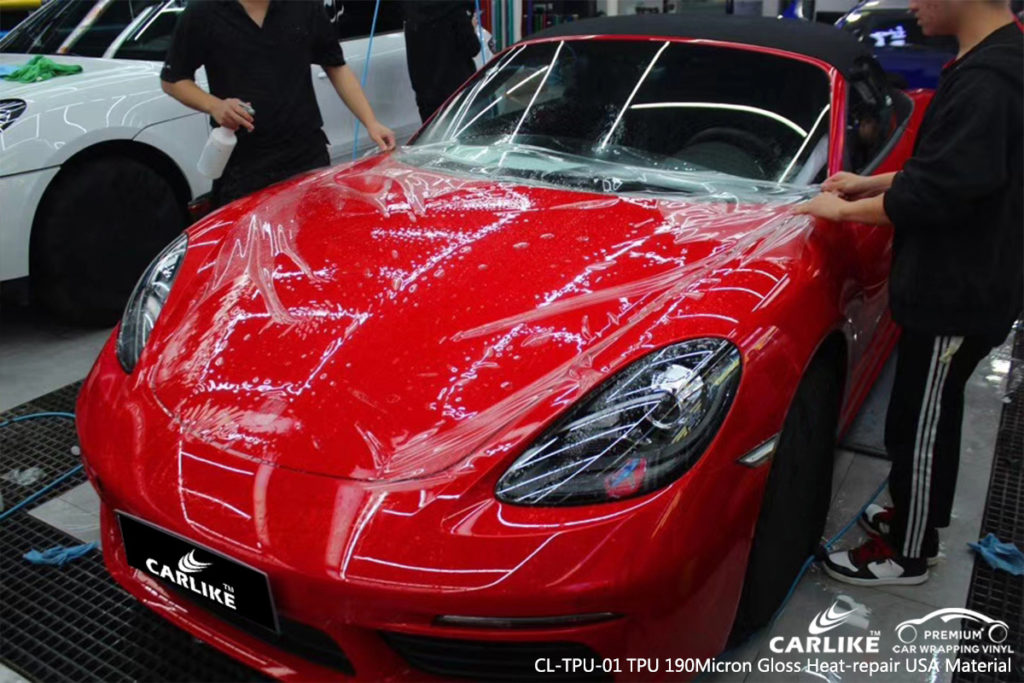
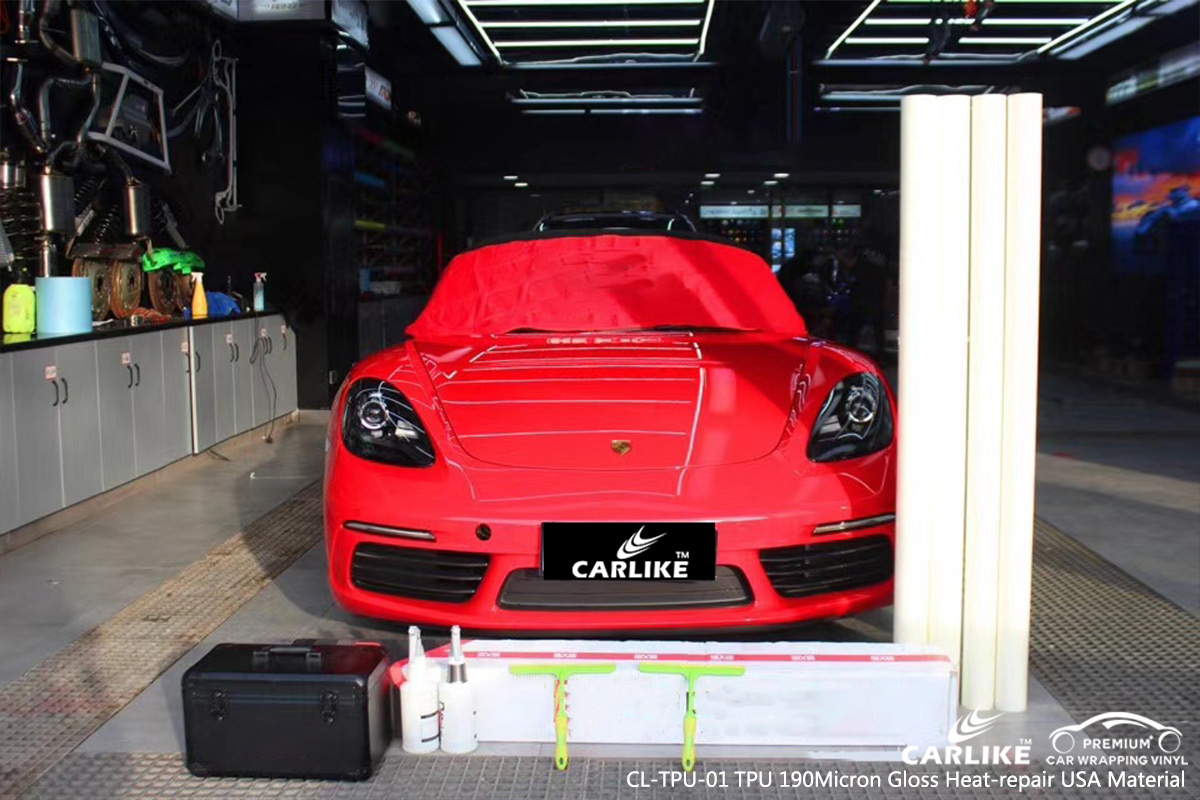
TPU Paint Protection PPF Film