Introduction to Building Window Films
What Are Window Films?
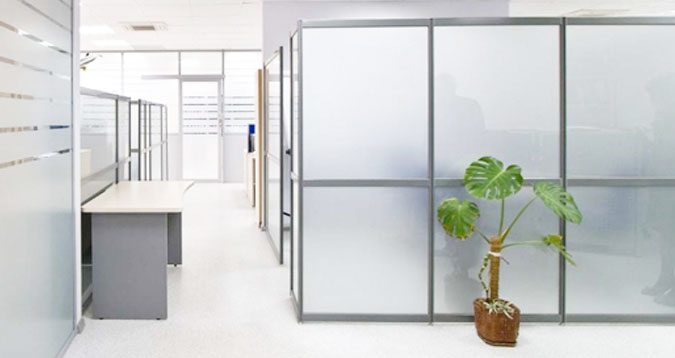
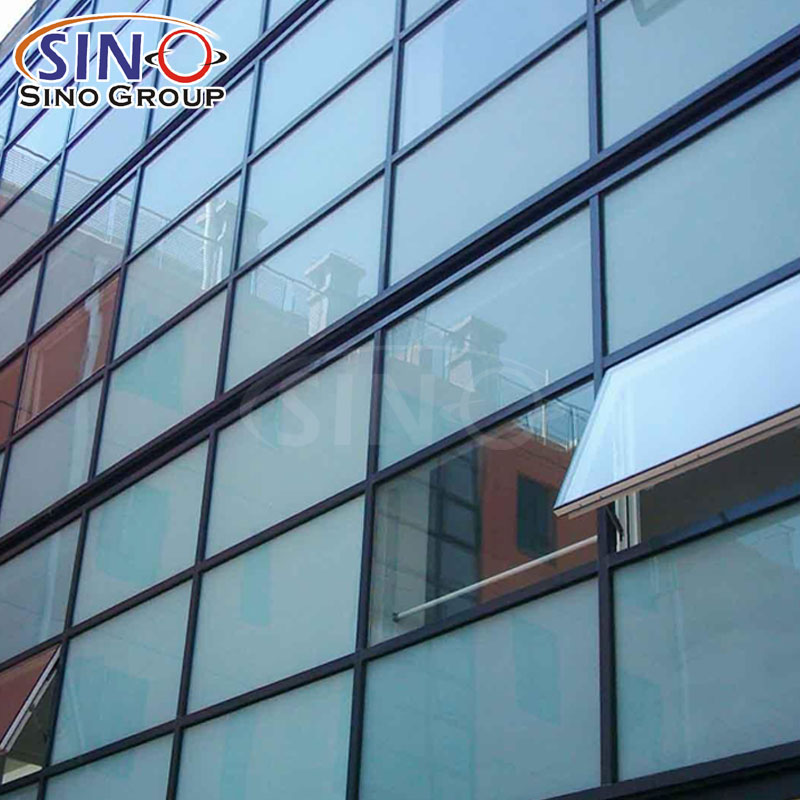
Window films are thin layers of polyester or other materials applied to glass surfaces. They can be clear or tinted and are designed to adhere to windows. The primary purposes of window films include enhancing privacy, reducing heat and glare, protecting against UV radiation, and improving security. They come in various types, such as:
1. Solar Control Films: Reduce heat and glare from the sun, improving energy efficiency and comfort.
2. Security Films: Reinforce glass to make it more resistant to shattering, enhancing safety.
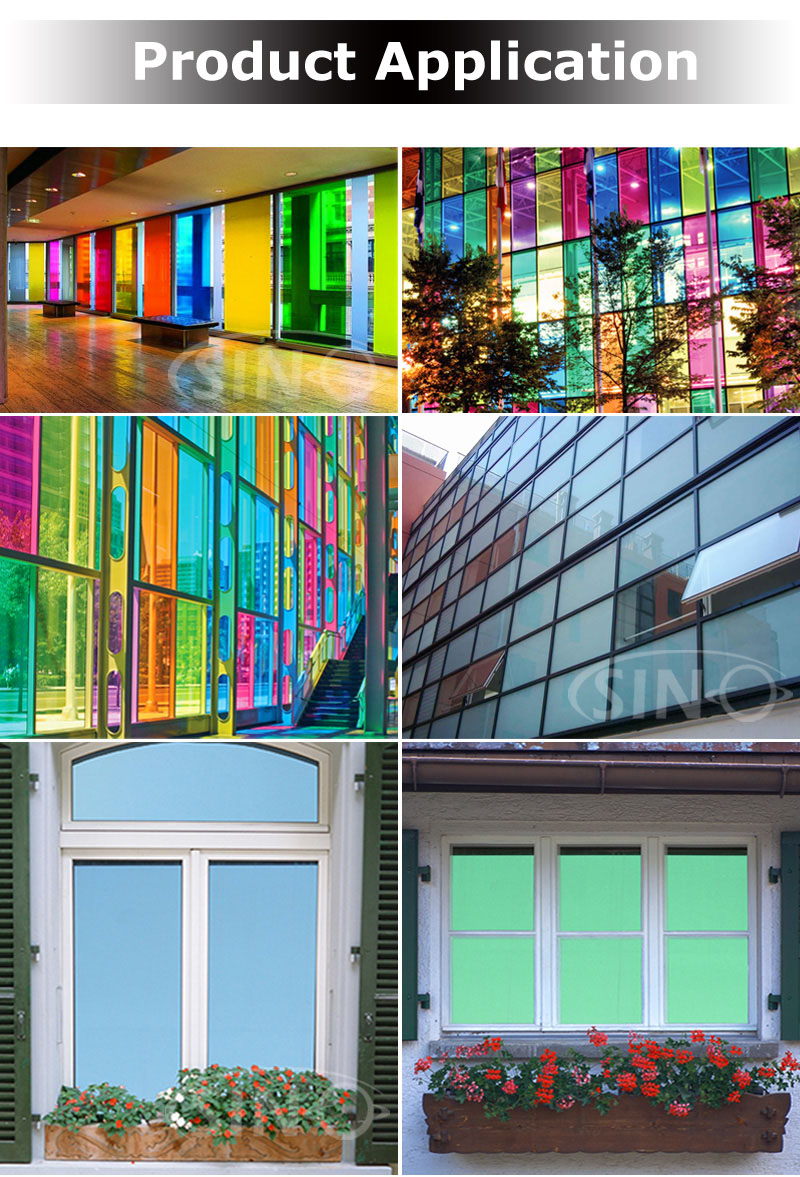
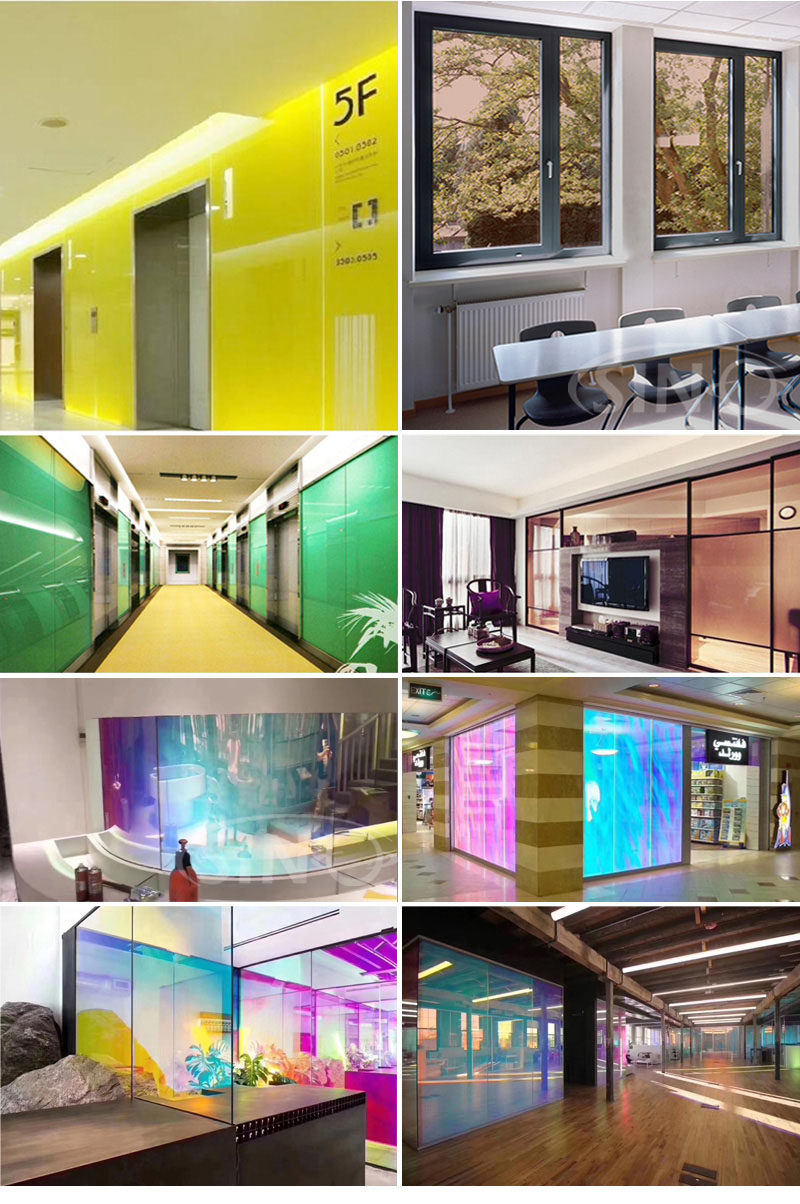
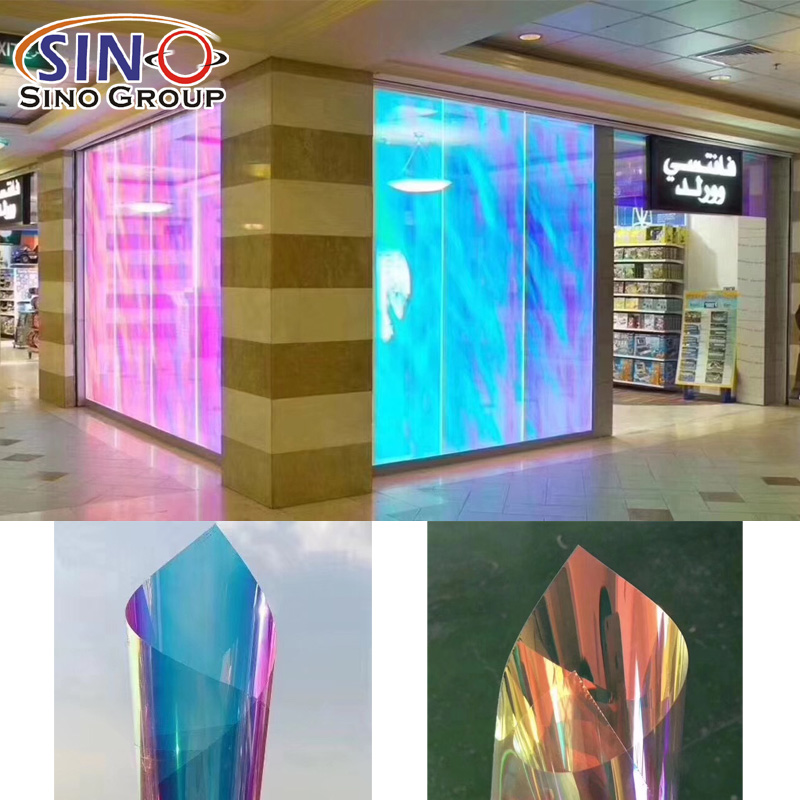
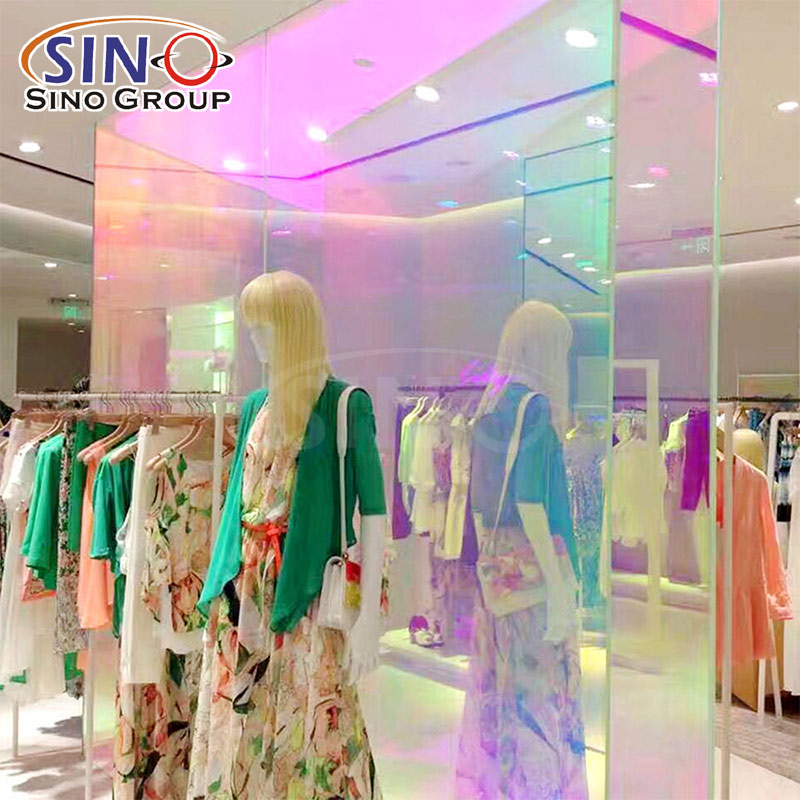
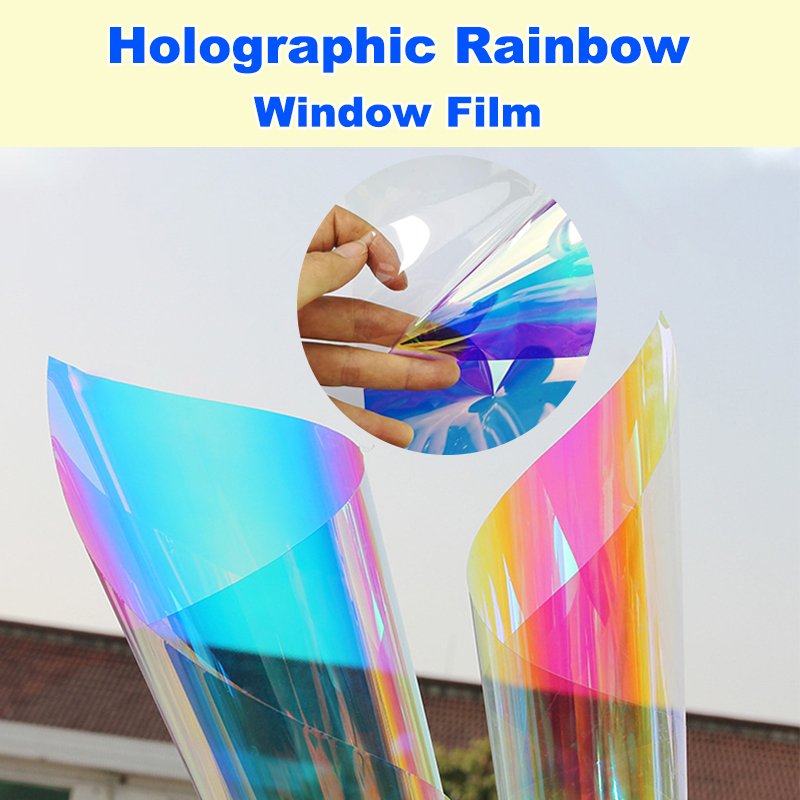
3. Decorative Films: Add aesthetic appeal with patterns or frosted designs.
4. Privacy Films: Prevent visibility from outside while maintaining light transmission inside.
5. UV Protection Films: Block harmful ultraviolet rays, protecting interiors from fading and occupants from UV exposure.
Brief history and evolution of window film technology
1. Early Development (1960s-1970s)
Window film technology began in the 1960s primarily for automotive applications. Early films were rudimentary, focusing mainly on tinting windows to reduce glare and provide privacy. These initial products were made from dyed polyester, which was effective in tinting but often lacked durability and could fade over time.
2. Advancements in Material and Technology (1980s)
The 1980s saw significant advancements in window film technology. Metallized films were introduced, incorporating a thin layer of metal between layers of polyester. These films improved heat rejection, UV protection, and durability compared to their dyed predecessors. Additionally, manufacturers began to produce multi-layer films to enhance performance further.
3. Expansion to Architectural Applications (1990s)
In the 1990s, window film technology expanded beyond automotive uses to include architectural applications. Building owners started using window films to reduce energy costs, improve comfort, and protect interiors from UV damage. This period also saw the development of sputtering and vapor deposition techniques, allowing for the creation of films with better optical clarity and performance characteristics.
4. Modern Innovations (2000s-Present)
The 2000s brought about modern innovations, with advancements in nanotechnology and the development of ceramic and nano-ceramic films. These films offer superior heat rejection, UV protection, and clarity without the metallic appearance of older films. The era also saw the introduction of safety and security films, designed to hold glass fragments together in the event of breakage, providing additional protection against accidents and break-ins.
5. Contemporary Trends
Today, window film technology continues to evolve with a focus on sustainability and smart technology. Innovations include films that can transition between clear and tinted states (electrochromic films), enhancing energy efficiency and user comfort dynamically. Additionally, films with advanced coatings that block infrared radiation are becoming popular in both automotive and architectural sectors.
Benefits of Using Window Films in Buildings
1. Energy Efficiency
- Reduced Energy Costs:** Window films can significantly reduce heating and cooling costs by improving insulation and blocking heat from the sun.
- Temperature Regulation: Helps maintain a consistent indoor temperature, reducing the load on HVAC systems.
2. UV Protection
- Block Harmful UV Rays: Window films can block up to 99% of harmful UV rays, protecting occupants from skin damage and preventing interior furnishings from fading.
3. Enhanced Comfort
- Glare Reduction: Minimizes glare from the sun, improving comfort for occupants and reducing eye strain, particularly important in office environments.
4. Increased Privacy and Security
- Privacy: Tinted films provide privacy by preventing outsiders from easily seeing inside.
- Security: Security films can hold glass fragments together in case of breakage, reducing the risk of injury and deterring break-ins.
5. Aesthetic Improvements
- Improved Appearance: Window films can enhance the appearance of a building by giving it a sleek, uniform look. Decorative films can add stylish patterns or designs.
- Customization: Available in various shades and styles, allowing customization to match architectural design and aesthetic preferences.
6. Environmental Benefits
- Reduced Carbon Footprint: By lowering energy consumption, window films contribute to reducing a building’s overall carbon footprint.
- Sustainability: Many window films are made from sustainable materials and can be an environmentally friendly option compared to other forms of window treatment.
7. Protection Against Damage
- Weather Protection: Protects windows from damage caused by storms and high winds.
- Prolonged Window Life: Helps prevent cracking and warping of windows due to constant exposure to the sun and other elements.


Rainbow Window Film