1. Regular Cleaning
Use Gentle Cleaners
Clean your window films with a mild, non-abrasive cleaning solution. Avoid using ammonia-based products, as they can degrade the film over time. A mixture of water and a small amount of dish soap is usually sufficient.
Soft Cloths and Sponges
Use soft, non-scratch cloths or sponges to clean the surface. Microfiber cloths are ideal as they effectively remove dirt without scratching.
Avoid Abrasive Tools
Do not use brushes, scouring pads, or any abrasive tools that could scratch or damage the film.
2. Routine Inspection
Visual Checks
Regularly inspect the window films for signs of damage such as peeling, bubbling, or discoloration. Early detection of issues can prevent further damage.
Edge Examination
Pay special attention to the edges of the film, where peeling or lifting can begin. Ensure the edges are secure and reapply adhesive if necessary.
3. Preventing Physical Damage
Be Cautious with Sharp Objects
Keep sharp objects away from the windows to prevent accidental scratches or tears in the film.
Protect from Pets and Children
If you have pets or young children, ensure they do not scratch or poke at the window films.
4. Environmental Protection
Sun Protection
Use curtains or blinds during peak sunlight hours to protect the film from excessive UV exposure, which can cause fading and degradation over time.
Temperature Regulation
Extreme temperatures can affect the adhesive and integrity of the film. Keep the indoor environment at a moderate temperature to avoid thermal stress on the film.
5. Professional Maintenance
Scheduled Professional Cleaning
Consider having your window films professionally cleaned periodically. Professionals use specialized tools and solutions that are safe for window films.
Repair Services
For significant damage, such as large tears or extensive peeling, contact a professional to repair or replace the film. DIY repairs can sometimes worsen the damage.
6. Avoiding Chemical Exposure
No Harsh Chemicals
Do not use strong chemicals like acetone, bleach, or other harsh solvents on the window films as they can cause discoloration and weaken the film.
Protect from Cleaners
When cleaning nearby surfaces, ensure that cleaning solutions do not splash onto the window films.
7. Managing Moisture and Condensation
Reduce Condensation
Condensation can lead to mold growth and degradation of the adhesive. Use a dehumidifier in rooms prone to high humidity to reduce condensation on the windows.
Proper Ventilation
Ensure proper ventilation in rooms with high humidity, such as bathrooms and kitchens, to prevent moisture buildup.
8. Addressing Wear and Tear
Minor Repairs
For small scratches or bubbles, you can use a film repair kit available from most window film suppliers. Follow the instructions carefully to avoid further damage.
Replace When Necessary
If the film shows significant wear and tear, consider replacing it. Over time, even well-maintained films may need replacement to continue providing their benefits.
By following these maintenance tips, you can significantly extend the lifespan and effectiveness of your window films, ensuring they continue to provide benefits such as UV protection, energy savings, and enhanced privacy for many years.

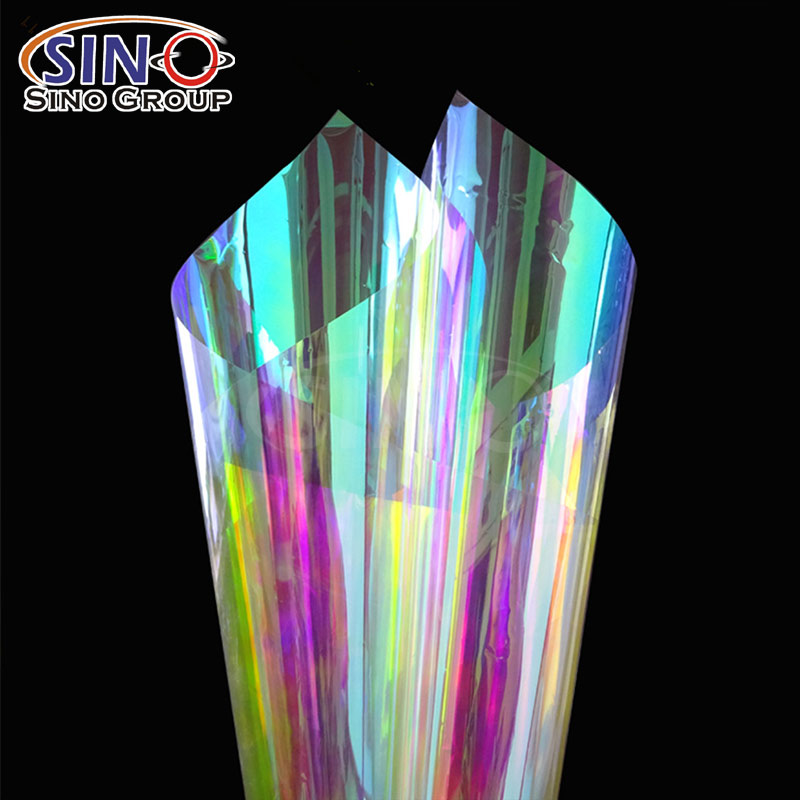
Rainbow Window Film


Rainbow Window Film


Rainbow Window Film