Walking into the world of self-adhesive vinyl can feel overwhelming. With so many options, how do you know which one is right for your project? As someone who’s spent years in this industry, I can tell you that you don’t need to memorize every spec. You just need to understand two key players: Liner Weight and Film Thickness.
Think of it this way: the liner is the vinyl’s “skeleton,” and the film is its “skin.” Getting this duo right is the secret to a successful, long-lasting print.
Let’s break down what these terms really mean for your work.

Part 1: The Skeleton – Understanding Liner Weight (g/m²)
The liner is the paper backing that holds the vinyl together before application. Its weight determines how sturdy and stable it is during printing and handling.
Lightweight Liner (< 100g/m²)
-
The Vibe: Thin, soft, and very flexible.
-
The Good: It’s easy to cut and feeds through printers smoothly, which is a blessing for older machines. It’s also a budget-friendly option.
-
The Not-So-Good: It lacks support. On large-format prints, it can stretch inside the printer, leading to misalignment.
-
My Pick For: Low-precision, short-term indoor ads or decals.
Standard Weight Liner (120g – 140g/m²)
-
The Vibe: Stiff, sturdy, and reliable.
-
The Good: This is the gold standard for a reason. It offers excellent stability, minimizing stretch for perfect color registration. It’s the go-to choice for most commercial and industrial printers.
-
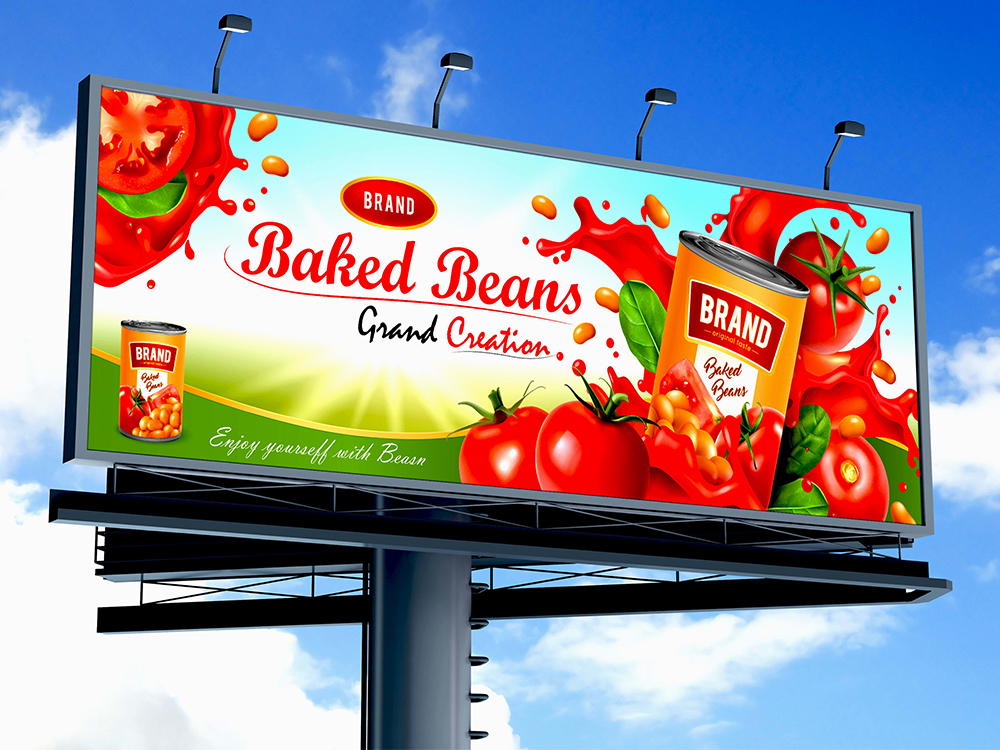
My Pick For: Virtually all outdoor advertising, lightboxes, and any high-precision graphic.
Heavyweight Liner (> 140g/m²)
-
The Vibe: Very thick and rigid, almost like cardstock.
-
The Good: Maximum stability. It barely moves, making it ideal for extra-large prints and long print runs.
-
The Not-So-Good: It’s more expensive and demands a powerful printer. Some desktop models might struggle to pull it through.
-
My Pick For: High-end, long-term outdoor projects and applications where absolute precision is non-negotiable.

Part 2: The Skin – Understanding Film Thickness (microns, μm)
This is the actual vinyl layer that gets printed on. Its thickness directly impacts how durable your final product will be.
Thin Film (70 – 90 μm)
-
The Vibe: Soft, pliable, and cost-effective.
-
The Good: It stretches and conforms beautifully to complex curves and contours (perfect for car wrapping!).
-
The Not-So-Good: It’s less resistant to tearing and general wear and tear.
-
My Pick For: Short-term promotional stickers, vehicle graphics, and indoor display boards.
Medium Film (100 – 120 μm)
-
The Vibe: The perfect balance of durability and flexibility.
-
The Good: It offers great tear and puncture resistance while still being manageable to apply. This is the sweet spot for many professionals.
-
My Pick For: Your go-to for most outdoor ads—think bus shelters, construction hoardings, and lightboxes.
Thick Film (> 120 μm)
-
The Vibe: Tough, rigid, and heavy-duty.
-
The Good: Extreme durability, weather resistance, and mechanical strength. It also has better opacity, which is crucial for backlit displays.
-
The Not-So-Good: It’s pricier and can be challenging to apply on uneven surfaces.
-
My Pick For: Long-term (3-5+ years) outdoor signage, highway billboards, and any application requiring superior wind resistance.

The Perfect Pair: How to Make Your Choice
So, how do you put this all together? Let’s look at a common comparison: a 120g/100μm vinyl vs. a 140g/120μm vinyl.
-
The 140g liner will be more rigid than the 120g, providing better support and reducing the risk of stretching or jamming in your printer, especially on large jobs.
-
The 120μm film will be significantly more tear-resistant and durable than the 100μm film, offering better longevity for outdoor use.

Here is my simple framework for choosing:
-
For Maximum Durability: Choose a higher weight and thickness combo (like 140g/120μm). This is your best bet for long-term outdoor ads, vehicle graphics, or any application that needs to withstand the elements.
-
For Cost-Effectiveness & Flexibility: A standard combination (like 120g/100μm) is often perfectly sufficient. It’s great for short-term indoor ads and is easier to work with on curved surfaces.
-
The Golden Rule: Check Your Printer’s Compatibility! This is the most important step. Always confirm that your printer can handle the total thickness of the vinyl you choose. Using an incompatible material is a fast track to print head strikes, jams, and wasted money.
By understanding the dynamic duo of liner weight and film thickness, you can move from guessing to knowing. You’ll choose the right material with confidence, save money on wasted prints, and deliver a superior final product every time.

Frequently Asked Questions: Choosing Self-Adhesive Vinyl
Q1: What’s the most important thing to look for in a vinyl for outdoor use?
A: For outdoor projects, you need to focus on durability. This means choosing a vinyl with a medium to thick film (at least 100 microns) for tear resistance and a vinyl that comes with a long-term warranty against fading, usually 3 years or more. Don’t use a thin, indoor-grade material outside, or it will fail quickly.
Q2: I have an older printer. What type of vinyl should I use to avoid jams?
A: To be safe, start with a lightweight liner (under 100g/m²). This thinner, more flexible backing feeds through older printers much more smoothly and puts less strain on the mechanics, significantly reducing the risk of jams and misalignment.
Q3: What’s the real difference between a cheap vinyl and a premium one?
A: The difference comes down to consistency and longevity. A cheap vinyl might save you money upfront, but it often has inconsistent color, weaker adhesive, and fades faster. A premium vinyl guarantees the color and performance will be the same from one roll to the next and will last for years without failing, protecting your reputation.