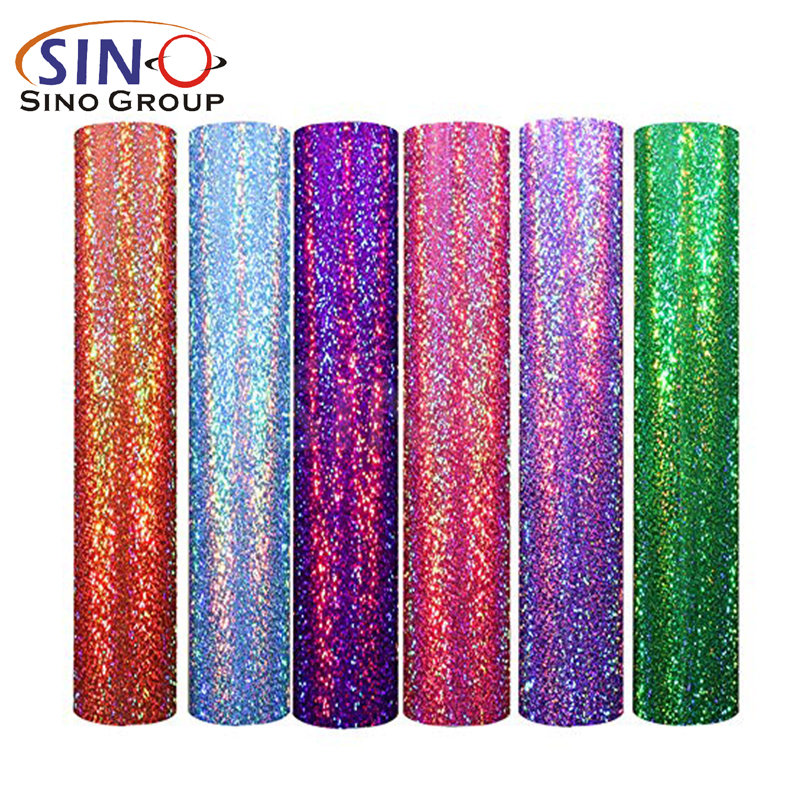
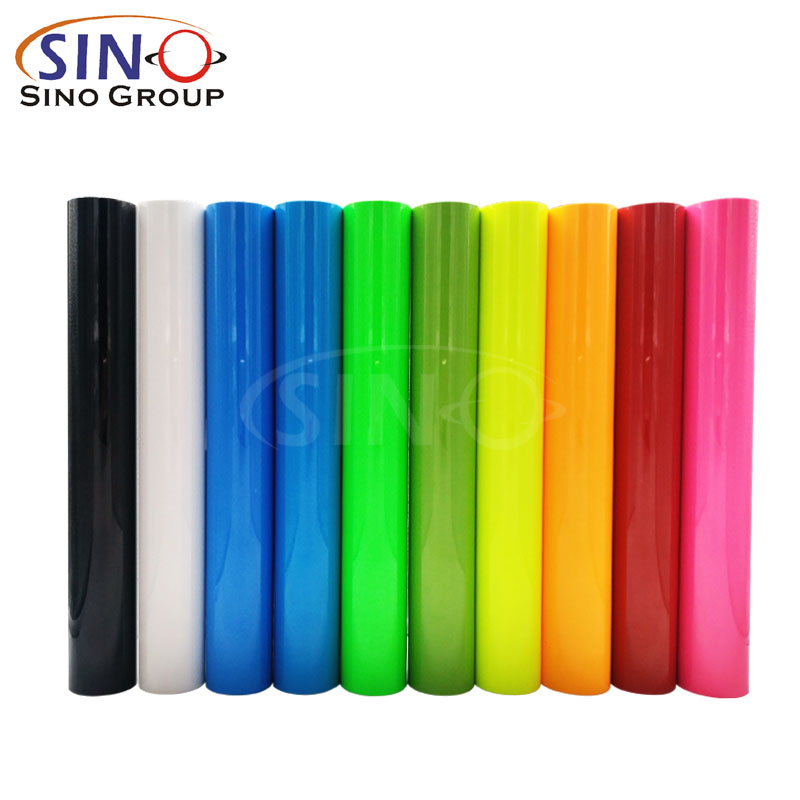
Have you ever dreamed of designing your own custom t-shirts, hats, or tote bags? Heat Transfer Vinyl (HTV), also known as cut vinyl or iron-on vinyl, is your magic key to turning those creative visions into wearable reality! Whether you’re making team jerseys, event merchandise, or starting your own small custom apparel brand, mastering this technique opens up a world of possibilities.
In this comprehensive guide, we’ll walk you through the entire process, transforming you from a beginner into a confident HTV crafter!

Why Choose Heat Transfer Vinyl?
Before we dive into the steps, let’s talk about why HTV is so popular:
-
User-Friendly: No massive industrial equipment needed—perfect for home-based businesses and hobbyists.
-
Incredibly Versatile: A vast range of types including stretch, glitter, metallic, flock, and reflective.
-
Durable: When applied correctly, designs withstand many washes.
-
Limitless Creativity: If you can design it and cut it, you can wear it.

Your HTV Toolkit: Everything You Need
Gather these supplies to start your creation:
Core Materials:
-
Heat Transfer Vinyl (Choose the right type for your project: Siser EasyWeed, Cricut Everyday Iron-On, etc.)
-
Transfer Tape (For multi-color designs or intricate weeding)
-
Protective Sheet (Teflon sheet or parchment paper)
Essential Equipment:
-
Cutting Machine (Such as Cricut, Silhouette, or professional-grade plotters)
-
Heat Press (Highly recommended for consistent results) or a Home Iron
-
Computer & Design Software (Cricut Design Space, Silhouette Studio, Adobe Illustrator)
Helpful Tools:

The 6-Step Master Process: From Screen to Tee
Step 1: Design – Where Your Vision Takes Shape
It all starts with an idea! Use your design software to create your artwork.
The Crucial Step: Your design must be prepared for cutting. This usually means creating a cut line or path. The machine doesn’t see colors; it follows lines to cut.
Pro Tip: For your first project, start with a simple, bold design. Intricate details can be tricky to weed.
Step 2: The Cut – Precision is Key
-
Load Your Material: Place your HTV sheet or roll onto your cutting mat with the shiny/plastic carrier sheet facing DOWN. The mat grips the rough backing.
-
Mirror Your Design: This is non-negotiable! Before sending to cut, mirror or reverse your image horizontally. You’ll be applying it face-down, so it must be mirrored to read correctly when finished.
-
Set Machine Parameters: Adjust your cut settings (blade pressure, speed) according to your specific vinyl and machine. Always do a test cut first! The goal is to cut through the vinyl layer but not through the clear carrier sheet.
Step 3: Weeding – The Art of Removal
This is the meditative part! After cutting, remove the excess vinyl material around and inside your design using weeding tools.
-
Peel away the large negative spaces.
-
Use a fine-tip hook or tweezers for small details and the centers of letters like ‘O’ or ‘A’.
-
What remains on the carrier sheet is your perfect, sticky design, ready to be transferred.
Step 4: Preparation & Positioning – Set Up for Success
-
Preheat Your Heat Press: Set it to the temperature, time, and pressure specified by your HTV manufacturer’s instructions. Different materials require different settings (typically 270-330°F).
-
Prepare the Garment: Place it on the press, pre-press it for 2-3 seconds to remove moisture and wrinkles. Let it cool.
-
Position Your Design: Place your weeded vinyl on the garment with the carrier sheet facing UP. Use a ruler for centering. For complex placement, you can use heat-resistant tape to secure the corners.
Step 5: Pressing – The Moment of Transformation
-
Cover It Up: Place a protective sheet (Teflon or parchment paper) over your design. This prevents the heat plate from sticking to or melting the vinyl.
-
Press It! Lower the heat press firmly. Ensure even pressure across the entire design. Follow the recommended time exactly. Don’t peek!
-
The Peel Method – Hot vs. Cold: This is critical!
-
Hot Peel: Immediately after the timer beeps, peel the carrier sheet back at a 180-degree angle while the vinyl is still hot. (Common for some brands like Siser EasyWeed).
-
Cold Peel: After pressing, let the item cool completely to room temperature (10-15 seconds), then peel the carrier sheet. (Common for Cricut Iron-On).
-
Always check your vinyl’s instructions for the correct peel method!
Step 6: The Finished Product – Wear It With Pride!
Once the carrier sheet is removed, your design is permanently fused to the fabric! For best durability, wait 24 hours before washing. Turn the garment inside out and wash in cold water. Tumble dry on low or air dry.

Pro Tips & Troubleshooting
-
Test First: Always run a test on a scrap piece of similar fabric.
-
Pressure Matters: A clamshell heat press provides more even pressure than a swing-away, which is better than a home iron.
-
Fabric Compatibility: HTV works best on cotton, polyester, and blends. Avoid waterproof or heavily textured fabrics.
-
Common Issue: Peeling? Likely caused by insufficient temperature, time, pressure, or using the wrong peel method.
-
Common Issue: Cracking? Usually means the fabric is too stretchy for the vinyl type used, or it was washed too soon.

Ready to Start Your HTV Journey?
Heat Transfer Vinyl is a rewarding and creative craft. With this guide and a little practice, you’ll be producing professional-looking custom items in no time. Start with a simple project, follow the steps carefully, and most importantly—have fun!

FAQ
FAQ: Your Heat Transfer Vinyl Questions, Answered
Q1: Can I use a regular household iron instead of a heat press?
A: Yes, you can! A heat press is recommended for consistent, professional results because it applies even heat and pressure. However, a household iron is a great tool for beginners or occasional projects.
Key tips for using an iron:
-
Use the highest cotton setting (no steam).
-
Press down firmly with all your weight—don’t glide the iron.
-
Cover your design with parchment paper.
-
Press for longer than recommended (often 30-45 seconds with heavy pressure), and work in sections for large designs.
-
Results may vary, especially with stretchy or dense materials, so always do a test first.
Q2: Why did my design peel or crack after washing?
A: This is a common issue, usually caused by one of these factors:
-
Incorrect Application: The number one cause. Ensure you reached the correct Temperature, Time, and Pressure for your specific vinyl and fabric.
-
Wrong Peel Method: Peeling the carrier sheet while hot when it requires a cold peel (or vice-versa) can weaken adhesion.
-
Washed Too Soon: Always wait at least 24 hours after pressing for the adhesive to fully cure before washing.
-
Wrong Vinyl for the Fabric: Using a non-stretch vinyl on a very stretchy fabric will cause cracks. Always match the vinyl type (e.g., “Sportflex” or “Stretch”) to the garment.
-
Wash/Care Instructions: Turn the garment inside out and wash in cold water. Avoid harsh detergents and high-heat drying.
Q3: How do I do a multi-colored (layered) design?
A: Layering HTV is an advanced but rewarding technique. The core principle is “Press, Peel, Layer, Repeat.”
-
Cut & Weed: Cut each color layer from a separate piece of vinyl.
-
Press the Base Layer: Apply your bottom color layer first (e.g., a large background shape).
-
Use Transfer Tape: After the base layer cools, apply a piece of clear transfer tape over your next color layer. Weed it, then use the tape to pick up the entire design, lifting it off its carrier sheet.
-
Align & Press: Carefully align the new layer over the base layer on your garment. Press it according to its instructions. The transfer tape allows for precise placement.
-
Repeat: Continue this process for each subsequent layer, always working from the bottom layer up.