So you’ve just applied a stunning vinyl wrap. But that brilliant finish has a silent enemy: the sun. Without the right defense, heat and UV rays will fade and damage your wrap from the inside out. This isn’t just about shade—it’s about science. As a dealer, your reputation depends on longevity. Let me guide you through choosing the best car window tint, from film technology and color matching to safe installation and legal compliance, to protect your art and your investment.
1. Why Car Window Tint is Non-Negotiable for Vinyl Wrap Protection
Let me be blunt: selling or applying a vinyl wrap without discussing high-performance window tint is like building a roof without shingles. It looks finished, but it’s fundamentally unprotected. A vinyl wrap is a brilliant shield for factory paint, but it’s also a thermoplastic material that reacts continuously to temperature and solar radiation. The moment sunlight pours through untreated glass, it creates a greenhouse effect, superheating the interior surfaces your wrap is bonded to. This constant thermal expansion and contraction stresses the adhesive. More critically, the flood of ultraviolet rays breaks down the vinyl’s polymers and pigments at a chemical level, leading to fading and brittleness from the inside out. As a dealer, your reputation hinges on longevity. Recommending premium car window tint isn’t an upsell; it’s the critical second half of a complete protection package. It’s the difference between a client seeing fade in eighteen months and a finish that looks deep and vibrant for years.
2. Understanding Heat: How the Right Car Window Tint Saves Your Wrap
Infrared radiation (IR) is the invisible component of sunlight we feel as heat. When it passes through clear glass, it soaks into your dashboard, seats, and—most importantly—the interior pillars, door sills, and rear deck that are often wrapped. This trapped heat has two devastating effects. First, it dramatically raises the substrate temperature the vinyl is stuck to. Vinyl adhesives are designed for a range of temperatures, and chronic, extreme heat can cause them to plasticize, leading to edges lifting, bubbling, or a loss of conformability. Second, that heat radiates outward, cooking the wrap from behind. A high-quality car window tint, specifically ceramic or advanced carbon film, acts as a selective filter. It allows visible light in but reflects or absorbs a significant percentage (up to 60-70% with premium films) of this infrared energy beforeit ever enters the cabin. By managing the interior ambient temperature, you’re not just making the car more comfortable; you’re creating a stable, thermally manageable environment that drastically extends the functional life and appearance of the vinyl.
3. UV Ray Defense: The #1 Job of Car Window Tint for Wrap Longevity
If heat is the wrap’s stressor, ultraviolet rays are its executioner. UV radiation is the primary cause of color fading and material degradation for virtually everything it touches. Factory auto glass blocks most UVB rays but only a small percentage of UVA rays—the ones that cause deep, penetrating damage. These UVA rays will pass right through the window and attack the vinyl’s molecular structure, bleaching pigments and breaking down the plasticizers that keep it flexible. This leads to that chalky, faded look, and it happens relentlessly, even on cloudy days. Any reputable car window tint worth considering will block 99% or more of all UV radiation. This single feature is the most powerful preservation tool you can add. It’s like putting a permanent, invisible sunscreen over the entire interior. For a vinyl-wrapped car, this isn’t a feature; it’s the core requirement. It protects not just the wrap, but the underlying paint, the dashboard, the upholstery—everything the light touches.

4. Ceramic vs. Carbon: Choosing Car Window Tint Performance for Wrapped Cars
This is the most crucial decision for performance. Dyed films are a non-starter; they fade and offer minimal heat rejection. For a wrapped vehicle, you need advanced film technology.
-
Carbon Tint: This is a fantastic mid-to-high tier option. It uses carbon particles to block heat and UV, providing excellent fade resistance (the film itself won’t turn purple) and a deep, rich, matte-black appearance that looks superb. It rejects a very good amount of infrared heat (typically 40-50%) and blocks 99% UV. It’s a strong, durable choice that doesn’t interfere with radio signals.
-
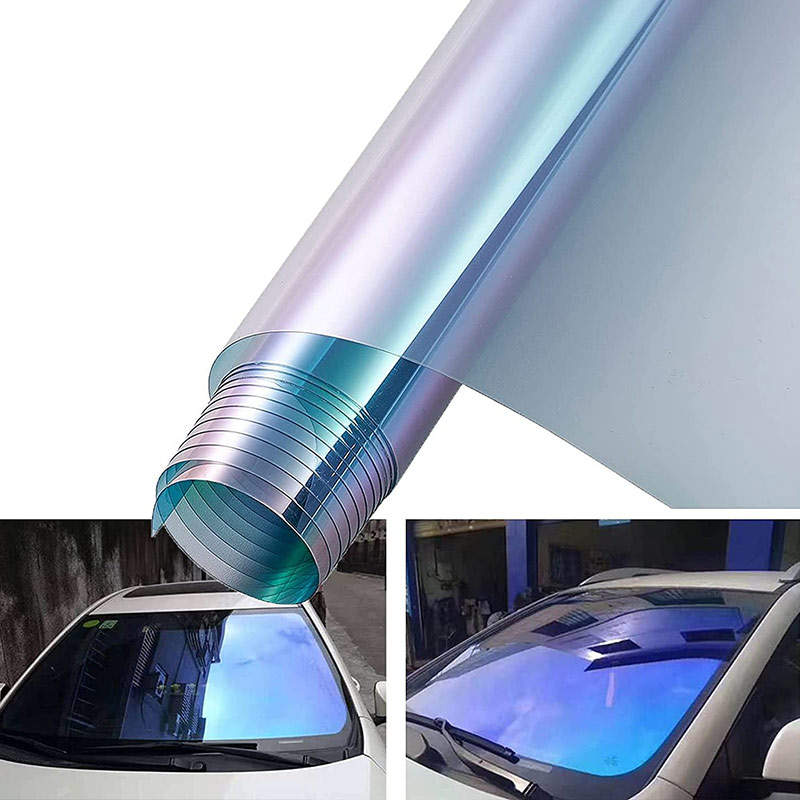
Ceramic Tint: This is the pinnacle for protection. Ceramic films use nano-ceramic particles suspended in the adhesive that are non-metallic and non-conductive. They are unparalleled at selectively filtering sunlight. They reject the highest levels of infrared heat (often 50-70%), block 99% UV, and do it all while maintaining exceptional clarity and without altering the color perception of your wrap. For a high-value or vividly colored wrap, ceramic is my unequivocal recommendation. It provides the most stable interior climate, offering the absolute best defense for your vinyl investment. The price is higher, but the performance is quantifiably superior.
5. Color Coordination: Matching Your Car Window Tint Shade to the Vinyl Wrap
This is where art meets science. The shade (Visible Light Transmission or VLT) of your car window tint should complement, not conflict with, the wrap. A sleek, satin-black wrap might demand a deep, uniform 5% or 20% VLT for a sinister, cohesive look. A vibrant pastel or bright chrome wrap, however, could be overwhelmed by a super dark tint. A moderate 35% might offer the perfect balance of privacy and protection while allowing the wrap’s color to shine clearly from the outside. I always keep a physical sample book of my vinyl colors next to my tint shade samples. Hold them together. Look at the combo in natural light. Consider the client’s local tint laws—a cohesive look is ruined by a fix-it ticket. The goal is harmony. The tint should frame the wrap like a matte frames a painting, not distract from it.
6. The Installation Process: Applying Car Window Tint to a Wrapped Vehicle Safely
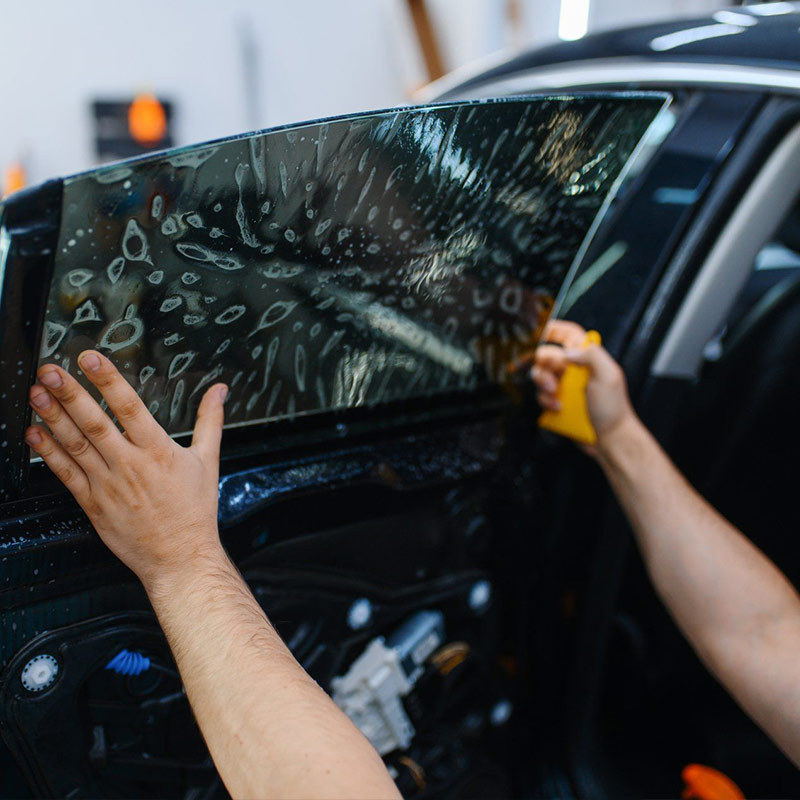
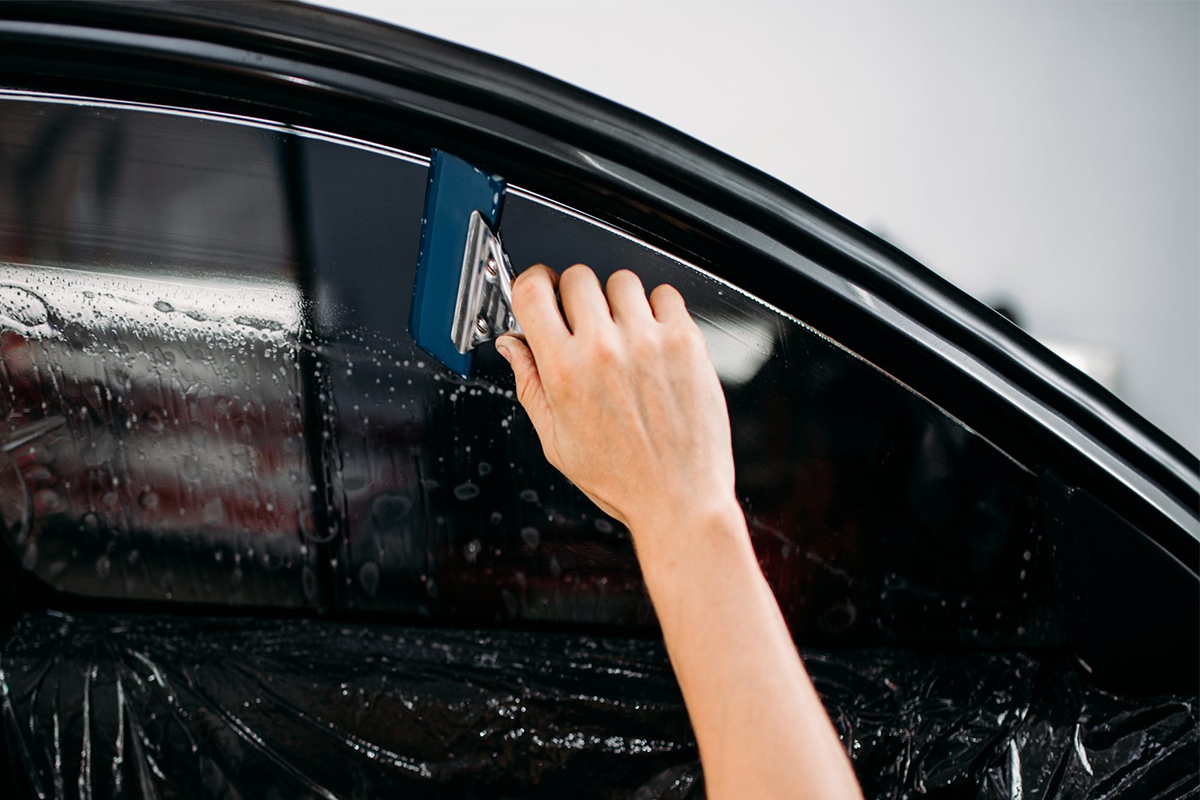
Caution is paramount here. The process isn’t different, but the margin for error is zero. A wrapped vehicle requires an installer who understands they are working on a finished surface, not factory paint. My number one rule: all trimming and preparation of the film must be done off the vehicle. Any cutting or rough trimming near the edges of the glass risks slipping and scoring or lifting the adjacent wrap. When applying the slip solution (soapy water), I use minimal spray and protect every inch of the adjacent wrapped pillars and door sills with fresh, clean microfiber towels taped in place. The goal is to prevent any solution, which can contain adhesive, from seeping behind the wrap edges. Installation must be meticulous, clean, and dry. A seasoned installer who respects the wrap is worth their weight in gold.
7. The Adhesive Question: Will Car Window Tint Damage My Vinyl Wrap?
This is the most common fear, and the answer is a definitive no, not if it’s done correctly. The adhesive on quality car window tint is pressure-activated and is designed to bond onlyto the interior surface of the glass. It has zero adhesive properties on its reverse, non-sticky side. During installation, the film is applied to the inside of the window, with the adhesive pressed firmly against the glass. The outer surface of the film and the solution used during installation will not interact with or damage the vinyl wrap on the exterior of the door or pillar. The risk comes not from the adhesive, but from installer error—using a blade carelessly or allowing dirty, gritty solution to dry along the wrap’s edge. With a professional, wrap-savvy installer, the processes are completely separate and safe.
8. Legal Shades: Navigating Car Window Tint Laws for Your Wrapped Fleet
This is a non-negotiable business safeguard. Tint laws (governing VLT percentage) vary wildly by state and province. As a dealer, you must know the laws for your region andwhere your clients typically register their vehicles. Installing a 5% limo tint on a dealer inventory car in a state where the legal limit is 35% creates a massive liability and hassle for the buyer. I always recommend two paths: Either tint all inventory vehicles to the minimumlegal VLT of your primary market (ensuring compliance for all), or have a clear, documented conversation with the buyer about their local laws before application. Provide them with the specific film and VLT you use. An illegal tint can lead to fines, failed inspections, and the costly, messy removal of the film—a terrible experience that reflects poorly on your entire operation, wrap included.
9. Maintenance 101: Caring for Your Car Window Tint and Vinyl Wrap Together
Protection is a package deal, and so is maintenance. The good news is, the rules are similar and simple. For the first week after car window tint installation, leave the windows up to let the adhesive cure fully. After that, clean both the exterior wrap and the interior tint with soft, non-abrasive microfiber cloths. Use only gentle, ammonia-free cleaners (ammonia will break down the tint’s adhesives and dyes over time). I recommend a dedicated automotive detail spray for the wrap and a simple solution of water with a drop of dish soap for the tint. Never use scrapers, abrasive pads, or harsh chemicals. A proper maintenance routine preserves the clarity of the tint and the gloss of the wrap, ensuring the entire vehicle continues to look professionally finished for the long haul.
10. The Dealer’s Checklist: Specifying Car Window Tint for Vinyl-Wrapped Inventory
This is your actionable takeaway. When specifying car window tint for a wrapped vehicle, my mental checklist is this:
-
Film Type: Ceramic (first choice) or high-quality Carbon. No dyed films.
-
UV Block: 99% minimum. Non-negotiable.
-
IR Rejection: Target 50% or higher for meaningful heat reduction.
-
Shade (VLT): Choose a shade that complements the wrap’s color and is legal in your target market.
-
Installation Partner: Use only an installer experienced with and respectful of wrapped vehicles.
-
Documentation: Provide the buyer with the film manufacturer’s warranty and care instructions.
-
Communication: Frame the tint as the essential, final layer of the wrap protection system, not an optional accessory. Your confidence in this recommendation will secure theirs.

Conclusion:
Choosing the right car window tint for a vinyl-wrapped vehicle is what separates a temporary showpiece from a lasting investment. It’s the crucial, final step that shields your work and your client’s pride from the inside out. By pairing every wrap with a high-performance film, you’re not just selling a look—you’re guaranteeing durability, comfort, and the peace of mind that comes with true protection. In my experience, it’s this complete, thoughtful package that builds trust, ensures stunning results for years, and truly defines a professional’s craft. So, spec that tint with confidence. It’s the smartest way to protect your art and your reputation, one flawless car at a time.