If you’ve been in the automotive paint protection business for a few years, you’ve probably noticed something.
Customers are not asking whether they need paint protection anymore.
They’re asking which one lasts longer.
And more importantly — which one is worth the money.
This shift is exactly why premium TPU PPF is no longer a “high-end niche product”.
It’s becoming the new standard.
Especially for distributors and wholesalers who want stable business, not one-time orders.

1. The Market Is Changing — Faster Than Many Expected
Five years ago, most markets were still price-driven.
Installers asked one main question: How cheap can you go?
That question still exists. But it’s no longer the only one.
Today, many wholesalers tell us the same thing:
– Cheap PPF brings complaints.
– Complaints kill installer confidence.
– Installers switch brands fast when customers are unhappy.
In hot regions, this problem shows up even faster.
Yellowing.
Adhesive failure.
Edges lifting after a few months.
So distributors are quietly changing strategy.
Less focus on “lowest price”.
More focus on stable quality and repeat orders.
That’s where premium automotive paint protection film comes in.

2. Why Aliphatic TPU Film Actually Matters in Real Life
Aliphatic TPU film is one of those terms that sounds technical.
But for wholesalers, it’s very practical.
Here’s the simple version.
Aromatic TPU looks fine at the beginning.
Glossy. Clear. Easy to sell.
But after months of UV exposure?
– It yellows.
– It loses clarity.
– Customers blame the installer — not the material.
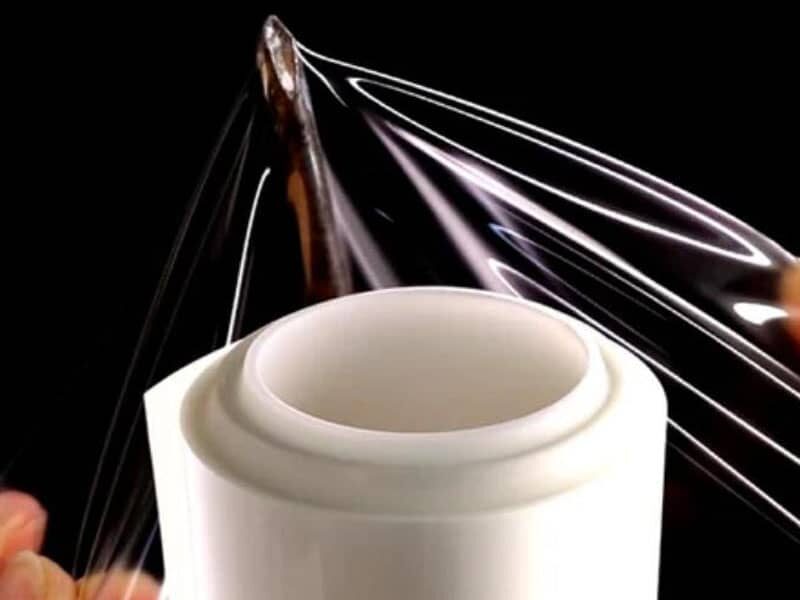
Aliphatic TPU film behaves differently.
√ It resists UV much better.
√ It keeps clarity longer.
√ And most importantly, it reduces after-sales disputes.
Many experienced distributors already know this:
It’s cheaper to sell a better product than to handle endless complaints.
That’s why aliphatic TPU film is now a key requirement in premium car paint protection.

3. Heat Resistance Is Not Optional Anymore
This is something many buyers only learn the hard way.
In hot climates — Middle East, Africa, Latin America, Southern Europe — heat is the real test.
Not lab data.
Not brochures.
Real heat.
When the surface temperature hits 60–70°C:
– Weak adhesive starts to move.
– Cheap topcoat softens.
– Orange peel becomes visible.
Installers complain first.
Then wholesalers get the calls.
A heat resistant paint protection film doesn’t just survive heat.
It stays stable.
That stability means:
√ Fewer edge failures
√ Less rework
√ Better installer loyalty
From a wholesaler’s perspective, this is not a technical detail.
It’s a business advantage.

4. Self-Healing Is Expected, Not a Luxury
A few years ago, self-healing was a selling point.
Now?
It’s expected.
End customers watch videos.
They see scratches disappear under heat.
They ask installers directly.
If the film doesn’t self-heal well, the installer looks unprofessional — even if installation was perfect.
Premium TPU PPF usually uses:
√ Better elastic recovery
√ More consistent topcoat formulation
√ More stable performance over time
That consistency matters more than the first impression.
Because one bad experience spreads fast.
Especially in local car communities.

5. What Distributors See That End Customers Don’t
End customers see the surface.
Distributors see the whole chain.
You see:
– Batch consistency
– Claim rates
– Installer feedback
– Reorder cycles
This is where TPU PPF wholesale buyers make very different decisions from retail customers.
A premium product:
√ Moves slightly slower at first
√ But stays in the market longer
√ And builds trust with installers
Many wholesalers eventually realize:
Fast-selling cheap products are risky.
Stable-selling premium products are predictable.
And predictability is what allows scale.

6. Premium PPF Is Easier to Sell Than You Think
There’s a misconception that premium means “hard to sell”.
In reality, it’s often the opposite.
Installers like premium PPF because:
√ It stretches more evenly
√ It repositions better
√ It creates fewer installation errors
√ That makes their job easier.
When installers are confident, they upsell naturally.
No pressure.
No explanation overload.
As a distributor, you don’t need to convince everyone.
You just need the right installers to believe in the product.
Once that happens, the market follows.

7. Long-Term Partners Matter More Than Short-Term Prices
One thing experienced wholesalers agree on:
The product is only half of the equation.
The other half is the supplier.
Premium car paint protection is not forgiving.
Small changes in raw materials show up fast in the market.
That’s why serious distributors look for:
– Consistent material sources
– Stable production processes
– Clear communication
– Long-term supply reliability
Not every factory can handle premium TPU PPF well.
And not every low price is worth the risk.

8. Why Premium TPU PPF Is the Future — Not a Trend
This is not about fashion.
It’s about maturity.
As markets mature:
– Customers expect more
– Installers become selective
– Distributors reduce risk
Premium automotive paint protection film fits this direction naturally.
Better material.
Better performance.
Fewer problems.
And for wholesalers, fewer problems mean one thing:
A healthier business.

Final Thought
If you’re building a distribution business for the next few years — not just the next order — premium TPU PPF is no longer optional.
It’s where the market is going.
Quietly.
But very clearly.