If you’re shopping for car window tint, you’ve probably seen the acronyms UVR and IRR plastered on product specs and marketing materials. They sound technical, but understanding them is the key to choosing the right film for your needs. Forget the financial jargon—in the world of window tint, these metrics are all about protection and comfort.
Let’s break down exactly what UVR and IRR mean and why they should be the cornerstone of your decision.

UVR: Your Invisible Shield Against Sun Damage
UVR stands for Ultraviolet Rejection (or Ultraviolet Radiation Rejection).
This percentage measures how effectively the film blocks the sun’s ultraviolet (UV) rays.
-
Why It’s Crucial: UV rays are invisible but harmful. They are the primary cause of:
-
Skin Damage: Premature aging, sunburn, and long-term risk of skin cancer for you and your passengers.
-
Interior Damage: Fading, cracking, and deterioration of your dashboard, seats, and trim.
-
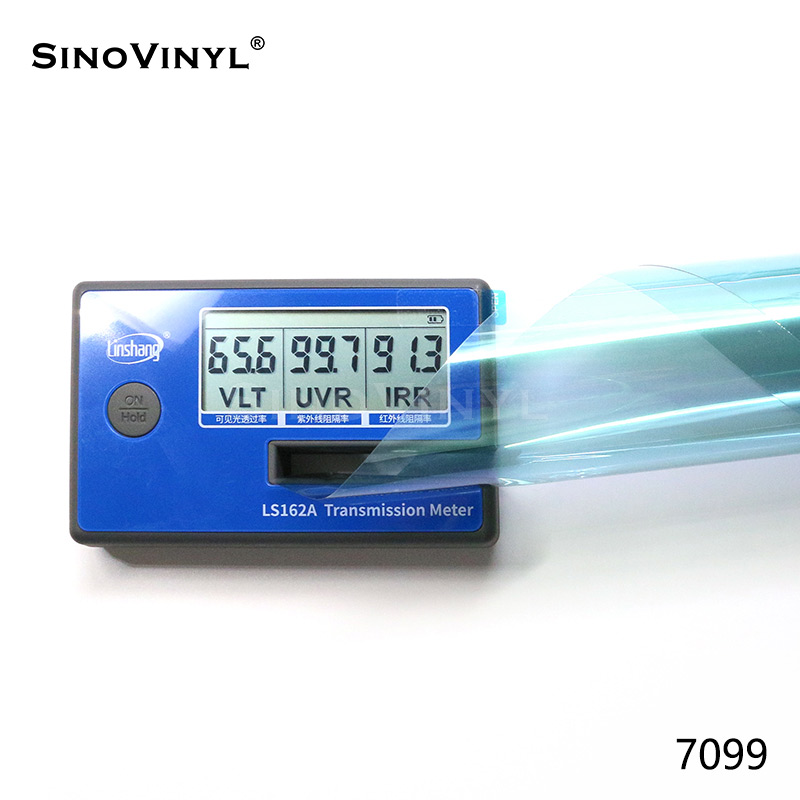
The Benchmark: Any high-quality automotive window film should have a UVR of 99% or higher. This is non-negotiable. Consider it the baseline for a legitimate, protective film. If a product doesn’t meet this, look elsewhere.
Bottom Line for UVR: This is about health and preservation. Don’t settle for anything less than 99%.
IRR: The Key to Staying Cool
IRR stands for Infra-Red Rejection.
This percentage measures the film’s ability to block infrared (IR) rays, which are responsible for the sun’s radiant heat.
-
Why It’s Crucial: While UV rays burn, infrared rays bake. They account for roughly 53% of the solar energy that heats up your car’s interior.
-
A higher IRR means better heat rejection.
-
This leads to a significantly cooler cabin when you get in your parked car.
-
It enhances comfort while driving and reduces the strain on your AC, potentially improving fuel efficiency (for gas vehicles) or battery range (for EVs).
-
The Market Differentiator: IRR is where you see the biggest difference between budget and premium films. Basic dyed films may have an IRR of 40-50%, while high-performance ceramic, nano-ceramic, or advanced metalized films can boast an IRR of 80% to 95% or more.
Bottom Line for IRR: This is about thermal comfort and efficiency. The higher the IRR, the cooler you’ll stay.

The Critical Third Metric: Don’t Forget TSER!
While UVR and IRR are vital, savvy shoppers should ask for one more crucial data point: TSER (Total Solar Energy Rejected).
-
What it is: TSER measures the film’s ability to reject the entire spectrum of solar energy—UV, visible light, and infrared combined. Visible light, while allowing us to see, also carries about 44% of the sun’s heat.
-
Why it’s the True Test: Some films might achieve a high IRR by using dark dyes to absorb infrared heat, but that absorbed heat can still radiate inward. TSER gives you the complete picture of overall thermal performance, accounting for both reflection and absorption. It is the single best number to compare the real-world cooling ability of different films.

Your Quick Guide to Choosing the Right Film
Pro Tips for Your Purchase:
-
Prioritize UVR: Ensure 99% protection first.
-
Match IRR to Your Climate: Live in a hot, sunny area? Invest in a high IRR/TSER film. The upfront cost will pay off in comfort.
-
Demand Official Data: Always ask the installer or manufacturer for independent laboratory test sheets (from reputable labs like the International Window Film Association). This verifies the UVR, IRR, and TSER claims.
-
Balance with Visibility: Especially for the windshield, ensure the film’s Visible Light Transmission (VLT) complies with your local laws (typically 70% VLT or higher in many regions for front side windows) to maintain safety and clarity.

Final Thought
Choosing a window film isn’t just about darkness or privacy. It’s a functional upgrade for your car and your well-being. By focusing on UVR (99%+) for protection and IRR/TSER for comfort, you can cut through the marketing hype and select a film that truly keeps you cooler, safer, and protects your investment for years to come.

FAQ
Q1: My current car windows already block some UV rays. Do I still need a tint with 99% UVR?
A: Yes, absolutely. While most modern automotive glass does block a significant portion of UVB rays (the burning rays), it is far less effective at blocking UVA rays (the aging rays that penetrate deeper). Factory glass typically only provides about 60-75% UVA protection at best. A high-quality window film with a 99%+ UVR rating fills this critical gap, ensuring complete protection for your skin and your car’s interior. Think of it as adding a dedicated, invisible layer of high-SPF sunscreen to your windows.
Q2: If a film has a very high IRR (e.g., 95%), does that automatically mean it has the best overall heat rejection?
A: Not necessarily. While a high IRR is a great indicator of strong performance against infrared heat, it doesn’t tell the full story. The Total Solar Energy Rejected (TSER) is the metric that matters most for overall cabin cooling. Some films achieve high IRR by being very dark and absorbing heat, which can still warm up the glass and interior over time. A film with a slightly lower IRR but a higher TSER might actually keep your car cooler because it reflects a greater percentage of the total solar energy (including visible light heat). Always compare the TSER number from official lab reports for the most accurate comparison of heat-blocking performance.
Q3: For the best heat rejection, should I just choose the darkest tint legally allowed?
A: Darkness (visible light transmission/VLT) is not the same as heat rejection. While a darker film often provides more privacy and can reduce glare, modern high-performance clear or lightly tinted films (like ceramic tints) can reject just as much—or even more—heat than traditional dark dyed films. This is because they use advanced nano-ceramic particles to selectively reflect infrared and UV rays while allowing more visible light to pass through. You can achieve excellent heat rejection (high IRR/TSER) and 99% UV protection while maintaining excellent visibility and complying with strict windshield and front-window tint laws. Focus on the film’s technology (ceramic, etc.) and its lab-tested TSER rating, not just its shade.