Realistic Carbon Fiber Vinyls
You want the head-turning look of carbon fiber without the insane cost. I get it. The secret? Realistic carbon fiber vinyls. But with so many options, how do you avoid a cheap, fake result?
We’ll cover what makes a vinyl look real, my top material picks, and where to use it. I’ll walk you through installation, maintenance, and durability, plus how to avoid common mistakes. Let’s find the perfect wrap to transform your car.
1. What Makes a Carbon Fiber Vinyl Look “Realistic”?
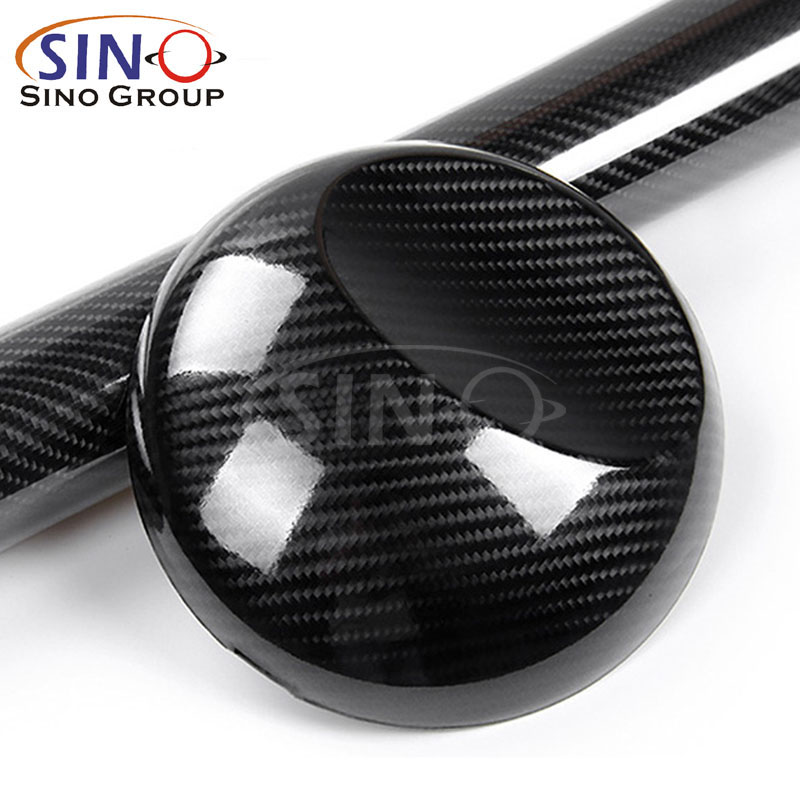
It’s all in the details. First is the weave pattern and depth. Cheap vinyls have a flat, printed pattern that looks like a photograph. Realistic vinyls have a true 3D texture you can feel with your fingernail; the weave has valleys and ridges that mimic the actual fabric. Second is the gloss and clarity. Top-tier vinyls replicate this with a high-definition, glossy laminate that sits overthe textured pattern, creating incredible light reflection and depth. Third is the stretch and conformability. Real carbon fiber lays over complex curves without losing its pattern integrity.

2.The Best Uses for Realistic Carbon Fiber Vinyls on Your Car
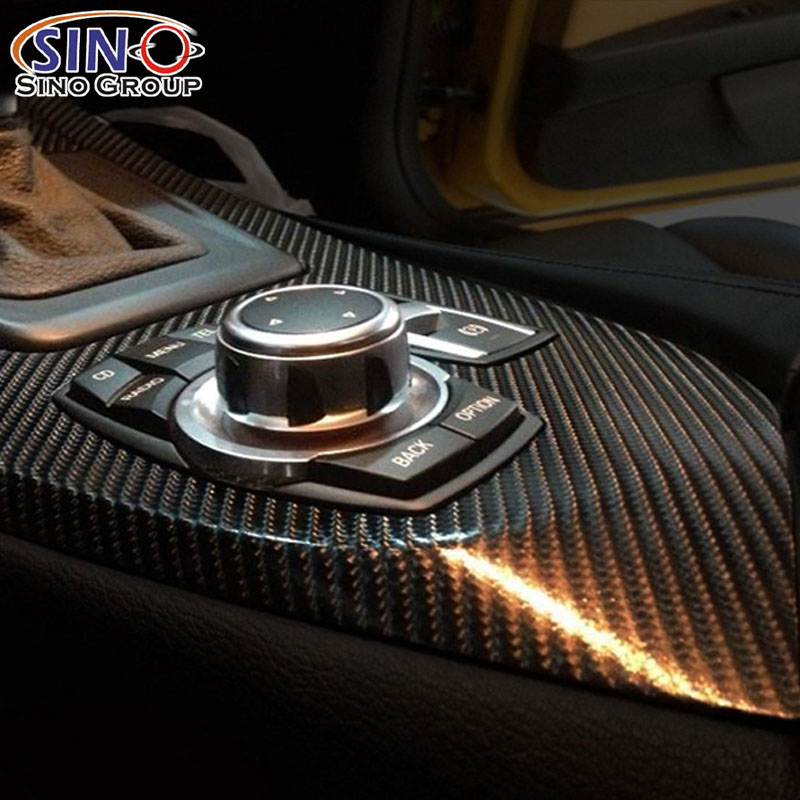
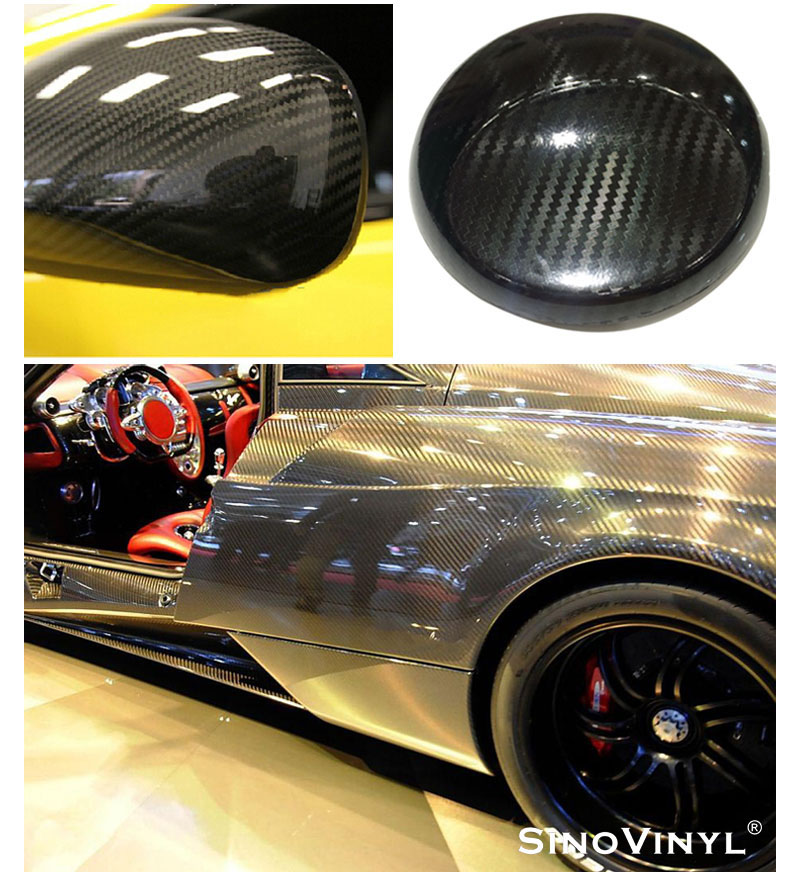
Strategy is key. You don’t full of one car. The most impactful and classy applications are on roof wraps, mirror caps, hood scoops, spoilers, and interior trim. A carbon fiber roof on a colored car screams custom performance. Wrapping the center console, dash strips, or door switch panels modernizes an interior instantly. Avoid large, flat body panels like doors and fenders; without the complex curves, the vinyl will look plasticky and unconvincing.

3.How to Install Realistic Carbon Fiber Vinyls: A Step-by-Step Guide
Installation is 90% of the final result. First, prep is non-negotiable. I clay bar to remove every trace of wax, silicone, and grease. Any contaminant will show under the vinyl. Second, pattern carefully. The weave has a direction. You must ensure the pattern runs the same way on all adjacent pieces—a mismatched weave direction is a catastrophic flaw. Third, heat and stretch with purpose. I use a pro-grade heat gun on low. The goal is to make the vinyl pliable, not melt it. I stretch gently over curves, working out from the center, constantly checking that the weave texture isn’t distorting. For complex parts, I use relief cuts on the backing paper, not the vinyl itself. Finally, post-heat. Once laid, I go over the entire piece with firm, consistent heat. This reactivates the adhesive and ensures a permanent, bubble-free bond that will resist lifting.

Choosing the suitable realistic carbon fiber vinyl is about selecting a good material. The key is in the textured details, the strategic application, and a professional installation. When done right, it’s a transformation that turns heads and sparks conversations for a fraction of the cost. So pick a premium vinyl from a trusted brand, and partner with an installer.If you have anything help,please feel free contact us!