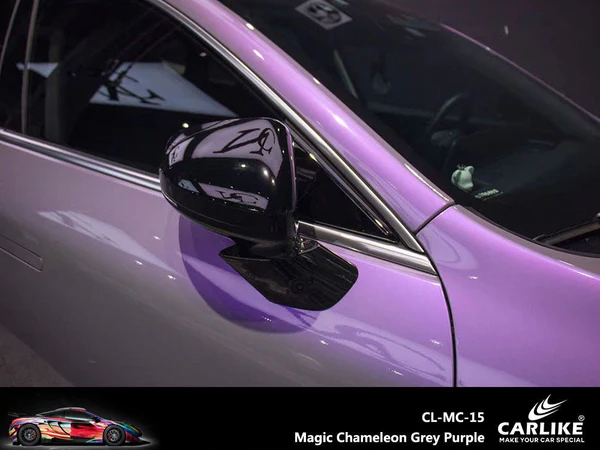
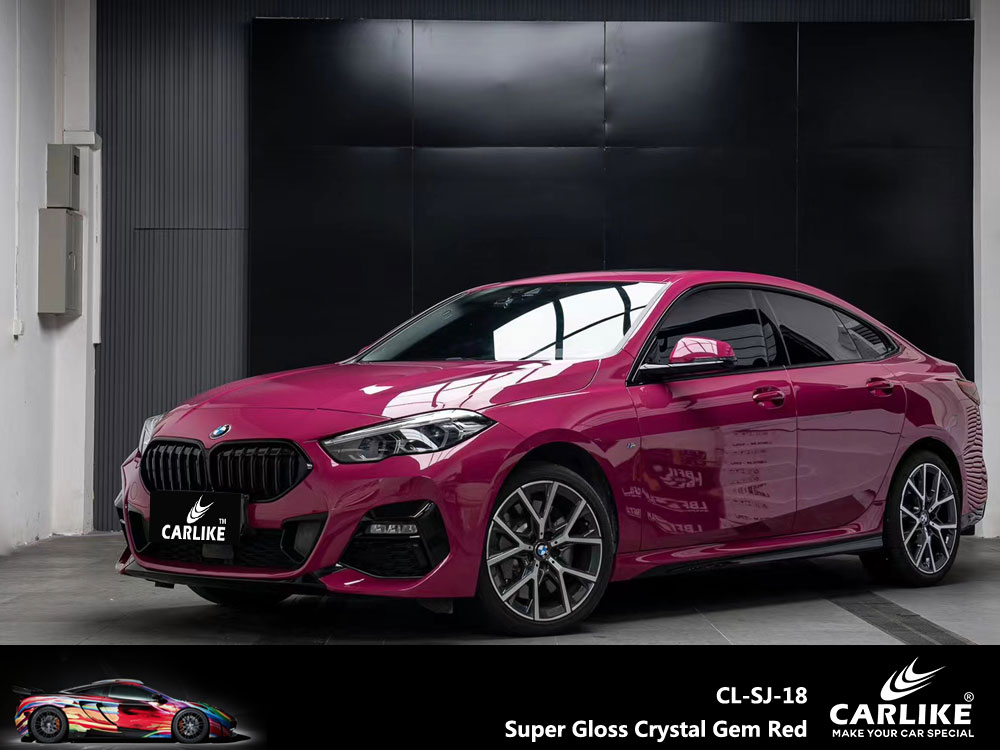
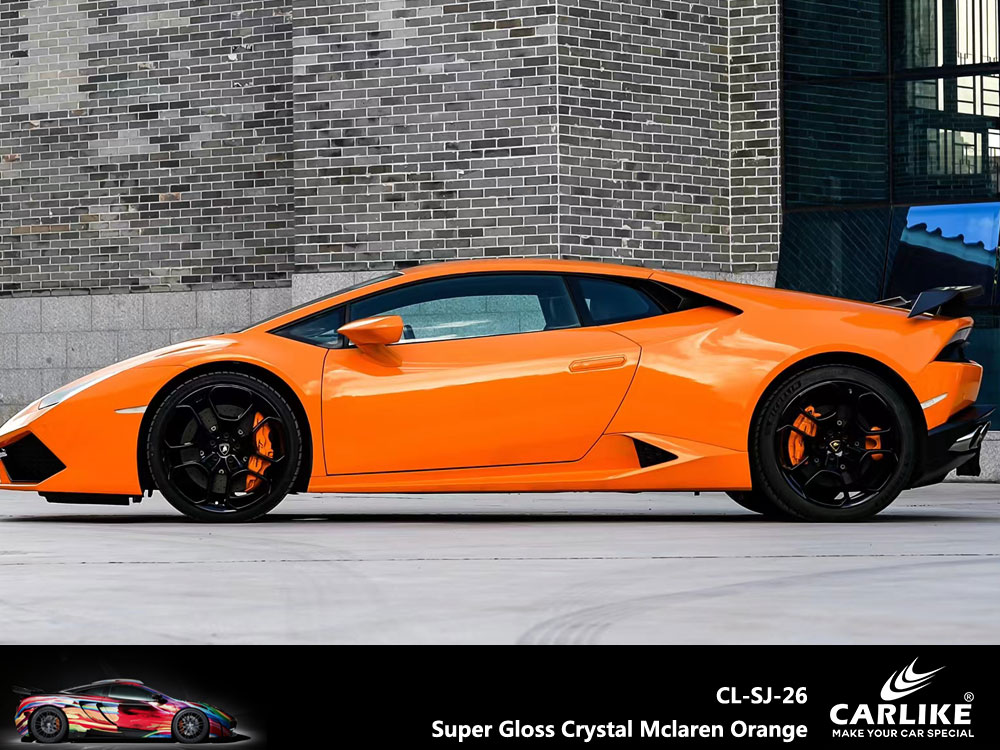
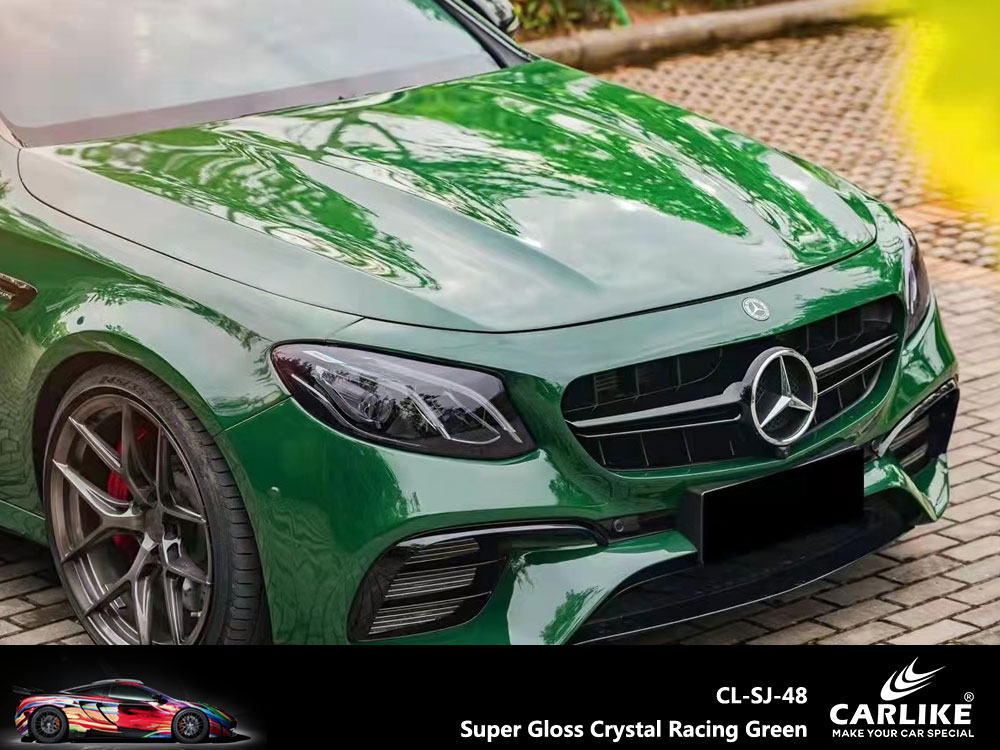
If you’ve ever looked into getting a color change wrap for your car, you might have noticed a common theme: most reputable brands offer a warranty of around two years. This often leads to a very logical question: “Why does a product that costs thousands of dollars only come with a relatively short guarantee?”
The answer isn’t that companies are being stingy. Instead, it’s a practical decision based on product material science, the harsh reality of the operating environment, and straightforward business considerations.
Let’s break down the key reasons.

The Core Reason: Material Composition and Limitations
The most significant factor lies in the fundamental difference between a color change wrap and a Paint Protection Film (PPF or “clear bra”). While they are both “vinyl films,” their design goals and chemical makeup are worlds apart.
A Simple Analogy: A color change wrap is like a fashionable printed T-shirt—it looks great but fades and wears out faster. A paint protection film is like a high-performance rain jacket—made from tougher materials designed for long-term endurance.

The Harsh Operating Environment
A car’s wrap is its first line of defense against the elements, facing a constant barrage of:
-
UV Radiation: The number one cause of degradation. No material is completely immune, and the damage is cumulative and irreversible.
-
Extreme Weather: From scorching heat to freezing cold, the film continuously expands and contracts, stressing its adhesive and material.
-
Environmental Hazards: Acid rain, bird droppings, tree sap, road tar, and industrial fallout constantly attack the surface.
A two-year warranty is a realistic timeframe for a product to perform reliably under these “typical” harsh conditions without significant failure.

Market Positioning and Business Realities
-
The “Fast Fashion” of Cars: Color wraps are often a form of automotive self-expression. Many owners wrap their cars to follow a trend or personalize their vehicle, fully expecting to change the color in a few years. The two-year lifecycle aligns perfectly with this consumer behavior.
-
Cost and Price Point: Engineering a color wrap to last 5+ years would require expensive TPU bases and super-weatherable coatings, dramatically increasing the cost. The current PVC-based wraps are priced for accessibility and a 2-3 year lifespan.
-
Risk Management for Manufacturers: Offering a longer warranty means setting aside more capital for potential future claims. For a product with a known and predictable lifespan, a two-year warranty is a financially responsible and low-risk period for the brand.
The Exception: TPU-Based Color Wraps
It’s worth noting that TPU color wraps are now entering the market. These combine color with enhanced protection. Because of their superior base material, they often come with longer warranties, typically 3 to 5 years. However, you can expect to pay two to three times the price of a standard PVC wrap.

Conclusion
The standard two-year warranty on a color change wrap is not a limitation but a reflection of reality. It’s a balance struck between material science, real-world use, and market expectations.
Think of it as a “performance promise”—the manufacturer guarantees that for two years, the product will not fail due to material or manufacturing defects under normal conditions. After that period, gradual aesthetic decline is expected, signaling it might be time for a refreshing new look.
Tips for Car Owners:
-
Choose a Reputable Brand: A known brand will honor its 2-year warranty and have a reliable claims process.
-
Pick an Expert Installer: Proper installation is crucial to prevent edges from lifting and to maximize the film’s lifespan.
-
Maintain It: Wash your wrap regularly with pH-neutral car shampoo and use specific vinyl wrap sealants to protect the top coat and significantly delay fading and degradation.

FAQs: Understanding Your Color Change Wrap Warranty
1. If the warranty is only 2 years, how long will the wrap actually last?
The 2-year warranty is a guarantee against manufacturing defects and premature failure, not the absolute end of the wrap’s life. The actual lifespan depends heavily on three factors:
-
Parking Conditions: A car that is primarily garage-kept will have a much longer lifespan than one that sits in direct sunlight 24/7.
-
Climate: Strong UV exposure (like in Arizona or Florida), extreme heat, and harsh winters will accelerate aging.
-
Maintenance: Regular, proper cleaning and the use of protective sealants can easily extend the vibrant look of your wrap to 3-5 years or more. The warranty period is a conservative baseline for “hassle-free” performance.
2. Can I get a longer warranty? I’m willing to pay more.
Yes, absolutely! The market is evolving to meet this demand. The key is to look for wraps made from a TPU (Thermoplastic Polyurethane) base instead of the standard PVC.
-
TPU Color Wraps: These higher-end films combine color with the durable properties of premium paint protection film. They are more flexible, resistant to rock chips, and much more resistant to UV degradation and yellowing.
-
Longer Coverage: As a result, reputable brands offering TPU color wraps often provide warranties ranging from 3 to 5 years, and sometimes longer. Be prepared for the price to be significantly higher, but you are paying for advanced material science and a longer-lasting product.
3. What exactly does the warranty cover, and what voids it?
It’s crucial to read the specific terms of your warranty, but most cover the following under “normal use”:
-
What’s Typically COVERED: Premature fading (beyond a certain Delta E color shift value), cracking, peeling, or bubbling that is a direct result of a material or manufacturing defect.
-
What Typically VOIDS it:
-
Improper Installation: If the wrap is not installed by a certified installer, the warranty is almost always void.
-
Poor Maintenance: Damage from abrasive cleaning tools, harsh chemicals (like gasoline, brake fluid, or strong solvents), or automatic car washes with stiff brushes can void your coverage.
-
Accidents or Modifications: Damage from accidents, vandalism, or attempting to modify or repair the film yourself will not be covered.
-
Commercial Use: Using the vehicle for commercial purposes (e.g., ride-sharing, delivery) often reduces or voids the warranty.