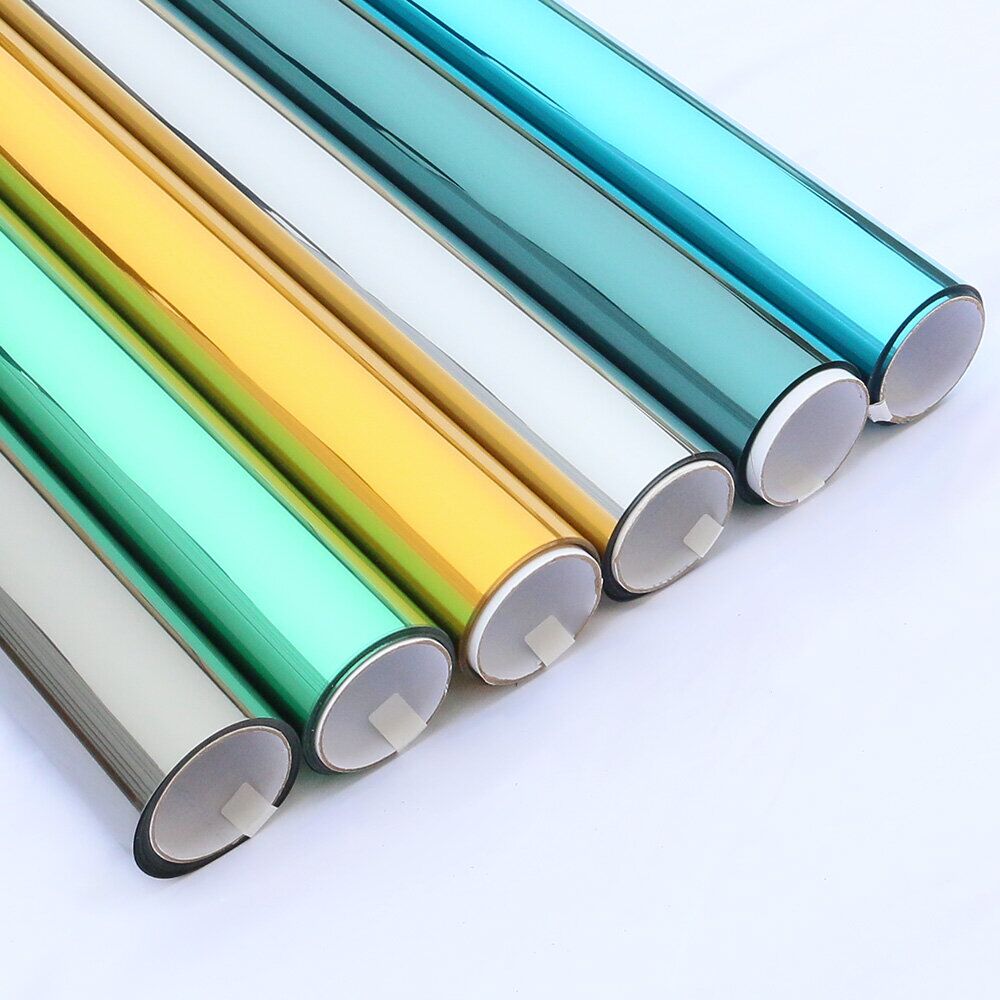
So, you’ve found a great price on car tint from China. The specs look amazing, and the potential profit is huge. I get it. I’ve been there. But let me tell you, the path to a successful import is littered with costly mistakes that can turn that dream deal into a nightmare.After years in the tinting game, I’ve seen almost every error in the book. In this post, I’ll walk you through the big ones—from ignoring local heat standards and skipping sample kits to misunderstanding warranties and adhesive types. My goal is to make sure your import business is built on quality, not just a cheap price tag.

Mistake #1: Ignoring Local Heat & Glare Rejection Standards.
Here’s the thing a lot of new importers miss: a car window film isn’t a one-size-fits-all product. A film that works perfectly in the mild, cloudy climate of Southern China could be a complete failure under the brutal, direct sun of Arizona or Australia. When I first started, I almost made this error. I was looking at the specs from a supplier, and the heat rejection numbers looked decent. But “decent” for a generalized market isn’t good enough. You need to ask yourself: What are my customers reallybattling? Is it intense infrared heat that makes the steering wheel burn? Is it blinding glare during the evening commute? You have to import a film that is specifically engineered to solve the problems your local customers face every day. Don’t just buy a generic film; buy a solution for your specific market.
Mistake #2: Not Testing for Color Stability and Haze.
This is a surefire way to destroy your reputation before you even get started. I learned this the hard way with a small batch of film that looked perfect straight out of the box. I tinted a few cars, and everyone was happy. But six months later, my phone started ringing. The film had developed a faint purplish hue and, even worse, a slight haziness that made the windows look almost cloudy from certain angles. It was a disaster. The problem was in the dyed layer of the film—it was cheap and not properly stabilized against UV radiation. Now, I never, ever place an order without taking a sample, cutting off a piece, and taping it to a south-facing window for at least 30 days. I watch it like a hawk. If the color shifts even a little, I walk away. Your name is on that tint job, and a fading film is a permanent stain on your business.
Mistake #3: Choosing the Wrong Adhesive for Your Climate.
Adhesive is the heart of the tint job. If the adhesive fails, the film fails. And not all adhesives are created equal, especially when it comes to climate. There are two main types: dry-adhesive and pressure-sensitive adhesive. Dry-adhesive films are generally better for hotter climates. They’re more stable and less likely to develop air bubbles or “ghosting” as the car heats up and cools down repeatedly. Pressure-sensitive adhesive can be a bit more forgiving to install in cooler weather, but I’ve seen it turn hazy or cause the film to sag in extreme heat. You need to have a frank conversation with your supplier. Tell them the average temperatures and humidity levels where you operate. A good supplier will recommend the right adhesive chemistry. A bad one will just tell you “it’s all the same.” It’s not.
Mistake #4: Overlooking the Warranty (and its Fine Print).
A “Lifetime Warranty” sounds fantastic, right? But you have to ask: Whose lifetime?I’ve seen warranties that are only valid in the country of purchase (meaning China), making them useless for your customers. I’ve seen warranties that are non-transferable, which kills the resale value for the car owner. The biggest red flag is a warranty that requires the customer to ship the faulty film back to the factory in China at their own expense. Can you imagine asking a customer to do that? You’ll be paying for that replacement out of your own pocket just to keep them happy. Before you sign anything, get the warranty document translated and read every single word. A strong, clear, and transferable warranty from your supplier is your best insurance policy.
Mistake #5: Skipping the Sample Kit Before a Big Order.
This is the single most important step, and I cannot stress it enough. Ordering tint film based on a PDF spec sheet and a few photos is like marrying someone after a single Zoom call. You have no idea what you’re really getting. A sample kit is your best friend. It lets you feel the film’s scratch coat. It lets you test how it shrinks with a heat gun. You can check the color and clarity up close. I always ask for a sample kit that includes all the shades I’m considering—especially the most popular ones like 35% and 20%. I’ll even install a piece on my own car for a few weeks to see how it holds up. The small cost and wait for a sample kit are nothing compared to the financial ruin of a 40-foot container full of subpar film. 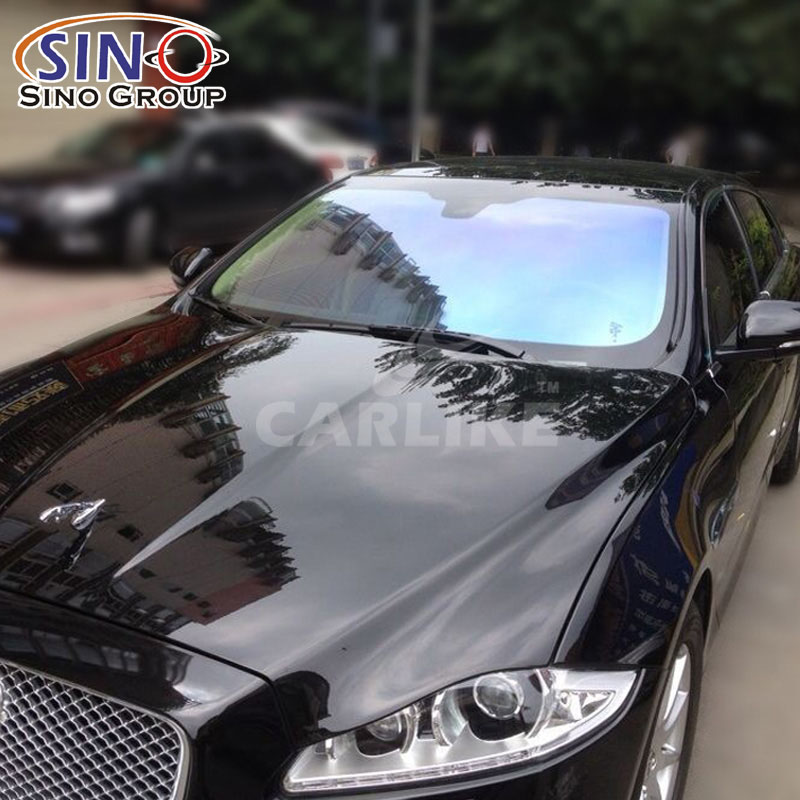
Mistake #6: Misunderstanding the Technical Data Sheet.
That technical data sheet (TDS) is packed with information, but suppliers can be sneaky about how they present it. The most common trick is promoting Total Solar Energy Rejection (TSER) with a very high number. But that number can be artificially inflated by a high Visible Light Reflection (VLR)—meaning the film is practically a mirror. Most customers hate mirror-like film. You need to look at the breakdown: Infrared Rejection (IRR) is a much better indicator of how well the film will block heat from the sun’s rays. Also, check the Visible Light Transmittance (VLT) to ensure it matches the legal limit in your area. Don’t just glance at the big, bold numbers. Learn what they mean, because your customers will rely on you to understand them.
Mistake #7: Prioritizing Cheap Price Over Consistent Quality.
I get it. The lure of a super low price is strong. But let me be blunt: with car tint, you often get what you pay for. The cheapest film usually means the manufacturer cut corners. Maybe they used lower-quality polyester, cheaper dyes, or an unstable adhesive. The biggest cost with a cheap film isn’t the initial purchase; it’s the cost of comebacks, redos, angry customers, and a ruined reputation. I look for a supplier who offers a fair price for demonstrably good quality. Consistency is king. Your customers need to know that the film you put on their car today will be exactly the same as the film you put on their car six months from now. A supplier who constantly undercuts everyone else is usually doing so for a reason.
Mistake #8: Forgetting About the Film’s Shrinkability.
This is a point that only a seasoned tinter would think of, and it’s why my perspective is different from a pure importer. Every film has a different “personality” when you apply heat to it. Some films shrink smoothly and predictably, making it easy to contour the film to a curved rear window. Others can be stubborn; they might over-shrink, crease easily, or even change color if you apply too much heat. A film that’s difficult to shrink dramatically increases your installation time and the chance of a mistake. When I get a sample, the first thing I do after checking the color is see how it reacts to my heat gun. If it’s a nightmare to work with, my installers will hate it, my efficiency will drop, and my profit margins will disappear.
Mistake #9: Not Vetting the Supplier’s Tinting Experience.
You don’t want to buy film from a factory that just makes a generic product. You want to buy from a supplier who understands the art and science of window tinting. When I talk to a potential supplier, I ask them specific questions: “How does this film handle on a deep-curved BMW window?” or “What is the recommended slip solution for your adhesive?” Their answers tell me everything. If they can’t answer technical questions about installation, it means they are far removed from the end-user. The best suppliers have a team that actually tests their film, understands the challenges tinters face, and can provide real-world advice. That kind of partnership is invaluable.
Mistake #10: Underestimating Shipping and Customs Logistics.
You’ve negotiated the perfect price per square meter. You pat yourself on the back. But then you get the bill for shipping, insurance, and customs duties, and suddenly your great deal isn’t so great. Ocean freight costs can swing wildly. Customs clearance can delay your shipment for weeks. You need to factor in all these “landed costs” before you can calculate your true profit. Do you need a freight forwarder? What are the import duties for window film in your country? What documentation is required? I always work with a reliable freight forwarder who handles the details. Getting a container stuck in port because of missing paperwork is a expensive headache you don’t need. Plan the entire journey of the film, from the factory floor to your warehouse door. 
Conclusion
Of course. Here is an effective conclusion paragraph for your blog post. * Look, importing tint can feel like a minefield, but it doesn’t have to be. The goal isn’t just to avoid these mistakes; it’s to build a business your customers trust. By taking the time to ask the right questions, demand real samples, and partner with a supplier who knows tinting as well as you do, you’re not just buying a roll of film—you’re investing in your reputation. Do your homework on the front end, and you’ll save yourself from a world of headaches (and costly comebacks) on the back end. Now you’re equipped to import like a pro.
Feeling overwhelmed? I’ve been there. Let me help you cut through the noise. Download my free checklist of the top 10 questions to ask your next Chinese tint supplier. It’s the exact list I use to separate the best from the rest.
FAQ: Your Car Tint Import Questions, Answered.
Q: How do I even find a reliable car tint supplier in China?
A: I always start on major B2B platforms like Alibaba or Made-in-China.com, but I use them as a directory, not a store. I look for suppliers with a long history (5+ years), Gold Supplier status, and, most importantly, those who willingly provide verifiable factory audits and contact information. The real work begins when I start sending my specific questions from the blog post. The ones who answer knowledgeably and promptly move to the next round.
Q: What’s the real difference between a 0.50/sqmeterfilmanda2.00/sq meter film?
A: You’re paying for what’s inside the film. The cheap film uses inferior polyester that can tear easily, basic dyes that will turn purple, and a weak adhesive that will fail or bubble. The more expensive film uses higher-grade, stable polyester, ceramic or carbon particles for lasting performance, and a professional-grade adhesive designed for long-term durability. The price difference is the difference between a product that fails in a year and one that lasts the life of the car.
Q: Is a “Ceramic” film from China the same as a well-known brand like Llumar or 3M?
A: The term “ceramic” can be misleading. True ceramic nano-particles that reject heat without affecting signals are expensive to produce. Some suppliers use the label “ceramic” loosely for any non-dyed, non-metallic film. The performance can vary wildly. This is why the sample kit and your own testing are non-negotiable. A real ceramic film will have exceptional heat rejection numbers (especially IRR) without any metallic signal interference. Don’t just trust the label; trust the test data and your own hands-on experience.
Q: What are the key documents I need to receive from the supplier?
A: Before shipping, you must get three things:
-
A Detailed Proforma Invoice: This states what you’re buying, the price, and the terms.
-
The Technical Data Sheet (TDS): This is your proof of the film’s specifications.
-
A Copy of the Warranty Policy: Get it in English and understand it completely.
Upon shipment, you’ll need the Bill of Lading, Commercial Invoice, and Packing List for customs. Never work with a supplier who hesitates to provide these.