Your vehicle serves as more than transportation because it represents your passion and makes a statement while bringing you pride. The protection of your car’s perfect paint finish stands as an absolute necessity regardless of your vehicle type which includes sports cars and classics and everyday drivers. Paint protection film (PPF) serves as the solution for protecting your vehicle.
PPF shields against rock chips, bug splatters, UV damage, and more — keeping your car’s finish looking like new. It also offers self-healing properties, easier cleaning, and helps maintain resale value. Wondering how PPF compares to ceramic coating or which type is right for you? You’re in the right place.
In this post, I’ll cover the top reasons car enthusiasts love PPF, from hazard protection to customization, real results, and how to choose the best film for your ride. If you care about your car’s appearance, PPF isn’t just an upgrade — it’s a game-changer.

1. What Is Paint Protection Film — And Why Should You Care?
The following section explains what Paint Protection Film represents along with its essential value for car owners.
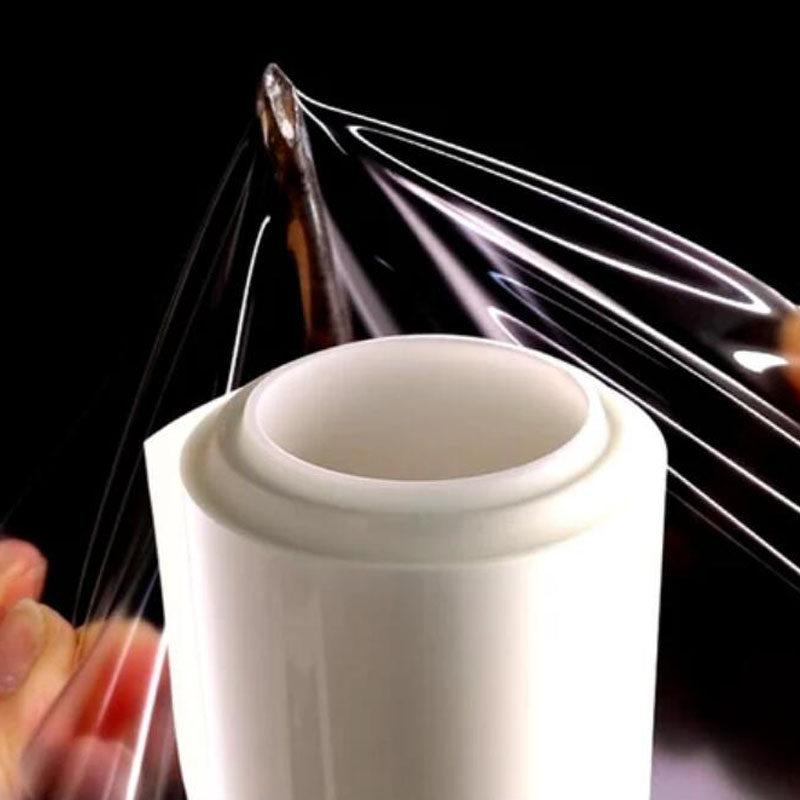
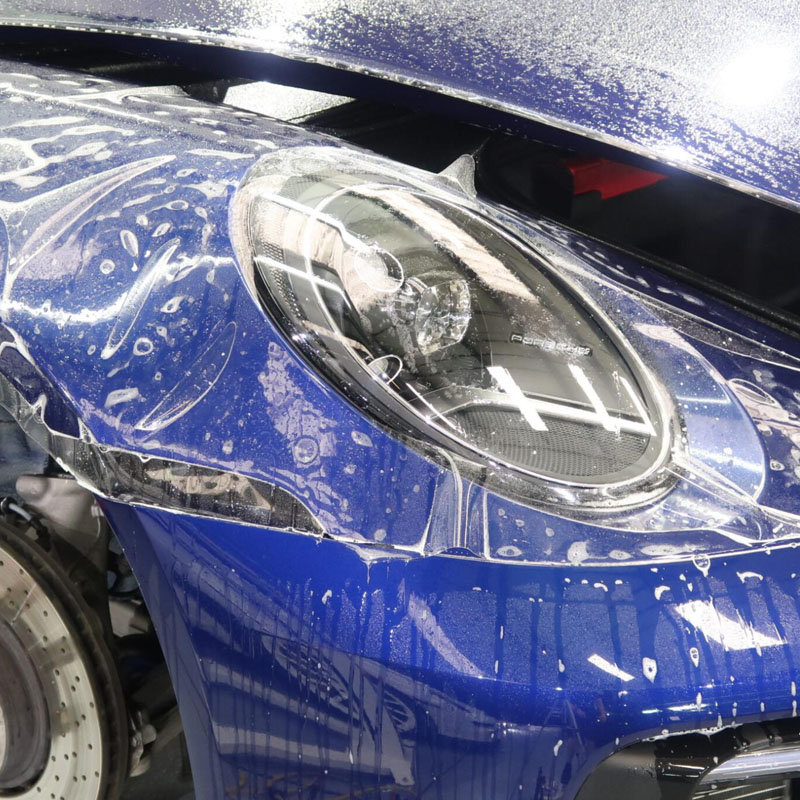
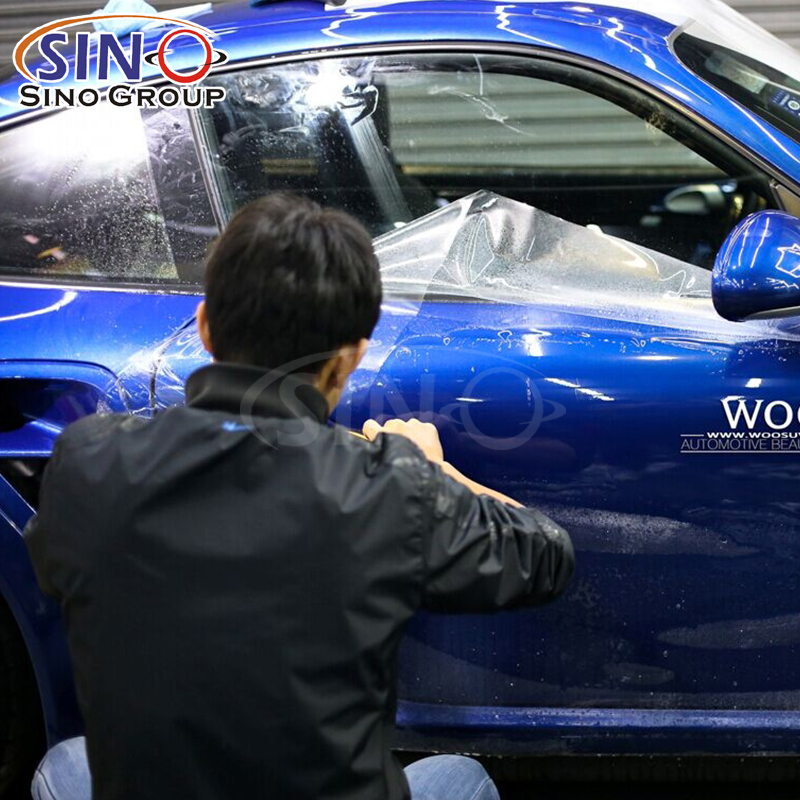
The fundamental information about Paint Protection Film (PPF) starts with its definition. The thin durable transparent urethane film known as Paint Protection Film (PPF) or clear bra receives direct application onto car body paint surfaces. The original military helicopter application of PPF technology now serves cars as a protective solution which provides exceptional benefits to enthusiasts who want top-quality protection for their vehicles.
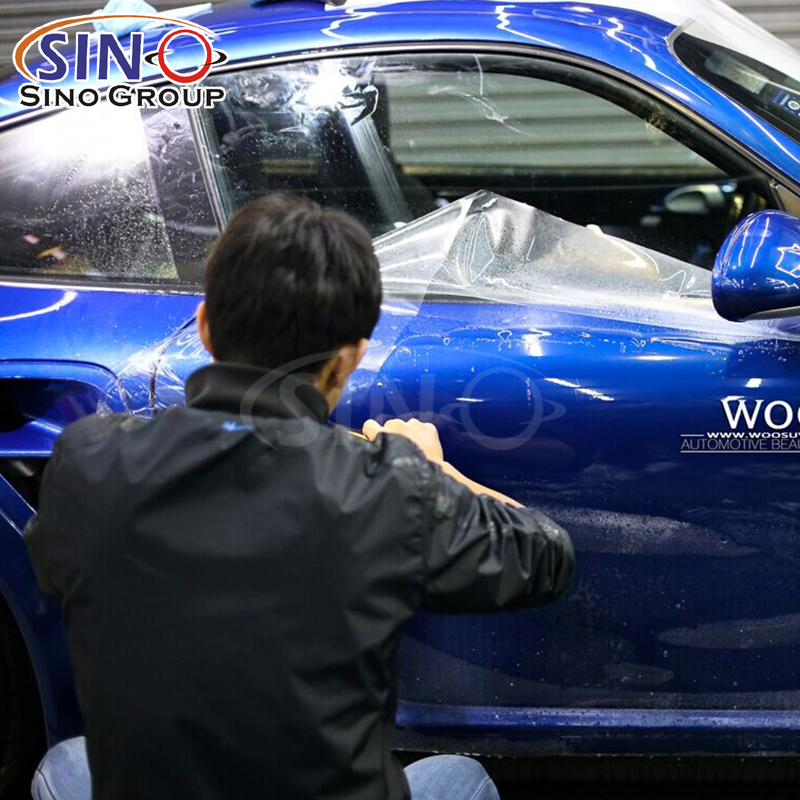
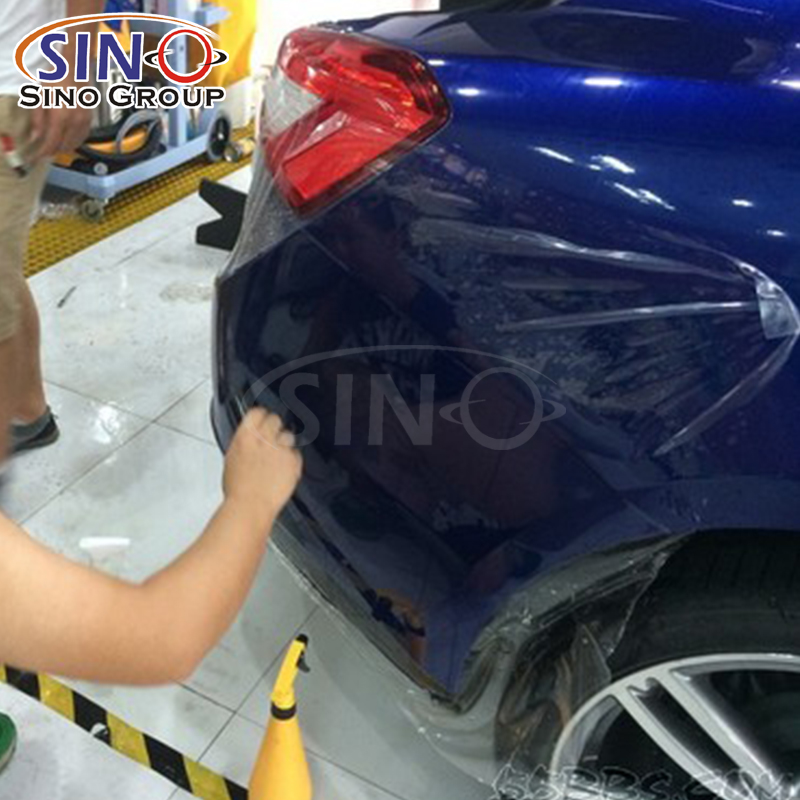
The protective film functions as an imperceptible defensive layer which safeguards your vehicle’s exterior paint finish. The protective film becomes completely invisible after correct installation while continuously safeguarding your car’s exterior from road-related damage. The protective film functions as a protective shield which safeguards your paint finish during urban driving and off-road adventures while maintaining your vehicle’s original appearance.
Car enthusiasts can drive with confidence because the protective film guards their paint against unexpected damage that occurs on the road. The protection of your vehicle investment through smart management represents the essence of this approach rather than excessive caution.
2. Shield Your Paint from Everyday Hazards
No matter how careful you are, your car faces constant threats on the road. Paint protection film is your first line of defense against some of the most common — and most damaging — hazards out there:
- •Rock chips: Whether you’re following a truck on the highway or driving over gravel roads, flying debris can chip your paint and lead to rust over time.
- •Bug splatters: Those stubborn insect remains don’t just look gross — they can etch into your paint if not removed quickly.
- •Road tar and grease: Common on highways and construction zones, these sticky substances can bond to your paint and are tough to clean off without damage.
- •Minor abrasions: Brushing up against walls, curbs, or shopping carts can create micro-scratches that dull your finish.
The protective film of PPF functions as a shock absorber to protect your paint from damage. The protective film provides three main benefits: scratch resistance and impact resistance and durability which protects your car’s exterior from all types of accidents.

3. Self-Healing Magic: Minor Scratches Disappear
One of the coolest — and most talked-about — features of modern paint protection film is its self-healing ability. Yep, you read that right. Many high-end PPFs are formulated with elastic polymers that allow small scratches, swirl marks, and scuffs to literally disappear with heat.
The technology operates through what mechanism? The film molecules organize themselves into their original structure when exposed to warm sunlight or hot water thus fixing minor surface damage. The self-healing technology makes minor surface scratches from washing and keys and tight parking spots disappear instantly.
The self-healing technology protects your car from damage while simultaneously preserving its showroom appearance and mirror-like finish which car enthusiasts value most. The technology functions as an invisible shield which defends your vehicle while simultaneously restoring its original state.
4. Preserve Your Car’s Resale Value
Your finish so it remains in perfect condition throughout multiple years. A vehicle with perfect paint condition that has no suffers damage or fades or when owners fail to maintain it properly.
Protective film preserves your factory paint car represents an investment that requires protection of its value. A vehicle loses its value quickly when its paint chips or fading will attract more buyers during the time of sale or trade-in. Buyers notice. The condition of your paint will catch the attention of both dealers and potential buyers. Your vehicle will retain higher value during resale or trade-in because of its flawless condition.
PPF functions as a shield that defends your vehicle against normal wear and tear which makes your car appear brand new despite heavy use.

5. UV and Oxidation Protection for Long-Lasting Color
Sunlight exposure causes damage to your skin and your car paint surface. The paint surface of your vehicle will fade and oxidize and lose color because of extended exposure to ultraviolet (UV) light. The paint colors red, blue and black show the most significant deterioration because of their deep color intensity.
Paint protection film is UV-resistant, acting as a barrier that blocks harmful rays from penetrating the paint surface. This helps prevent:
- •Color fading
- •Paint oxidation
- •Clear coat degradation
PPF protects your car from UV rays which helps maintain its original color depth and richness as it was when you first purchased it. The protection of PPF brings great satisfaction to car owners who value their vehicle’s appearance.
6. Easier Cleaning and Better Gloss Retention
Let’s face it — washing your car is a chore. But it’s one that’s a lot less frustrating (and more effective) when you’ve got paint protection film in place.
PPF is smoother and more hydrophobic than bare paint, which means:
- •Water beads up and rolls off more easily
- •Dirt, dust, and grime have a harder time sticking
- •Washing requires less effort and fewer products
The result? A cleaner, shinier car with less elbow grease. Plus, because PPF protects against stains from bird droppings, tree sap, and fuel spills, you avoid the risk of permanent discoloration or etching.
Your car will stay showroom new throughout its entire life because the paint remains clean and glossy between washes even after 3000 miles of driving.

7. Custom Coverage Options for Every Style
Not all PPF jobs are created equal — and thank goodness for that. One of the best things about modern paint protection film is how customizable it is. PPF solutions exist to meet every need from complete body protection to high-impact zone defense at various price points.
The following options are among the most well-known:
- •Front-end coverage (most popular): Protects the bumper, hood, fenders, and mirrors — the areas most prone to rock chips and bug damage.
- •Partial coverage: Focuses on high-contact areas like door edges, side mirrors, and the A-pillars.
- •Full-body PPF: Yes, you can wrap your entire car in PPF for complete protection. It’s more expensive, but for show cars or daily drivers you cherish, it’s worth every penny.
As a car lover, you get to decide how much protection you want and where — making PPF a flexible upgrade that adapts to your lifestyle.
8. PPF vs. Ceramic Coating: What’s the Difference?
If you’ve spent any time in car enthusiast circles, you’ve probably heard people talk about both paint protection film and ceramic coatings. So… which one is better? Short answer: they’re actually complementary.
Here’s how they compare:
| Feature | Paint Protection Film (PPF) | Ceramic Coating |
| Primary function | Physical barrier against impacts & scratches | Liquid polymer that bonds with paint for gloss & protection |
| Protection level | High (physical defense) | Medium (chemical defense) |
| Durability | 5–10 years | 1–3 years |
| Self-healing | Yes (on high-end films) | No |
| Gloss enhancement | Moderate | High |
| Ease of cleaning | Good | Excellent |
Many enthusiasts choose to use both: PPF on high-impact areas and ceramic coating over the rest of the paint for a durable, glossy, easy-to-clean finish. Understanding the difference helps you make smarter choices for your car’s care routine.

9. Real Stories: Why Enthusiasts Won’t Drive Without It
Still on the fence? Let me share a quick insight that might change your mind: serious car enthusiasts don’t use PPF because it’s trendy — they use it because it works.
From track-day drivers to classic car collectors, I’ve heard countless stories about how a single rock chip could’ve ruined a beloved paint job — if not for PPF. Or how a well-installed film saved a car during a road trip through a construction zone. Some enthusiasts even say they can’t look at their car the same way after seeing how PPF preserves the finish over time.
Car protection goes beyond damage prevention because it provides you with complete peace of mind. Your car protection allows you to drive with peace of mind because it provides you with the assurance that your vehicle remains safe and looks perfect throughout its entire lifespan.
10. How to Choose the Best Paint Protection Film for Your Ride
Different types of PPF exist in the market and selecting the appropriate one will determine the success of your application. The following factors should be considered when selecting the most suitable paint protection film for your vehicle.
- •Brand reputation: Stick with trusted, high-quality brands known for durability and optical clarity.
- •Film thickness: Thicker films offer more impact resistance but may be less flexible.
- •Self-healing properties: Look for films with advanced polymer tech for scratch recovery.
- •Clarity and finish: The best PPF is nearly invisible and enhances — not dulls — your paint.
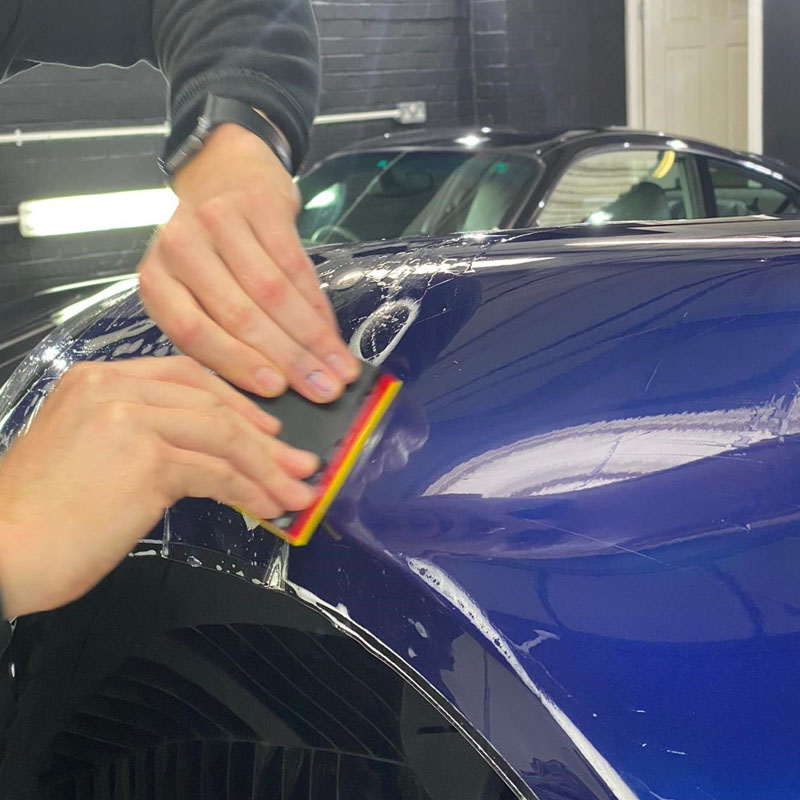
- •Installer experience: Even the best PPF won’t perform well if it’s poorly installed. Always choose a skilled, reputable detailer or specialist.
Take your time researching, ask for samples or demos, and don’t be afraid to invest in quality. After all, your car deserves the best — and so do you.

✅ Final Thoughts:
The protection film serves as a vital defensive shield which car enthusiasts need to safeguard their most treasured vehicle assets. The protective film provides actual and noticeable benefits which enhance driving experiences through its ability to defend against everyday dangers and preserve a perfect finish for extended periods.
Conclusion:
The protection of your car paint becomes an essential duty when you truly love your vehicle. Paint protection film represents an intelligent solution which effectively guards your vehicle against all types of damage that cause paint deterioration. The protective film provides multiple advantages to car enthusiasts through its ability to prevent rock chips and UV damage and its self-healing properties and extended vehicle value preservation. The additional protection layer provides you with peace of mind during driving and parking in tight spaces so you can concentrate on what brings you joy. The protective film known as PPF offers benefits that will transform your vehicle and boost your confidence if you decide to install it.

🔧 Paint Protection Film (PPF) FAQs
1. What is paint protection film (PPF)?
Answer: PPF consists of a clear durable urethane material which gets installed on vehicle paint to shield against scratches and rock chips and bug splatters and road debris and other typical damage sources. The film becomes completely undetectable after application while safeguarding the original paint finish and maintaining its market value.
2. Does paint protection film really work?
Answer: Yes, PPF is highly effective at protecting your car’s paint from physical damage. High-quality films are impact-resistant, scratch-resistant, and often self-healing, making them a reliable barrier against everyday road hazards like rocks, bugs, and minor abrasions.
3. Is PPF worth the cost?
Answer: For car enthusiasts who value their vehicle’s appearance and want to protect their paint long-term, PPF is absolutely worth the investment. It helps prevent costly repairs, maintains resale value, and reduces the need for frequent detailing. Think of it as affordable insurance for your car’s finish.