Car wrapping has become an increasingly popular way to customize vehicles, but understanding the total cost involved is crucial for making an informed decision. This article will break down the initial installation costs, explore factors affecting pricing, highlight hidden expenses, compare wrap costs with traditional paint jobs, and offer practical budget planning tips.
Initial Installation Costs
The upfront cost of car wrapping depends largely on the vehicle’s size, wrap material, and design. Here’s a basic breakdown:
- Standard sedan: $2,000–$3,500
- SUVs/trucks: $3,500–$5,000
- Luxury/exotic cars: $5,000–$10,000+
These prices typically include material, labor, and basic customization. However, intricate designs or premium films may raise costs.
Factors Affecting the Price
- Vehicle Size:
Larger vehicles require more material and labor. An SUV will cost significantly more to wrap than a compact car. - Material Type:
- Standard vinyl: More affordable and offers basic colors.
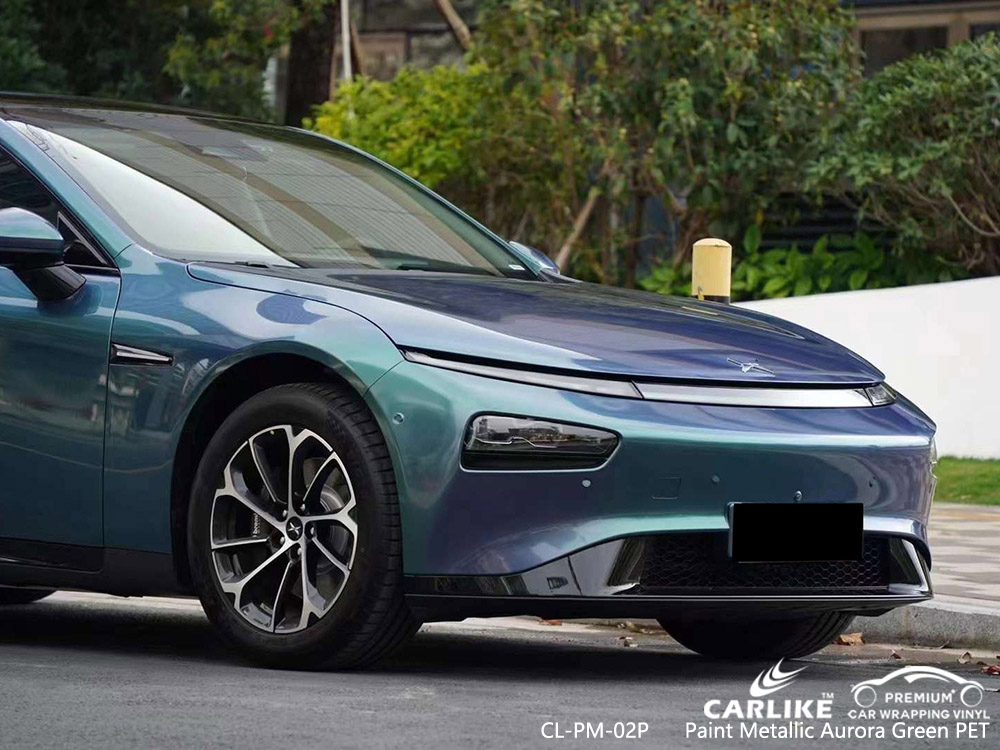
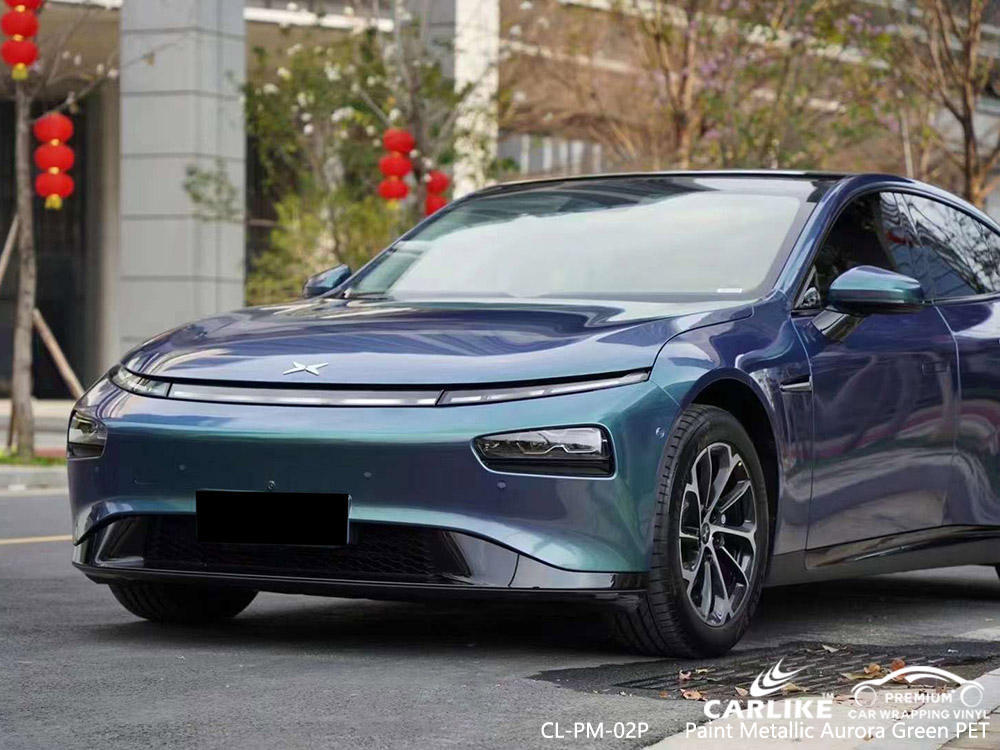
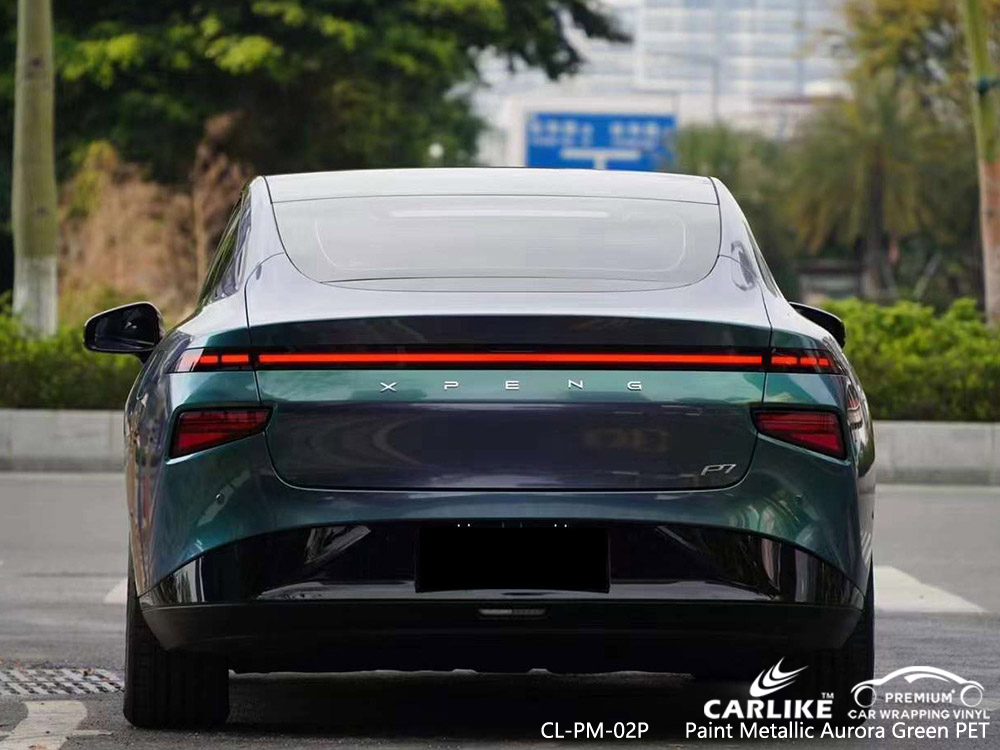
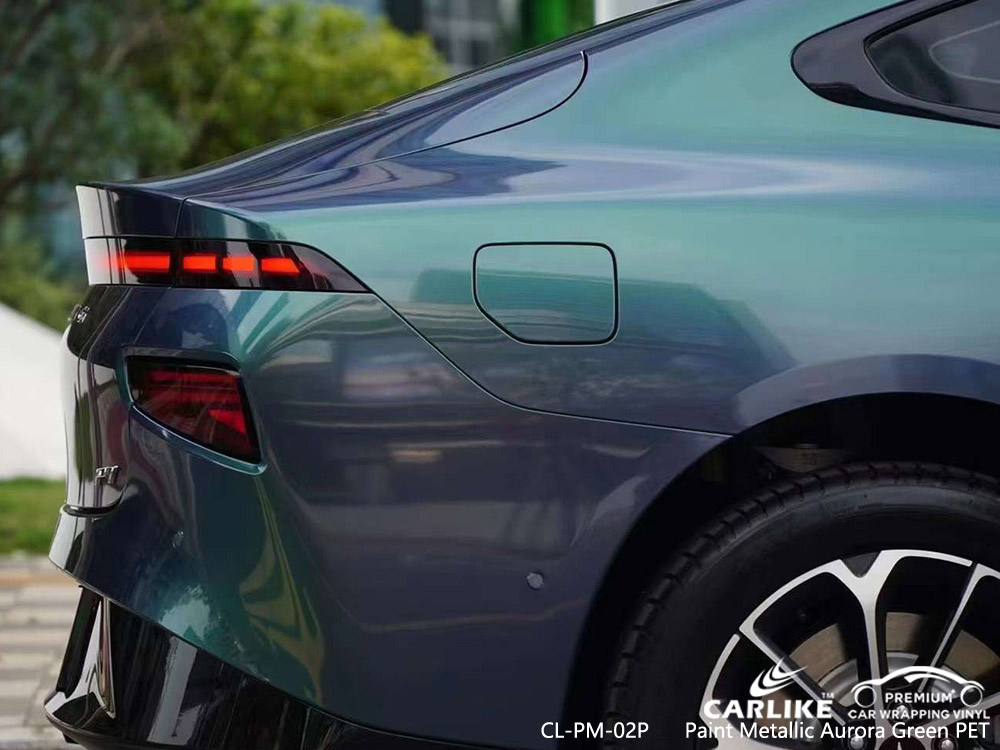
- Specialty films (matte, chrome, chameleon): These premium materials cost 20%–50% more.
- Protective coatings (PPF): Often combined with wraps for durability, adding to the cost.
- Design Complexity:
Custom graphics, multi-color patterns, or textured finishes increase installation difficulty and time, raising costs.
Hidden Costs to Consider
While initial pricing covers material and installation, hidden costs can surprise car owners:
- Surface Preparation: Any dents, rust, or scratches must be fixed before wrapping, adding to the expense.
- Wrap Removal: Professionally removing a wrap can cost $500–$1,000. Poor-quality wraps may damage the paint underneath.
- Maintenance: Specialty wraps may require specific care products or treatments to maintain appearance and durability.
Comparing Wrap Costs vs. Paint Costs
Car Wraps:
- Pros: Lower initial cost, more design flexibility, easy removal for resale.
- Cons: Typically lasts 5–7 years, maintenance required.
Paint Jobs:
- Pros: Long-lasting (10+ years with proper care), enhances vehicle value.
- Cons: More expensive ($3,000–$10,000+), limited design options, and difficult to revert.
Overall, wraps are a cost-effective choice for customization and temporary changes, while paint is a long-term investment.
Conclusion: Budget Planning Tips
- Set Realistic Expectations: Understand that premium materials or complex designs will significantly increase costs.
- Compare Quotes: Get estimates from multiple shops and check customer reviews.
- Plan for Maintenance: Factor in care costs and potential removal expenses in your budget.
- Evaluate Long-Term Goals: If you plan to sell your car soon, a wrap may protect its original paint and maintain resale value.