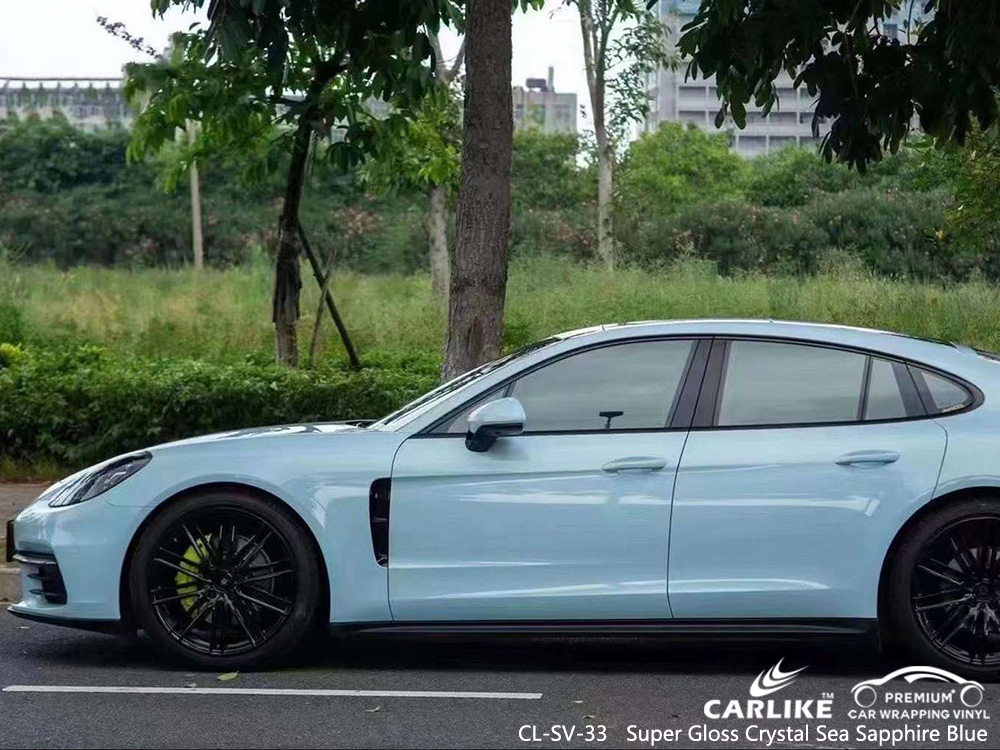
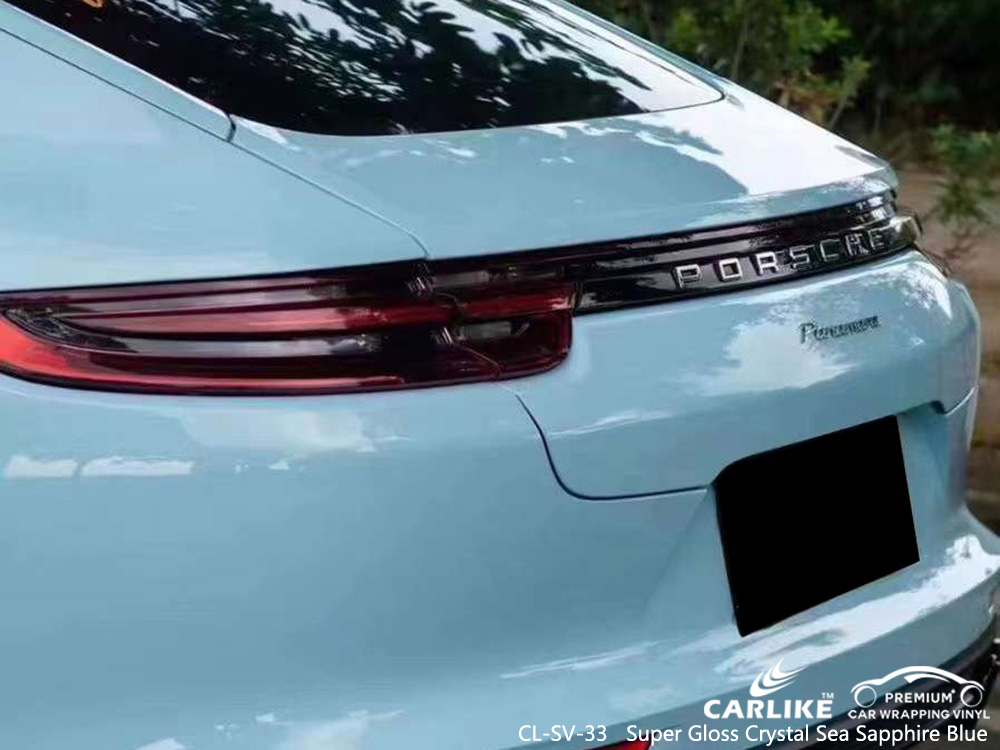
The Pros and Cons of Car Wraps Compared to Traditional Paint
Nov 01, 2024
Pros of Car Wraps Compared to Traditional Paint
Cost-Effective: Car wraps are generally less expensive than a high-quality paint job, especially for custom designs or specialty finishes like matte or chrome.
Customization Options: Wraps offer more design flexibility, including intricate patterns, textures, and vibrant colors that might be difficult or costly with paint.
Reversibility: Wraps can be removed without damaging the original paint, making them ideal for leased vehicles or those intending to resell the car with its factory finish intact.
Protection: Car wraps act as a protective layer, shielding the vehicle’s paint from UV rays, minor scratches, and road debris.
Faster Application: Installing a car wrap typically takes 3-5 days, while a professional paint job can require weeks due to preparation, painting, and drying times.
Resale Value: Since the original paint is preserved under the wrap, the vehicle’s resale value can be maintained or even enhanced.
Cons of Car Wraps Compared to Traditional Paint
Durability: High-quality paint, when properly maintained, can last decades, whereas most wraps last 5-7 years, depending on conditions and care.
Maintenance Requirements: Wraps require special cleaning techniques to avoid peeling or fading and may not withstand automatic car washes.
Limited Repair Options: If a section of the wrap is damaged, the affected area often needs replacement, which can be challenging to match perfectly with the rest of the wrap.
Temperature Sensitivity: Extreme heat or cold can affect the adhesive’s performance, potentially causing the wrap to lift or bubble.
Initial Investment: While cheaper than premium paint jobs, high-quality wraps can still be a significant initial cost, especially for full wraps with custom designs.
Potential for Damage: Improper installation or removal by inexperienced individuals can damage the vehicle’s original paint.