Paint Protection Film

Home >> News

DIY Installation vs Professional Installation of Car Paint Protective Film

Jul 05, 2024

Pros And Cons Of Diy Vs Professional Installation

DIY Installation

Pros:

  1. Cost Savings: Typically cheaper than professional installation since you only need to pay for the materials and not for labor.
  2. Flexibility: Allows you to work at your own pace and schedule, which can be convenient if you have the time and skill.
  3. Learning Experience: Gives you hands-on experience and understanding of the installation process, which can be satisfying and useful for future projects.

Cons:

  1. Quality: The finish may not be as smooth or durable as a professional job. Mistakes can lead to bubbles, wrinkles, or uneven application.
  2. Time-Consuming: Can be time-consuming and challenging, especially if you’re unfamiliar with the process or don’t have the right tools.
  3. Limited Warranty: DIY installations often come with limited or no warranty compared to professional installations, which can be a risk if issues arise later.

Professional Installation

Pros:

  1. Expertise: Professionals have experience and skill, which usually results in a smoother, more precise application with fewer mistakes.
  2. High-Quality Finish: Typically achieves a more polished and seamless look due to their access to advanced tools and techniques.
  3. Warranty: Often includes a warranty or guarantee, providing peace of mind if any issues occur with the installation.

Cons:

  1. Higher Cost: Professional installation is more expensive due to labor costs and the expertise involved.
  2. Less Flexibility: Scheduling an appointment can be less flexible and may require you to wait for an available slot.
  3. Potential for Upselling: Some professionals may try to upsell additional services or products, which can increase the overall cost.

Step-By-Step Guide For Diy Installation

Gather Materials and Tools

  • Protective Film: Purchase the appropriate amount of paint protection film (PPF).
  • Tools: Squeegee, utility knife, heat gun or hairdryer, soap and water solution, microfiber cloths, and a spray bottle.
  • Cleaning Supplies: Car wash soap, car wax remover, and degreaser.

2. Prepare the Car

  • Wash and Dry: Thoroughly wash your car to remove any dirt, grime, or wax. Use car wash soap and ensure the surface is completely dry.
  • Remove Contaminants: Use a clay bar to remove any remaining contaminants from the paint surface.
  • Degrease: Clean the surface with a degreaser to ensure it is free from oils or residues.

3. Cut the Film

  • Measure and Cut: Measure the areas of your car where you will apply the film. Cut the film slightly larger than the area to allow for adjustments.

4. Prepare the Film

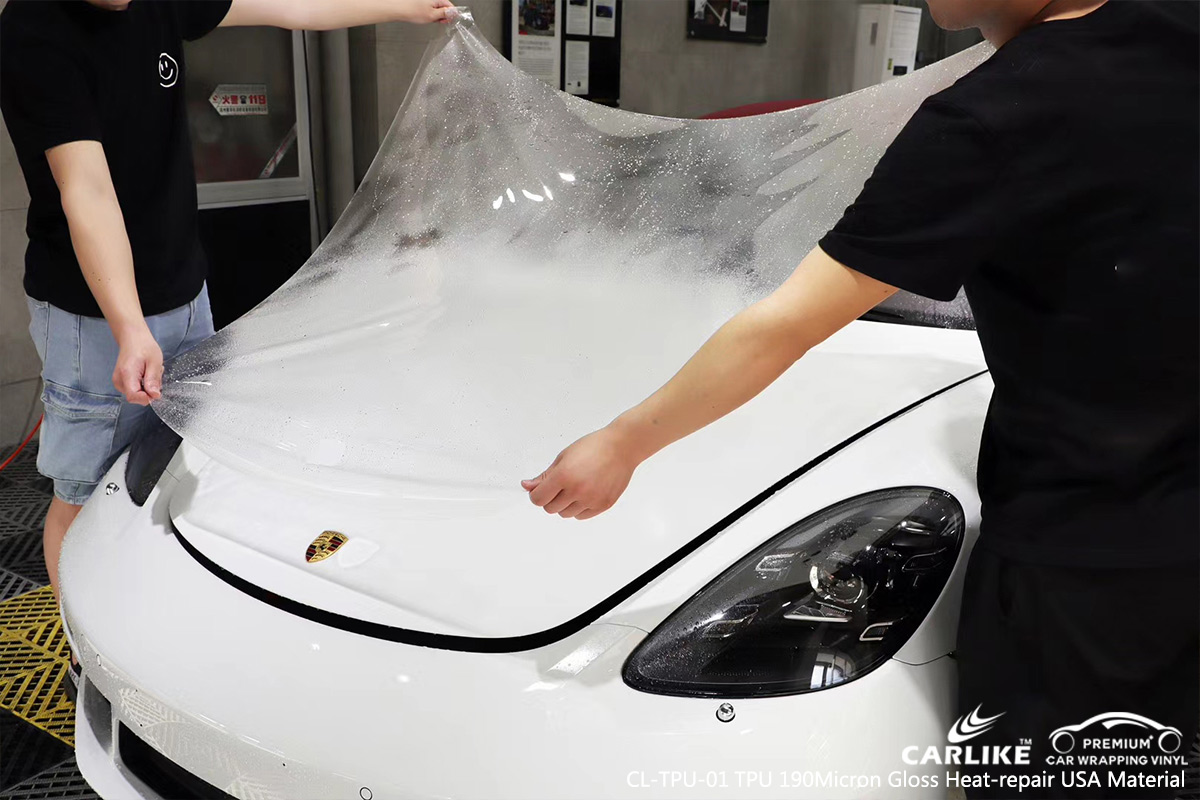
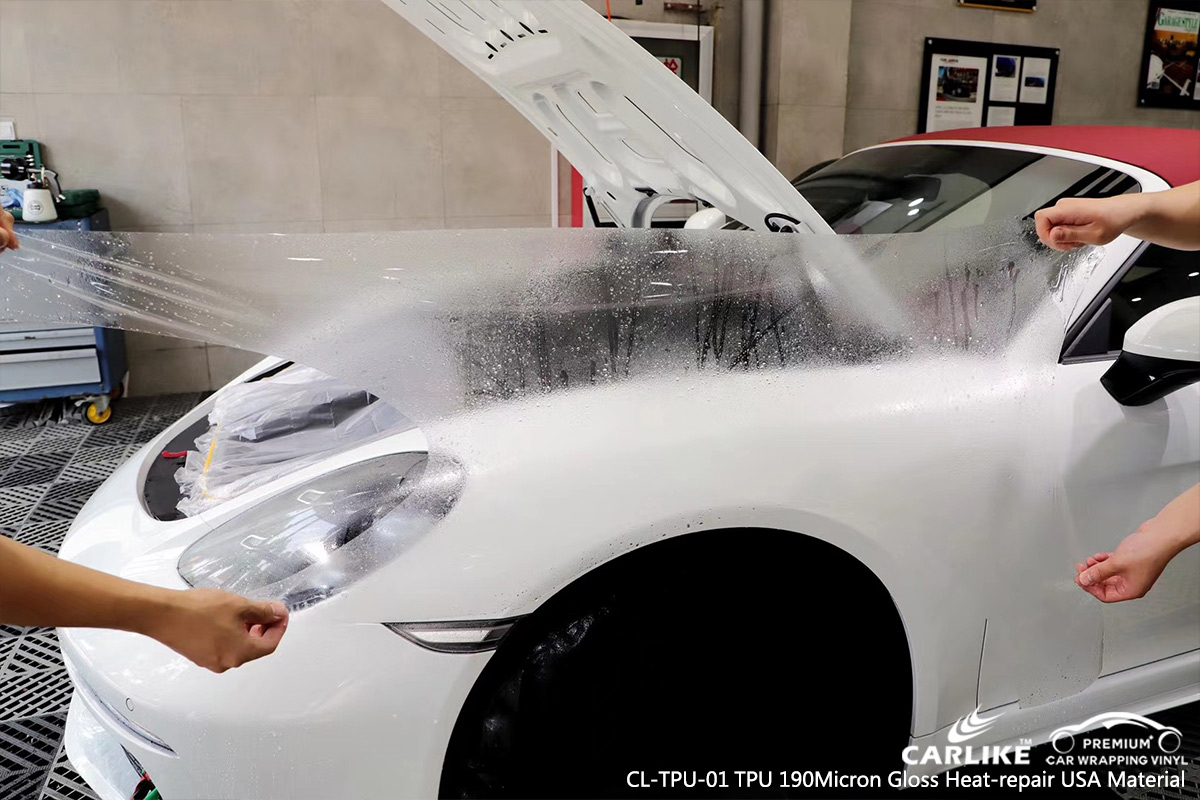
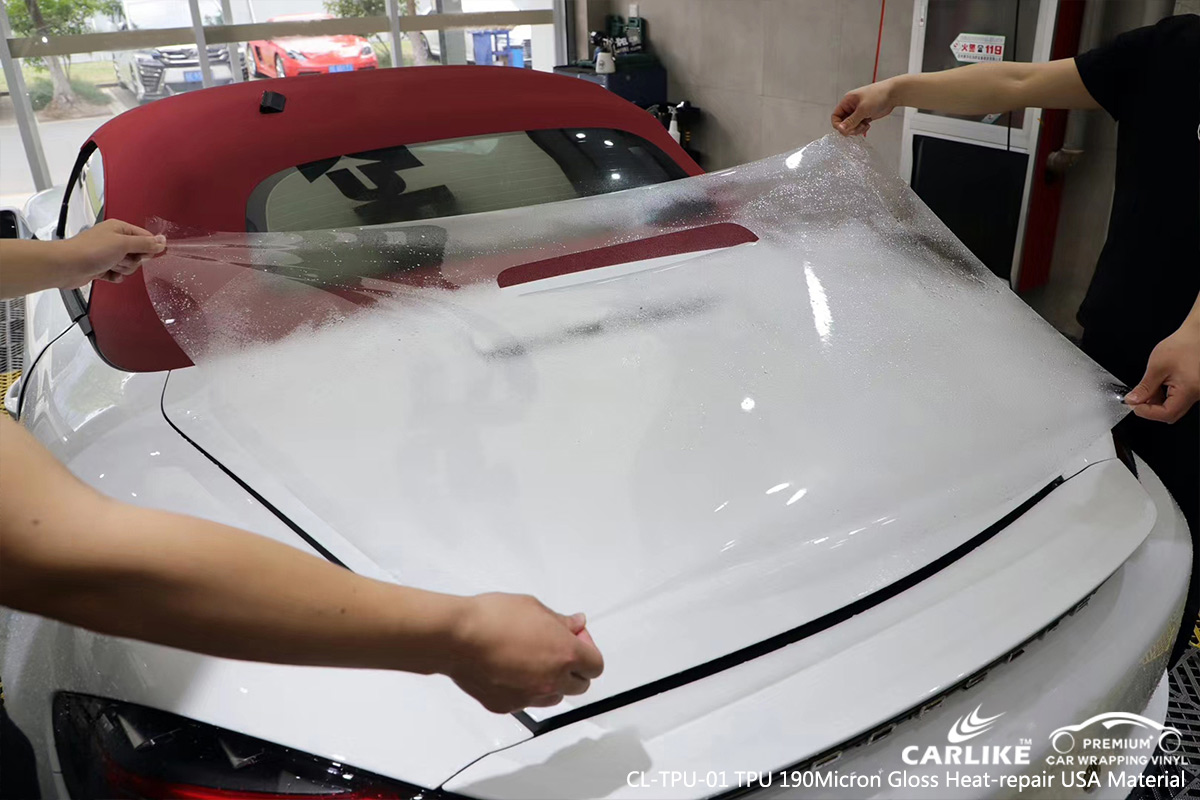
  • Soak the Film: Spray a light mist of soapy water on the adhesive side of the film. This helps with repositioning and prevents the film from sticking prematurely.

5. Apply the Film

  • Position the Film: Carefully place the film over the intended area. Use the soapy water solution to help position and adjust the film.
  • Smooth Out Bubbles: Use a squeegee to push out any bubbles or wrinkles. Start from the center and work your way outwards.
  • Heat and Stretch: Use a heat gun or hairdryer to gently warm the film. This helps to stretch and conform the film to curves and edges. Be cautious not to overheat or damage the film.

6. Trim the Excess Film

  • Trim Edges: Once the film is properly positioned and smoothed out, use a utility knife to carefully trim the excess film along the edges.

7. Secure the Edges

  • Seal Edges: Use the squeegee to press down and secure the edges of the film to prevent peeling. Ensure all edges are well-adhered and smooth.

8. Final Touches

  • Inspect: Check for any remaining bubbles or wrinkles and use the heat gun to adjust if necessary.
  • Dry Time: Allow the film to cure and adhere properly. Follow the manufacturer’s recommendations for drying time.

9. Maintain the Film

  • Cleaning: Avoid washing the car for at least 48 hours to ensure the film adheres well. Afterward, wash the car with mild soap and water, avoiding harsh chemicals.

TPH PPF Paint Protection Film


Get Free Samples